
How To Clean a Mattress in 9 Steps + Tips To Keep It Fresh


How to deep clean a mattress at home:
- Remove and wash all bedding, then vacuum the mattress.
- Spot-clean spills and stains with a mild detergent or enzyme cleaner.
- Deodorize with baking soda, then vacuum again.
A mattress is a big investment, so you want to do everything you can to make it last. Over time, mattresses can collect dirt, dust mites, fur, or other allergens, so keeping them clean should be a top priority.
But you may be wondering how to clean your mattress. Cleaning your mattress is easier than you might realize, and involves just a few cleaning supplies and some elbow grease.

Extend the Lifespan of Your Mattress
The Purple Waterproof Mattress Protector protects your mattress from spills and stains, so it stays in great condition longer.
Read on for nine essential mattress cleaning tips that will keep your mattress fresh year round.
1. Remove and Wash Bedding
Before you get to the mattress, you’ll need to clean all the bedding. Remove all your bedding, including the pillow case, comforter, sheets, blankets, and mattress protectors. Toss them into the washing machine to remove any sweat, dirt, grime, or stains. Check the tags and follow their washing instructions.
You can usually wash your pillows in a washing machine or by hand, but you should check the tag’s instructions for specific guidelines for your pillow. Once you’ve cleaned your bedding and pillows, air-dry them or put them in the dryer on a low setting so they don’t develop mold or other bacteria.
Generally speaking, you should wash your sheets once a week, even when you’re not deep cleaning your mattress. Consider replacing your sheets every one to two years, especially if they look worn or have rips or tears.
2. Gather Cleaning Supplies
With the bedding out of the way, you can start gathering the different cleaning supplies you’ll need for the mattress itself. When deciding what to clean a mattress with, consider its type and condition. Different types of mattresses (and different stains) may require different cleaners.
For example, using a carpet cleaner to remove mattress dirt and grime can help clean an innerspring mattress, but could overly saturate a memory foam mattress.
Other homemade mattress cleaner options include:
- Laundry detergent
- Baking soda
- Cleaning cloth
- Enzyme cleaners or dish soap
- Hydrogen peroxide and water
- Mild detergent and water
Make sure there is plenty of ventilation for the mattress to dry once you’re done cleaning.
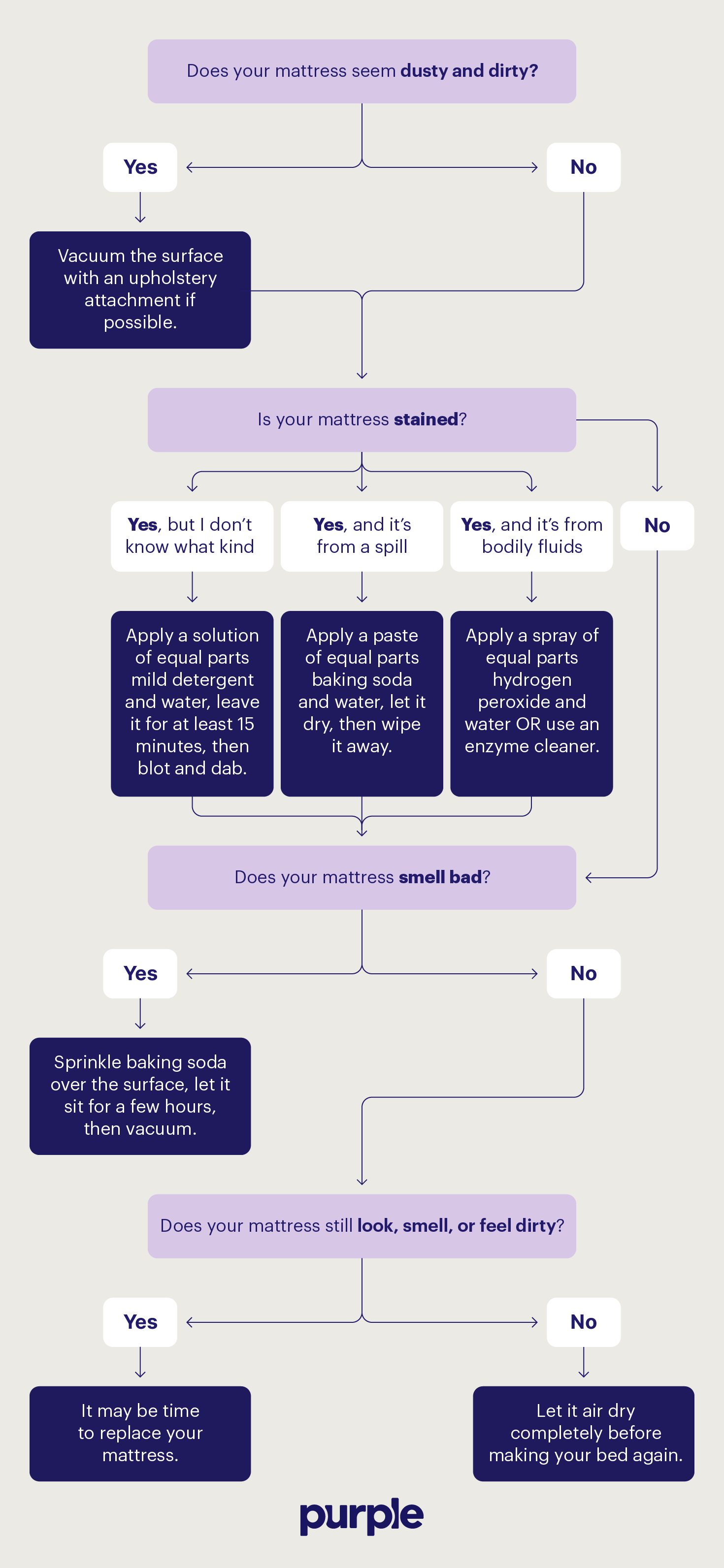
The following flowchart can help you decide how to wash a mattress:
3. Vacuum the Surface
While washing your bedding, you can start vacuuming your mattress. Using your upholstery attachment, vacuum your mattress thoroughly. Vacuuming your mattress will help eliminate most dirt, dust, hair, and dander.
Vacuuming is essential before using water and cleaning solutions because it will help remove any dirt or grime that could be set in place with water. This step is especially important if you’ve been storing your mattress in a dusty environment.
Here’s how to vacuum a mattress:
- Use the upholstery attachment.
- Vacuum over the entire exposed surface of the mattress.
- Go over the side you sleep on several times to remove any and all hair, dirt, and other debris.
- Vacuum the edges as well.
How To Steam Clean a Mattress
After vacuuming, you can steam clean your innerspring or hybrid mattress, but you should not steam clean a memory foam, latex, or adjustable mattress since the heat and water could damage its materials.
Note that you should not steam clean a Purple mattress. If you have any doubts, refer to the manufacturer’s care instructions and your warranty.
Set the steam cleaner to 250 degrees Fahrenheit to kill dust mites and other bacteria. Move the steam cleaner across the mattress without leaving it in one spot for too long, then let the mattress completely dry before you put any bedding back on.
4. Spot-Clean Stains and Discoloration
After you’ve vacuumed the mattress, it’s time to spot clean. What you use to spot clean will depend on the type of stains you’re dealing with.
For example, a vinegar and water mixture should work for general stains from dirt and grime. Urine, vomit, or sweat stains may require an enzyme cleaner or hydrogen peroxide. Hydrogen peroxide can also help remove blood stains. Regardless of the type of stain you’re dealing with, the steps for how to clean a mattress with vinegar, enzyme cleaners, and other spot cleaners are the same.
Here’s how to clean a mattress with baking soda and hydrogen peroxide or other spot-cleaning solutions:
- Apply a small amount of your chosen cleaning solution to a rag. Then gently clean the stain with the rag.
- Let the solution sit for a few minutes, then gently pat the area dry with a clean cloth.
- Add cold water to another clean rag and pat the treated area.
- Repeat steps 1-3 if the stain is still present.
5. Deodorize With Baking Soda
After letting the spot-cleaned areas dry, the next step in how to clean and deodorize a mattress is to sprinkle baking soda over the entire mattress. As a natural deodorizer, baking soda can remove any lingering smells. For best results, let it sit for several hours.
After letting the baking soda sit, you’ll again use your vacuum with the upholstery attachment to remove the baking soda from the mattress. Go over the seams and corners several times to vacuum everything up.
6. Air Out and Dry
Now that you’ve vacuumed, spot-treated, and deodorized your mattress, it is time to let it air dry. This is an extremely important step in the cleaning process. Airing out your mattress will allow it to dry properly and help get rid of any leftover odors. Open your bedroom window or use a fan for extra ventilation, or move your mattress to a spot with natural light.
We advise against placing your Purple mattress in direct sunlight as damage from the sun is excluded from warranty coverage.
Always make sure your mattress is properly dry before replacing the bedding. If you try to put bedding on while your mattress is still damp, it could prevent your mattress from drying completely and create mold and mildew growth. This could cause stains, unpleasant odors, and even damage your mattress.
7. Flip or Rotate Your Mattress
Most modern-day mattresses (including Purple mattresses) should not be flipped. Purple mattresses are designed with the patented GelFlex Grid® technology, which requires the mattress to stay upright.
However, most mattresses will still benefit from regular rotation. Rotating your mattress every three to four months helps your mattress maintain its support structure and avoids too much wear in one specific area.
8. Protect Your Mattress
If you want to save time cleaning your mattress, investing in a removable waterproof mattress protector is a great option. Mattress protectors go between the mattress and sheets to keep dirt and other stains off your mattress. Although we still recommend cleaning your mattress every few months, using a mattress protector will help make the process easier by preventing most stains and requiring less vacuuming.
You can typically wash mattress protectors in the washing machine, just like the rest of your bedding. For tough stains like sweat or urine, you can spot clean with the same cleaners you use for the mattress itself.
9. Maintain a Regular Cleaning Schedule
Setting a regular mattress cleaning schedule is just as important as knowing how to clean a mattress. Generally speaking, you should go through the mattress cleaning process every six months to keep it fresh. If a spill or other mess occurs between cleanings, spot clean the affected area as soon as possible.
Keep in mind that as mattresses get older, they can become harder to clean. Most mattresses last seven to 10 years, but if you can’t get rid of unpleasant smells or your mattress is making your allergies worse, it may be time to replace it.

How To Clean a Memory Foam Mattress
Cleaning a memory foam mattress requires a few extra considerations. Memory foam is a denser material that can absorb liquid and be harder to dry. Because of this, it is best to only lightly spray areas that need to be spot cleaned with a water/vinegar mix. Avoid using a steam cleaner, which can soak the memory foam.
While you shouldn’t get a memory foam mattress wet, you can still vacuum and use baking soda to deodorize just like any other mattress.
How To Clean A Purple Mattress
If you need to replace your old mattress with a quality option that provides essential support, pressure relief, and airflow, Purple mattresses are a great option. Best of all, Purple mattress cleaning isn’t any more difficult than cleaning a standard mattress.
Here’s how to clean your Purple mattress:
- Remove and wash all bedding, including your mattress protector.
- Spot-clean spills, stains, and other messes with a mild detergent, upholstery cleaner, or enzyme cleaner.
- Allow the mattress to fully dry.
- Make your bed with clean bedding.
Is the Purple Mattress Cover Washable?
While your Purple mattress cover has a zipper, it is not meant to be unzipped and removed. The cover has an incredible amount of spandex so you get the full benefits of the Purple mattress. If you remove the cover and put it through the washer and dryer, the mattress cover will shrink, voiding our return and warranty policies.
The instructions for how to clean Purple mattress cover are simple: spot clean stains with a mild detergent and use baking soda to deodorize. A mattress protector can also help keep the cover in good shape.
Invest in the Quality of Your Sleep With Purple
When you know how to clean a mattress properly, you can help it last longer and enjoy higher-quality sleep. If cleaning your current mattress doesn’t improve its look and feel, it may be time to invest in a new one.
When it does come time to get a new mattress, Purple has the perfect fit for you. Check out the Purple difference for yourself and start enjoying the rest you deserve.

Get Your Best Sleep Ever
The GelFlex Grid® in every Purple mattress instantly adapts to your body, providing pressure relief and support where you need it most.
FAQ
Cleaning a mattress usually involves vacuuming dust and hair, and then spot cleaning to get rid of any stains. Common mattress cleaning supplies include:
- Vacuum with upholstery attachment
- Baking soda
- Mild dish soap
- Enzyme cleaner
- Vinegar/water mixture
- Hydrogen peroxide/water mixture
If you’re wondering how to wash a mattress properly, start by removing and washing the bedding. Next, vacuum the mattress to remove dirt and grime. Spot clean any stains, then apply baking soda to deodorize the mattress. Vacuum again to remove the baking soda, and let the mattress dry completely.
Baking soda helps clean a mattress by absorbing moisture and eliminating odors. For best results, spread it on the entire surface of the mattress and let it sit for several hours before vacuuming it up.
Memory foam mattresses can absorb a lot of moisture. Avoid steam cleaning a memory foam mattress, as this can leave it waterlogged. You should also avoid cleaning supplies like shampoo, undiluted hydrogen peroxide, bleach, ammonia, and solvent-based cleaners, which can damage the foam.
Professional mattress cleaning may be worth the cost when DIY methods aren’t enough to get rid of persistent odors, stains, dust mites, or mold and mildew. In some cases, however, you may be better off just getting a new mattress.
More To Explore
Level up your sleep routine with our most-loved products.
-
100% washable

Purple Waterproof Mattress Protector
From Is dollars Is now dollarsShop Purple Waterproof Mattress ProtectorMaximum protection, maximum comfort
-
Bestselling quick ship
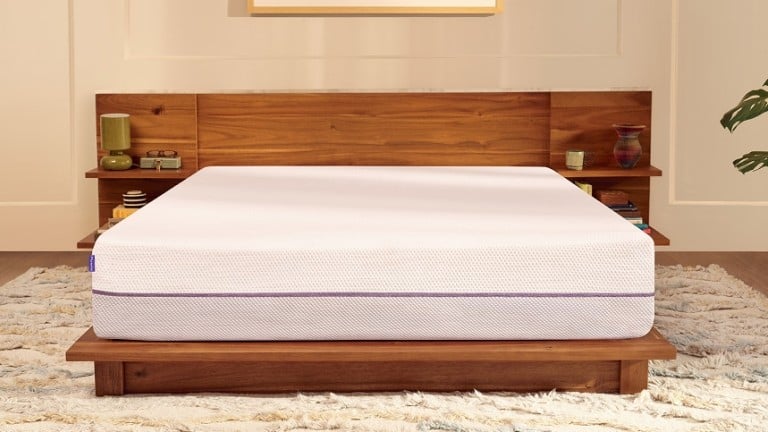
PurplePlus® Mattress
From Is dollars Is now dollarsShop PurplePlus® Mattress2" GelFlex Grid + Ultra Comfort layer for extra cushioning, pressure relief, and stability.
-
Super stretchySpecial offer
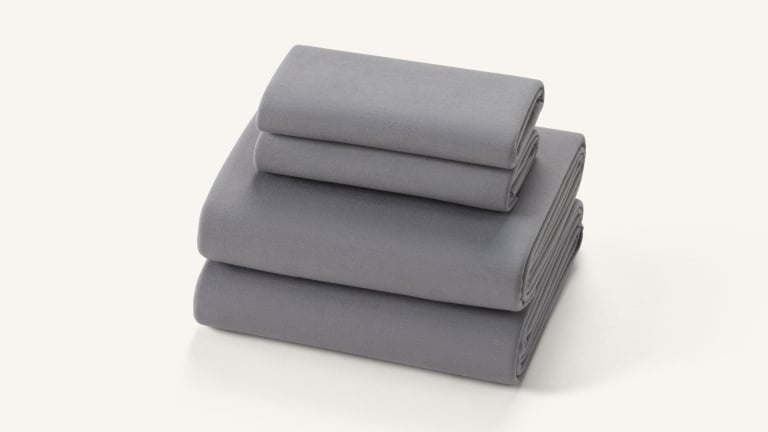
Purple SoftStretch® Sheet Set
From Is dollars Is now dollarsShop Purple SoftStretch® Sheet SetSmooth + stretchy to maximize GelFlex Grid benefits
About the authors

April has nearly a decade of writing experience, with 3+ years specializing in sleep content. Her work has been covered by sites like BuzzFeed, Entrepreneur, and Money Under 30. She has an M.A. in Magazine, Newspaper, and Online Journalism from Syracuse University and a B.A. in Communication Studies. As a self-proclaimed expert in all things cozy, she sleeps better at night, knowing her writing helps others sleep in comfort, too.

Tyler Wright is a Senior Product Manager of mattresses. With over 10 years of experience in product development, he is dedicated to developing innovative products that enhance and improve lives. At Purple that means building products that help people get the best sleep ever.


-
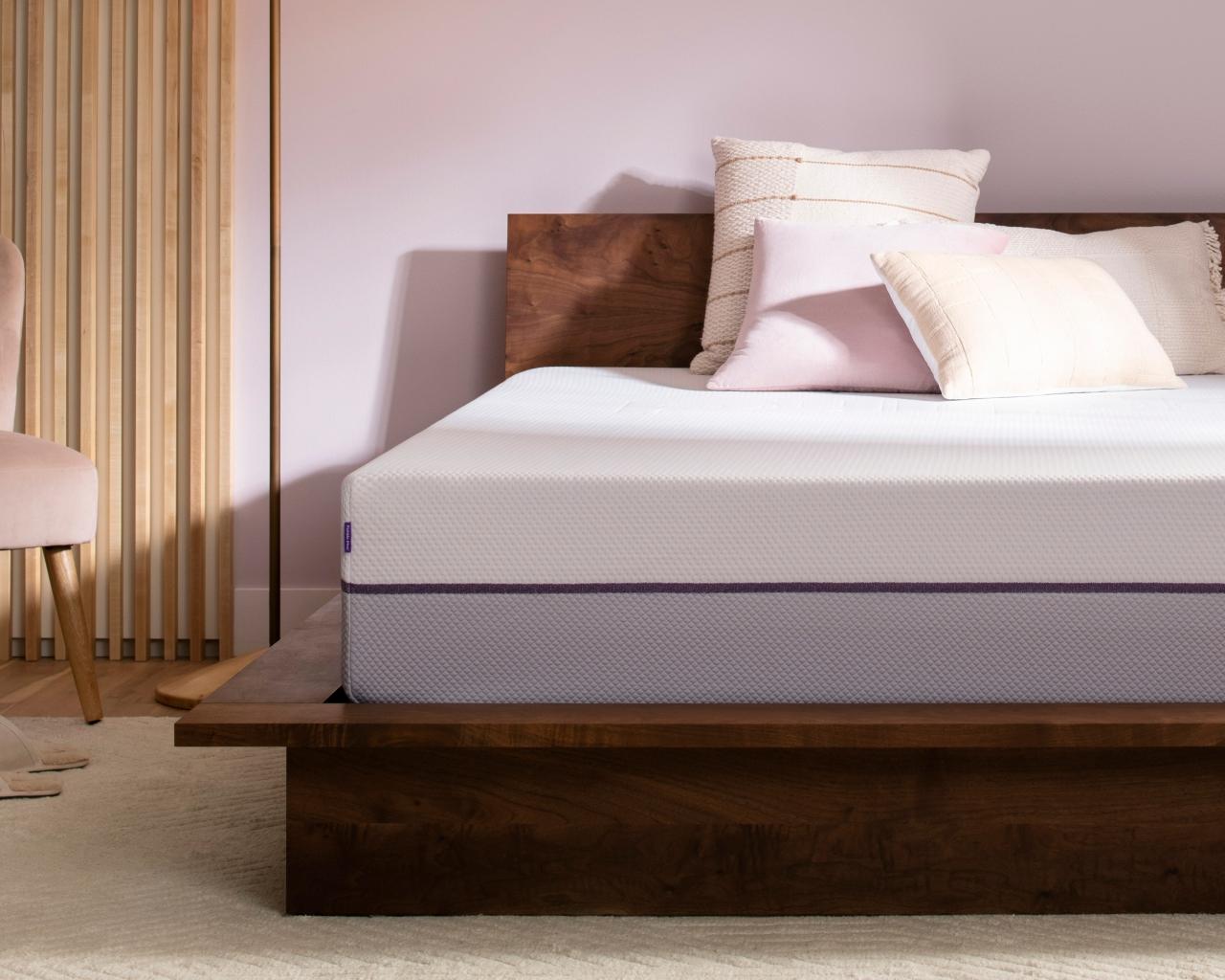 Purple Essential CollectionExperience the instantly adaptive GelFlex® Grid — at our best price.
Cradling comfort from the Purple GelFlex Grid
Easy, fast delivery
-
 Restore Hybrid CollectionStep up with a hybrid construction for enhanced pressure relief, support + up to 4x more cooling.*
GelFlex Grid + comfort layers for enhanced pressure relief
Maximum cooling — up to 4X cooler2 than competitors
Coil System provides responsive support
-
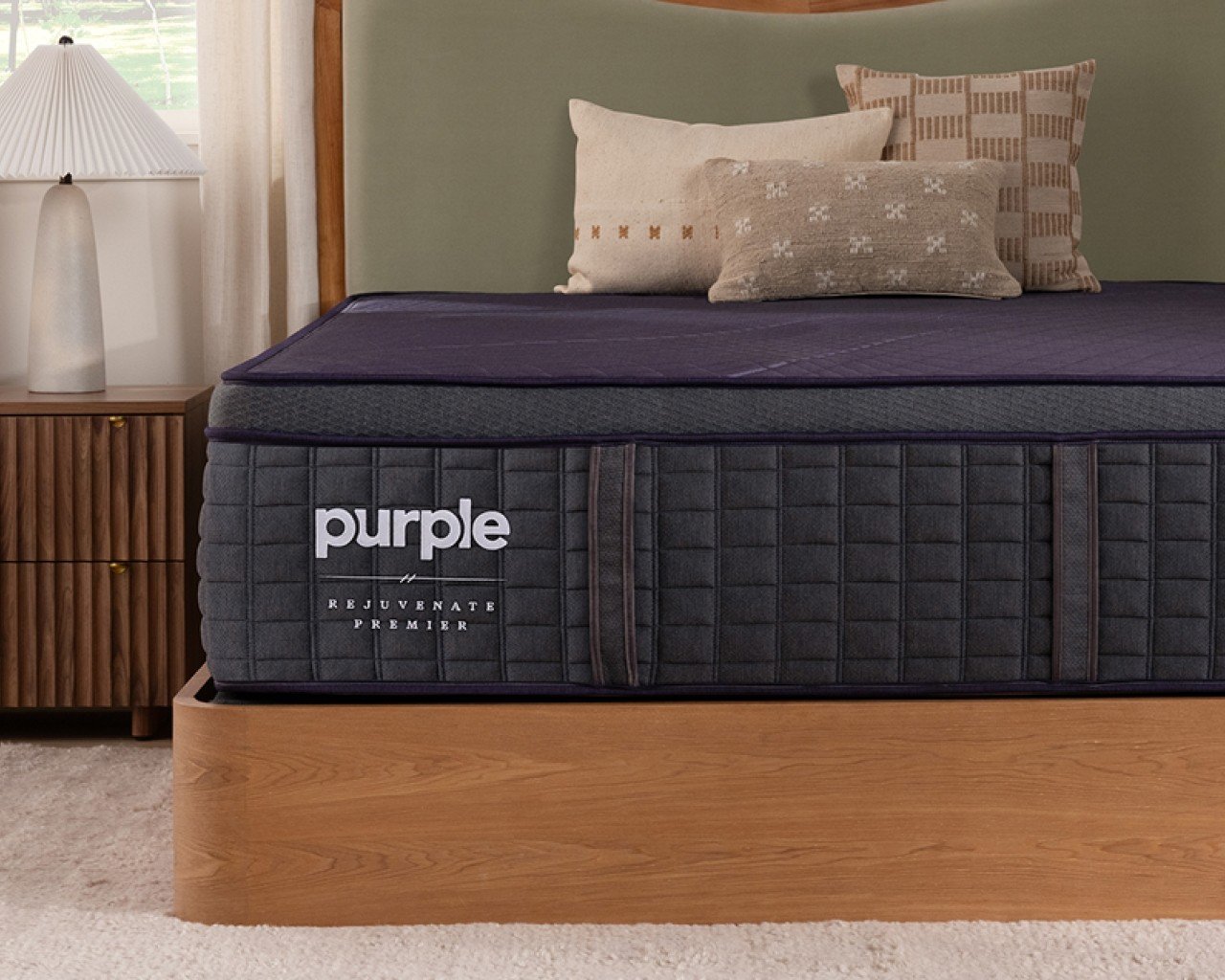 Rejuvenate Luxe CollectionQuilted Euro Top, enhanced comfort layers + hybrid construction offer maximum support.
All-new DreamLayer™ for soothing surface comfort
Layered Grid offers exceptional, full-body pressure relief
Adaptive Response Foam unlocks the Grid’s full comfort potential
Responsive coils maximize mattress cooling, longevity + stability


