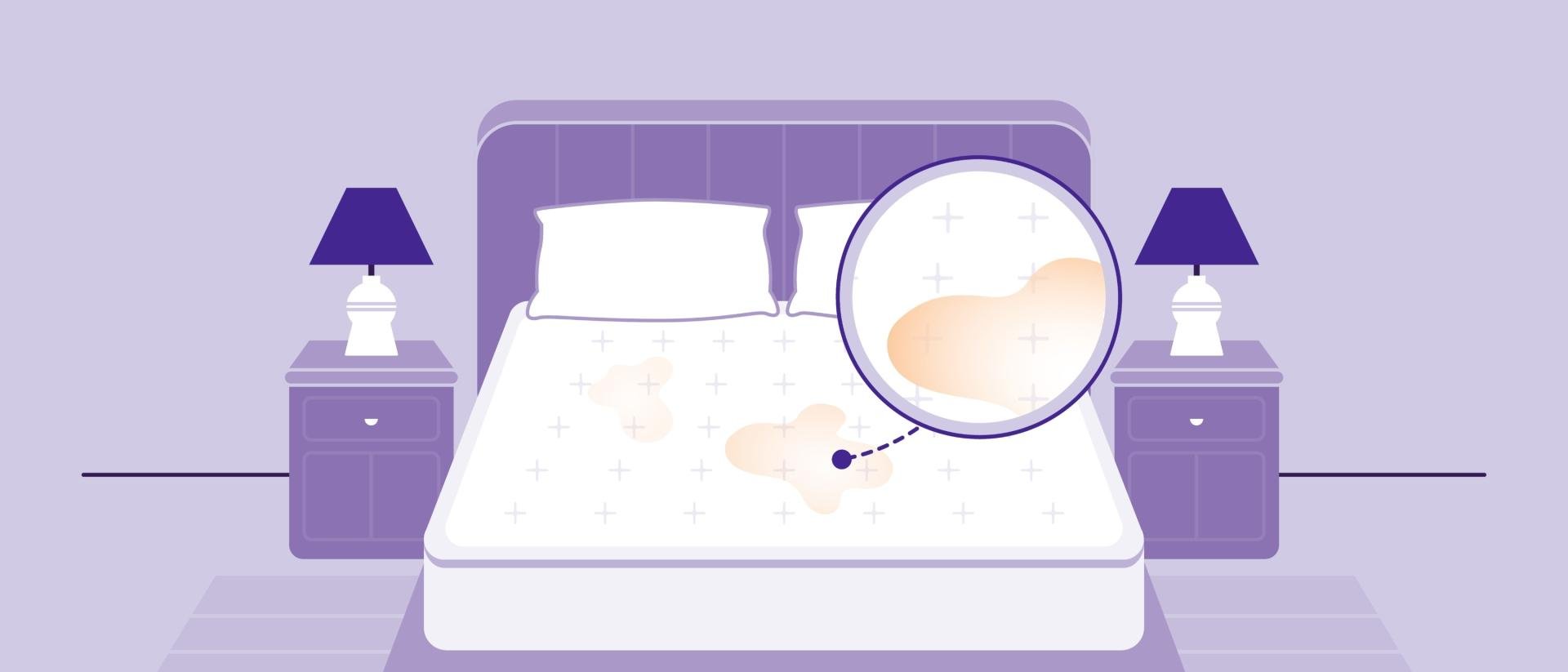
How To Get Yellow Stains Out of Mattress + Top Causes


How to whiten a mattress
- Apply a paste made of baking soda, water, and either hydrogen peroxide or vinegar to mattress stains, allowing it to dry before blotting or wiping it off.
- For stubborn stains, you can use an enzyme cleaner or other cleaning product, following directions for safe application.
- If this process doesn’t remove yellow stains and you see additional discoloration or deformations, it may be time for an upgrade.
Have you seen yellow stains on your mattress? Unsightly and unhygienic, they’re more common than you think — especially if you’ve had a mattress for many years. Even the best mattresses get yellow stains over time if they aren’t protected and regularly cleaned.
Cleaning your mattress can be a labor-intensive process, especially if the surface is stained and discolored.
What causes yellow stains on a mattress, and how can you remove them? Read on to find out how to clean stubborn stains out and when it’s time to get a new mattress.
1. Remove Bedding and Vacuum
While the stains on your mattress may go deeper than the top layer, it’s important to start with a clear surface.
Remove and wash bedding, especially if your sheets are also stained, then vacuum the mattress to clear away dust and dirt. Doing so will give you a better idea of how severe the stains are and what you’ll need to do to remove them.
2. Apply a Stain Remover
Cleaning yellow stains from your mattress requires specific cleaning products to lighten the surface. You can try different combinations of ingredients depending on the age of the stain and your personal preferences.
Baking Soda
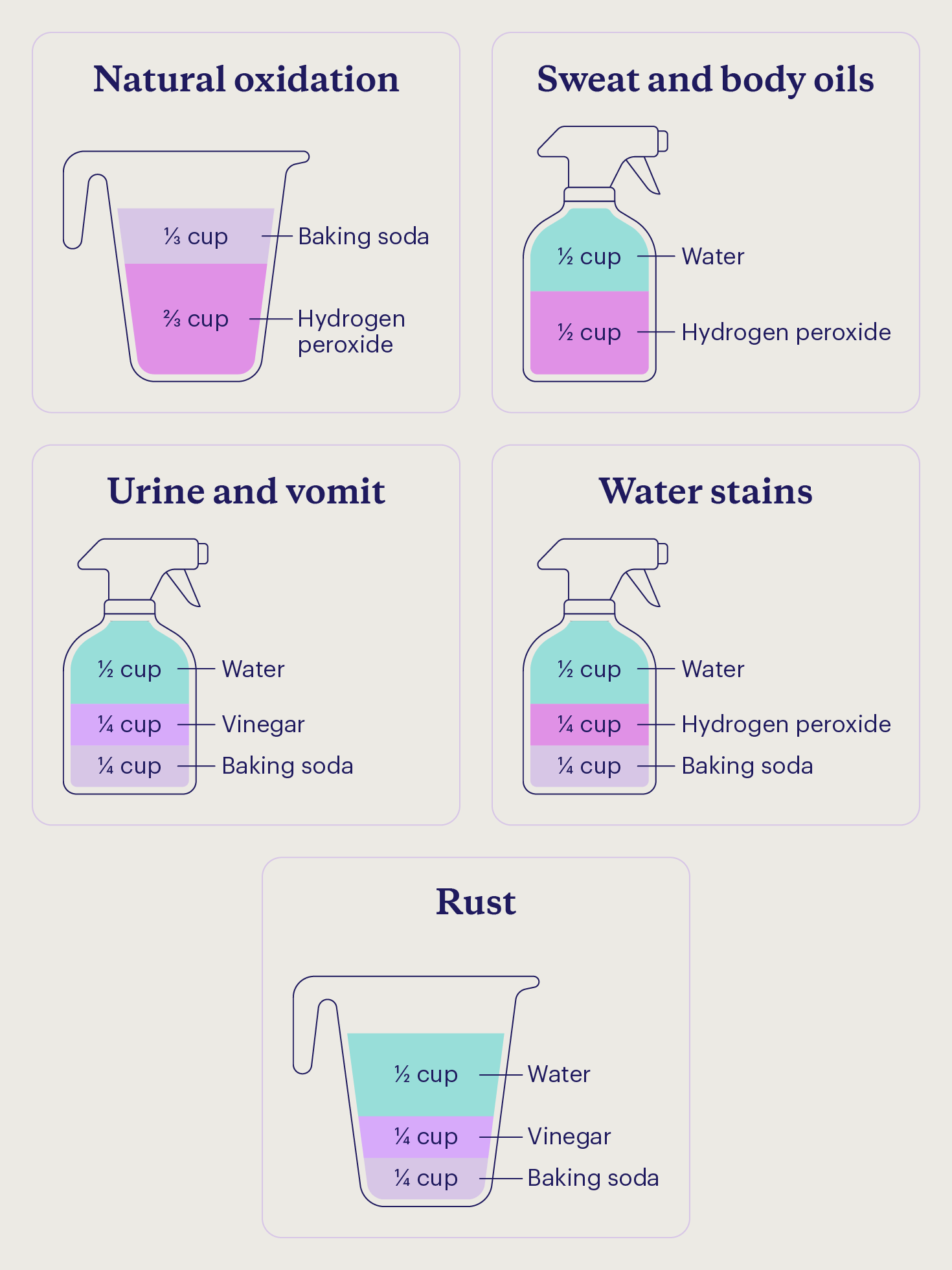
For light stains, make a paste with equal parts baking soda and water to whiten and deodorize your mattress. Spread the paste over the stains, and leave it on the surface for at least half an hour.
Hydrogen Peroxide
Mix equal parts baking soda and hydrogen peroxide for older or more stubborn stains to effectively remove them. You can also add a few drops of dish soap, though this is optional. Before applying this paste to your entire mattress, spot-test it to ensure you don’t damage the bed.
Vinegar
If you’re looking for a way to remove yellow stains without hydrogen peroxide, you can dilute equal parts vinegar with water to create a spray. After applying it, sprinkle baking soda over the mattress.
In most cases, a diluted vinegar solution won’t smell too strongly, but if you’re concerned about the scent, you can add in dish soap or essential oils. Be sure to spot-test the mixture before spreading it on larger stains.
Enzyme Cleaners
Deep-set, smelly stains may require a heavy-duty cleaning solution. You can purchase an enzyme cleaner for urine stains as well as other bodily fluids to more effectively lift the stain. When using these products, follow instructions carefully to ensure results.
3. Blot the Mixture
Blot the paste and dab off any excess moisture with a clean, dry cloth. Avoid rubbing the cleaning product into the stain, as this can damage the mattress or even spread the stain.
4. Allow the Mattress To Dry
Leave the baking soda mixture on your mattress for at least 15 to 30 minutes. You can also sprinkle additional baking soda over the surface of your mattress to absorb excess moisture and freshen up the surface.
5. Remove Cleaning Products
Remove any loose baking soda with a vacuum cleaner. Then, wipe away the dried paste with a clean, damp cloth.
6. Repeat the Process for Stubborn Stains
If your mattress is still discolored, don’t scrub the surface. Instead, follow the above steps again using your cleaning solution of choice.
7. Air Dry Completely Before Making the Bed
Once you’re satisfied with how your mattress looks, let the surface dry completely. Depending on how damp your mattress is, this can take up to 24 hours. You can accelerate the process by keeping your windows open and using a fan to circulate air around the mattress. Then, you can make your bed.
It’s best to use a mattress protector (especially one that’s waterproof) under fresh sheets to prevent future stains. Be sure to wash your mattress protector regularly to keep it fresh.
Why Is My Mattress Yellow?
The yellow stains on your mattress may be caused by several things. Oxidation from old age is the usual suspect and will eventually happen to any mattress, but there may be another culprit behind those unsightly stains.
The most common causes of yellow stains on a mattress include:
- Natural oxidation: As your mattress gets older, it starts to decay. The main reason for this decay is oxidation, which is caused by exposure to the oxygen in the air. This gradually gives your aging mattress a yellowish tinge.
- Sweat and body oils: Everyone sweats and has natural body oils, and over time, they can stain your mattress. Accumulated sweat also allows bacteria to grow, causing unpleasant odors and discoloration.
- Urine: Human and pet urine can cause smelly yellow stains on your sheets and mattress. Clean fresh urine immediately to prevent it from staining. Once dried, it’s very difficult to remove stains and odors.
- Vomit: As with urine, vomit from humans and pets can cause smelly yellow stains. Clear away as much as you can before dabbing the moisture and disinfecting it with rubbing alcohol.
- Water stains: Light yellow-beige stains may form if you spill water on your mattress and let it sit. These stains don’t smell, but they can eventually lead to mold and create more yellow stains.
- Rust: Water and sweat may reach the coils of your spring or hybrid mattress, causing the springs to rust. Rust stains are darker than other stains, with an orange tinge and a metallic smell.
How To Prevent Yellow Stains on Your Mattress
If you want to keep your mattress clean and prevent yellow stains from forming, here are some simple tips you can follow.
- Regularly wash your sheets and pillowcases: Your bedding can trap body oils that seep into your mattress and cause yellow stains, so wash your pillows, pillowcases, and sheets regularly.
- Avoid eating and drinking on your bed: Breakfast in bed sounds cozy, but you run the risk of spilling things on your mattress.
- Avoid letting your pet sleep on your mattress: If you sleep next to your fur baby, there’s a chance they’ll have a little accident and pee on your bed. Their urine causes yellow stains, so keep your pet on a separate pet bed in your room instead.
- Keep your mattress out of the sun: You can slow down oxidation by keeping your mattress away from moisture and out of direct sunlight. If you air your mattress out to get rid of dust mites or freshen it up, do this in a warm, shaded area.
- Clean up all accidental spills immediately: This prevents them from seeping into your mattress and forming yellow stains.
- Use a mattress protector: Mattress protectors provide a barrier against liquids, mites, and debris. These protectors are removable, and some are even waterproof — the perfect defense against spills.
Purple has a five-sided dual layer defense mattress protector that does its job without taking away from the comfort of your mattress. The protector is also stain resistant and machine washable.

Protect Your Mattress
The Purple Waterproof Mattress Protector protects your mattress from water, dust mites, and dander to enhance your comfort and sleep quality.
Don’t Settle for a Stained Mattress
While you can get some yellow stains out of your mattress, others are there to stay. Yellow stains caused by oxidation are natural and won’t harm you, but staining caused by other factors like mold and mildew can lead to serious health problems.
If your mattress stains won’t budge, or you’ve had the same mattress for several years, it may be time to replace your old mattress.
Purple offers different mattresses to fit your needs. Purple mattresses feature the GelFlex Grid®, also known as a Gel Matrix™, which provides comfort without sacrificing support.

The Ultimate Restorative Sleep
Every Purple mattress features the flexible GelFlex Grid®, which dissipates body heat, cradles pressure points, and supports spinal alignment.
FAQ
Yes, you can remove old stains. While it’s best to clean spills and other messes as quickly as possible, you can use different cleaning products like enzyme cleaners, baking soda paste, and hydrogen peroxide solutions to lighten stains.
In most cases, sleeping on a stained mattress won’t have a negative impact on your health. Yellow stains often form naturally over time, but if your mattress is starting to smell strange or has several patchy stains, it may be bad for your health to sleep on it.
If you’re experiencing allergic reactions like sneezing, coughing, or itching while sleeping, this is a strong indicator that your stained mattress is the culprit. Mold could be growing on those stains and settling into your mattress. There could also be dust mites thriving on the sweat or bacteria in your mattress.
Both of these things can trigger mild to severe allergic reactions, lung inflammation, and asthma attacks.1,2 If your mattress has stubborn stains and your allergies won’t go away, your mattress isn’t safe to sleep on anymore.
Yes, a hydrogen peroxide solution or paste can remove yellow stains from a mattress, but it can also cause discoloration if it isn’t diluted enough or if left on the mattress for too long.
You can blot the hydrogen peroxide mixture from your mattress almost immediately to prevent excess moisture from seeping into the bed, but you may want to leave it on the mattress for at least 15 to 30 minutes before removing it for best results.
More To Explore
Level up your sleep routine with our most-loved products.
-
100% washableOn sale

Purple Waterproof Mattress Protector
From Is dollars Is now dollarsShop Purple Waterproof Mattress ProtectorMaximum protection, maximum comfort
-
Bestselling quick shipOn sale
PurplePlus® Mattress
From Is dollars Is now dollarsShop PurplePlus® Mattress2" GelFlex Grid + Ultra Comfort layer for extra cushioning, pressure relief, and stability.
-
Super stretchyOn sale
Purple SoftStretch® Sheet Set
From Is dollars Is now dollarsShop Purple SoftStretch® Sheet SetSmooth + stretchy to maximize GelFlex Grid benefits
About the authors

April has nearly a decade of writing experience, with 3+ years specializing in sleep content. Her work has been covered by sites like BuzzFeed, Entrepreneur, and Money Under 30. She has an M.A. in Magazine, Newspaper, and Online Journalism from Syracuse University and a B.A. in Communication Studies. As a self-proclaimed expert in all things cozy, she sleeps better at night, knowing her writing helps others sleep in comfort, too.

Tyler Wright is a Senior Product Manager of mattresses. With over 10 years of experience in product development, he is dedicated to developing innovative products that enhance and improve lives. At Purple that means building products that help people get the best sleep ever.
Sources


-
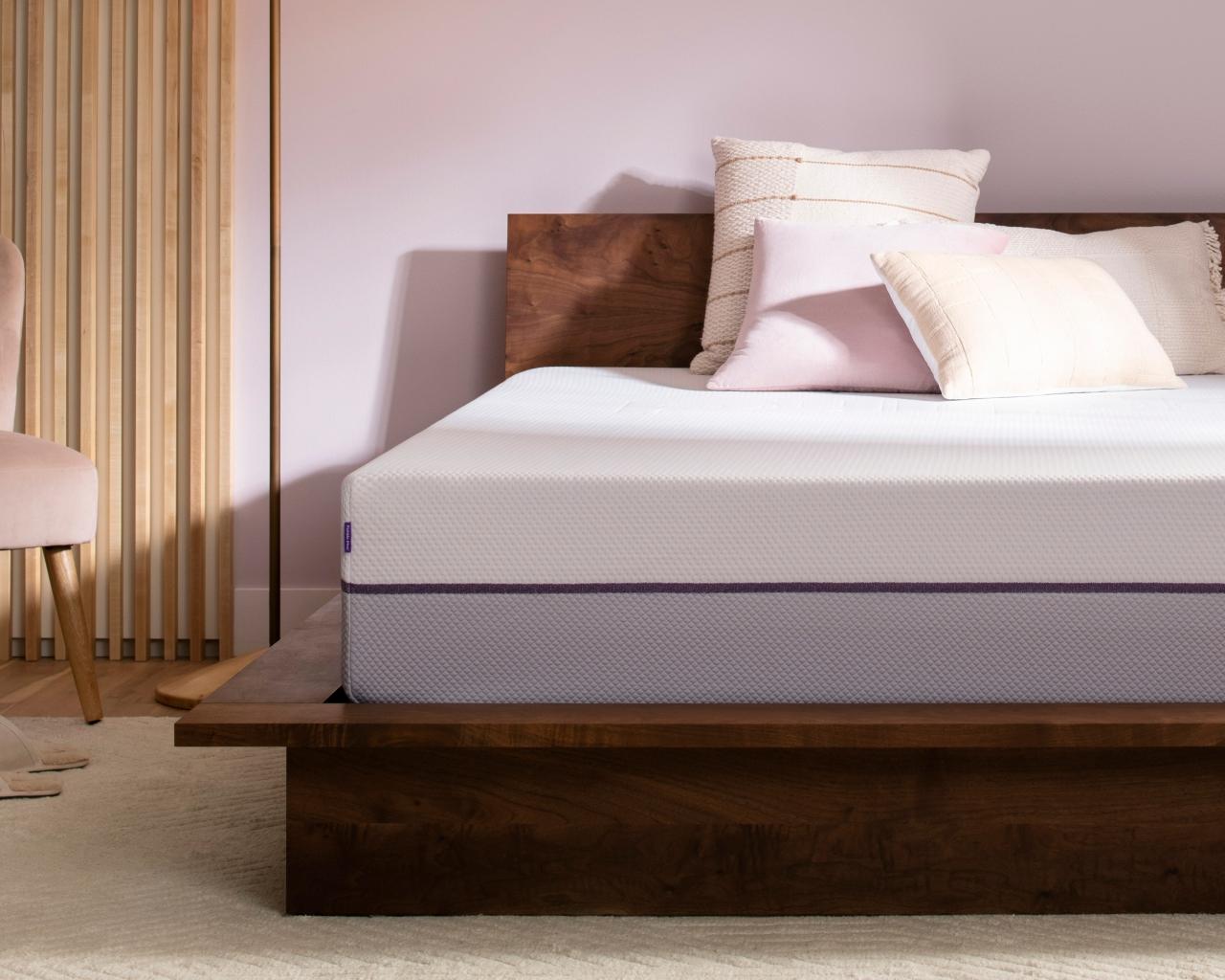 Purple Essential CollectionExperience the instantly adaptive GelFlex® Grid — at our best price.
Cradling comfort from the Purple GelFlex Grid
Easy, fast delivery
-
 Restore Hybrid CollectionStep up with a hybrid construction for enhanced pressure relief, support + up to 4x more cooling.*
GelFlex Grid + comfort layers for enhanced pressure relief
Maximum cooling — up to 4X cooler2 than competitors
Coil System provides responsive support
-
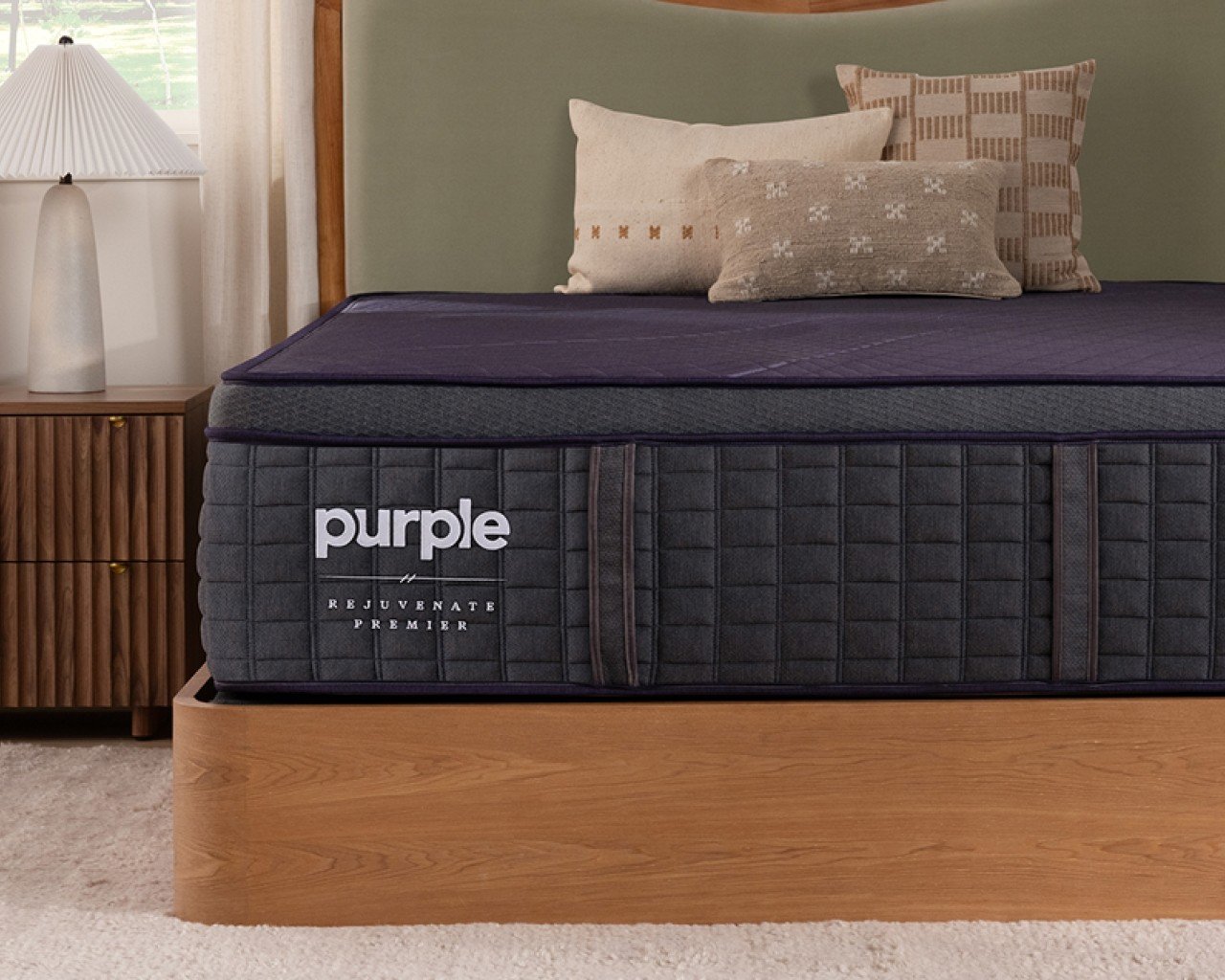 Rejuvenate Luxe CollectionQuilted Euro Top, enhanced comfort layers + hybrid construction offer maximum support.
All-new DreamLayer™ for soothing surface comfort
Layered Grid offers exceptional, full-body pressure relief
Adaptive Response Foam unlocks the Grid’s full comfort potential
Responsive coils maximize mattress cooling, longevity + stability


