
Panel Bed vs. Platform Bed: Key Differences and Pros + Cons


What is the difference between a panel and a platform bed?
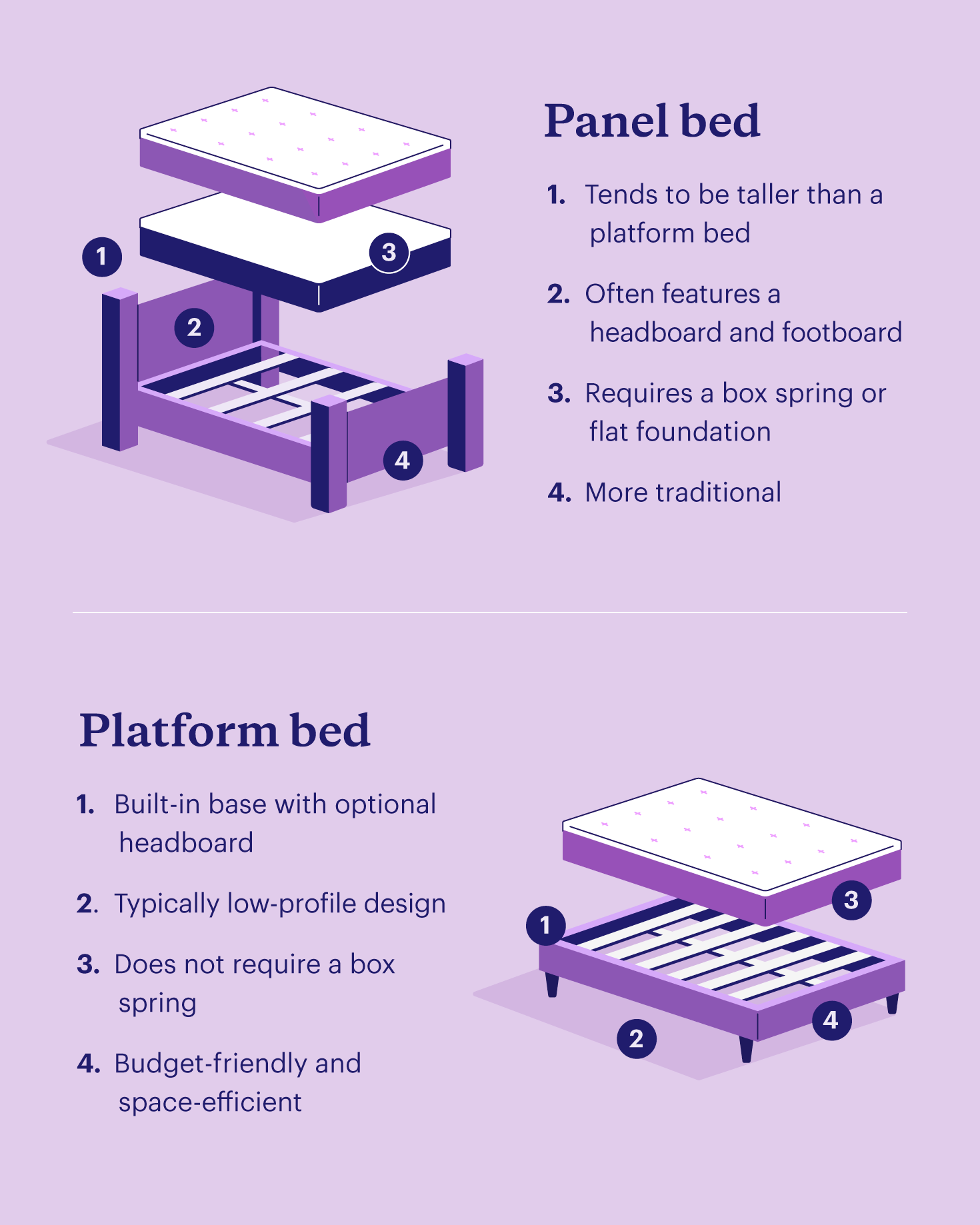
Platform beds feature a built-in support system, eliminating the need for a box spring and offering a modern, low-profile design. Panel beds require a box spring for mattress support and typically feature a traditional aesthetic with a headboard and footboard.
On average, Americans spend about a third of their lifetimes sleeping or trying to do so.1 That’s over 30 years in bed! As such, it’s important that you find a bed style that ticks all your boxes — and then some. But, with so many types of bed frames available, it can be difficult to make a decision.
Below, we’ll cover some age-old questions about bed frame shopping: What is the difference between a panel bed vs. a platform bed? And which one is better?

Sturdy, Quiet Support
Sound-dampening foam and a durable steel frame provide shake-free, silent support for your mattress.
What Is a Platform Bed?
A platform bed is a type of bed frame that offers direct mattress support. Constructed from materials like wood or metal, they feature a solid base or slats that are spaced closely together (usually no more than 2-3 inches apart). This close spacing provides ample, even support across the mattress, eliminating the need for a box spring, unlike panel beds. This design highlights a key difference between platform and panel bed types.
In terms of a platform bed vs. a box spring, platform beds come with a built-in foundation, while box springs must be used together with a bed frame. Think of it this way: platform beds double as both a base and a bed frame.
Pros and Cons of Platform Beds
Platform beds offer a stylish and practical sleep solution, but like anything, they come with their own pros and cons. Here’s what to consider:
Advantages | Considerations |
Modern, minimalist design | Lower profile |
No box spring required | Limited under-bed storage |
Sturdy support | Not compatible with innerspring mattresses |
Compatible with most modern mattresses | Requires removal of slats if pairing the frame with an adjustable base |
What Is a Panel Bed?
A panel bed is a type of bed frame that uses two to three wooden slats or metal rods (panels) to hold up a mattress and mattress foundation. It's crucial to understand what kind of bed foundation you need with a panel bed, as they can’t support a mattress on their own. They need a mattress box spring or foundation; otherwise, the mattress will eventually sag.
While some modern platform beds no longer come with side railings, footboards, and headboards, most traditional panel beds still do. So, if you like the look and feel of a “classic” bed, a panel bed is the best option for you.
Pros and Cons of Panel Beds
Panel beds offer a classic aesthetic and good support, but they also come with certain considerations.
Advantages | Considerations |
Classic aesthetic | Requires box spring/foundation |
Sturdy support | Increased height |
Variety of styles | Potential for squeaking |
Panel vs. Platform Bed: Key Differences
The main difference between a panel bed and a platform bed is simplicity. Since platform beds can support mattresses on their own, they’re far simpler to use. As mentioned, most platform beds also don’t come with a lot of the stylistic bells and whistles that most panel beds do.
Here’s a breakdown of the key differences to help you choose a bed frame that works for you.
Design
Panel beds typically feature a traditional bed style with a headboard, footboard, and side rails, offering a classic aesthetic. Platform beds are more minimalist, often lacking a footboard and focusing on clean lines and a low-profile silhouette. This design difference can dictate the overall feel of the bedroom.
Mattress Support
Platform beds are designed to directly support a mattress using a solid or slatted base, eliminating the need for a box spring. The best mattresses for platform beds are ones that benefit from this direct support and an even surface, namely foam and latex mattresses, providing an even surface. When considering platform beds, be sure you know the frame's mattress weight limit, as this will dictate the type and size of mattress it can safely hold.
Panel beds, requiring a box spring or foundation, offer a supportive base that can work well with a wider variety of mattress types, especially those designed for traditional support systems.
Height
Platform beds generally sit lower to the ground, contributing to their modern, streamlined look. Panel beds, when combined with a box spring, result in a higher bed height. This height difference can be a significant factor if you have mobility concerns or prefer a higher or lower sleeping surface.
Comfort
Platform beds, with their direct support, can enhance the feel of foam and latex mattresses and are firmer than panel beds. They also tend to be warmer since the base is typically one solid surface.
Panel beds can be more comfortable in warmer climates because the slatted base provides more airflow, keeping the mattress (and you) cooler at night. The panels on a panel bed also have some flex to them, resulting in a bouncier bed.
Floor Space
Platform beds typically occupy less floor space due to their minimalist design and lack of a box spring. Panel beds, with their larger frames and the addition of a box spring, require more room. This makes platform beds ideal for smaller bedrooms or those seeking a more open feel.
When deciding what size bed you should get, keep in mind that platform beds can also provide storage options in the form of pull-out drawers or cubbies.
Price
Platform beds can range in price from budget-friendly options to high-end designer models. Due to the added cost of a box spring or foundation, panel beds generally have a higher overall price point.
Platform vs. Panel Bed: Which One Is Right for You?
If you prefer a modern aesthetic and want to save space and money by skipping the box spring in favor of a more flat foundation, a platform bed is likely the better choice. They provide great support for foam and latex mattresses, and certain platform bed designs, especially those with solid bases, can reduce motion transfer in bed, which is a huge plus for couples.
If you prefer a classic, traditional look and appreciate the added height and support of a box spring, a panel bed is the way to go. When making your final decision, consider your bedroom's size, your mattress type, and your budget. Regardless of which bed frame you select, be sure it complements your mattress and provides the support and comfort you need for a good night's sleep.
The Right Frame of Mind
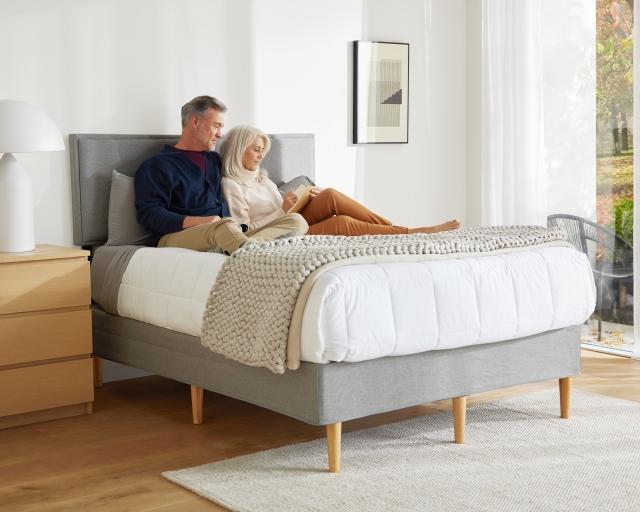
Purple offers a variety of sturdy bed frames to suit any type of mattress for less sagging and more deep sleeping.
FAQ
The key difference is that platform beds have a built-in support system (slats or a solid base), eliminating the need for a box spring. Traditional or "regular" beds, including panel beds, rely on a box spring for mattress support and height. This makes platform beds simpler to set up and often lower in profile.
Yes, you can use pretty much any type of mattress on a platform bed, be it a memory mattress, an innerspring mattress, a hybrid, a gel-infused foam mattress, a polyfoam mattress, or a latex mattress. As mentioned, you don’t need an additional mattress foundation or box spring to use a platform bed.
You can put a mattress on a panel bed, but not directly. Panel beds are designed to accommodate a box spring or mattress foundation that supports the mattress. The mattress will likely sag without a box spring and provide inadequate support.
Yes, depending on the type of foundation and adjustable base you have, platform beds can often accommodate an adjustable base. A zero clearance adjustable base pairs well with most bed frames, including platform beds, while non-zero clearance adjustable bases come with legs and require space between slats to rest on the floor.
Panel beds require a box spring or mattress foundation, while platform beds can support a mattress's weight without any additional support.
One disadvantage of a platform bed is its lower profile, making it challenging for people with mobility issues to get in and out of bed. Additionally, platform beds with solid bases can restrict under-bed storage options.
It's generally not recommended to try to turn a panel bed into a platform bed. Panel beds are designed to structurally rely on a box spring or foundation for support. Removing this support and placing a mattress directly on the panel bed frame can damage the mattress and cause inadequate support.
More To Explore
Level up your sleep routine with our most-loved products.
-

Purple Flat Foundation
From Is dollars Is now dollarsShop Purple Flat FoundationThe box spring, reinvented — durable with effortless assembly
-

Purple Upholstered Platform
From Is dollars Is now dollarsShop Purple Upholstered PlatformStrong + durable with a versatile design
-

Purple Metal Platform
From Is dollars Is now dollarsShop Purple Metal PlatformSturdy support with a low-profile, sleek aesthetic
About the authors

Cecilia brings over five years of writing experience primarily centered around lifestyle and health topics. She has a Bachelor’s degree in Media and Journalism from the University of South Dakota. She’s both an advocate for sleep and a night owl at heart.

Brooke Reynolds is a Senior product manager of bases and smart comfort at Purple. She's passionate about designing bases specifically to support Purple mattresses and educating customers on how adjustable bases can improve sleep, provide targeted support and enhance your bedtime routine.
Sources
Related Articles


-
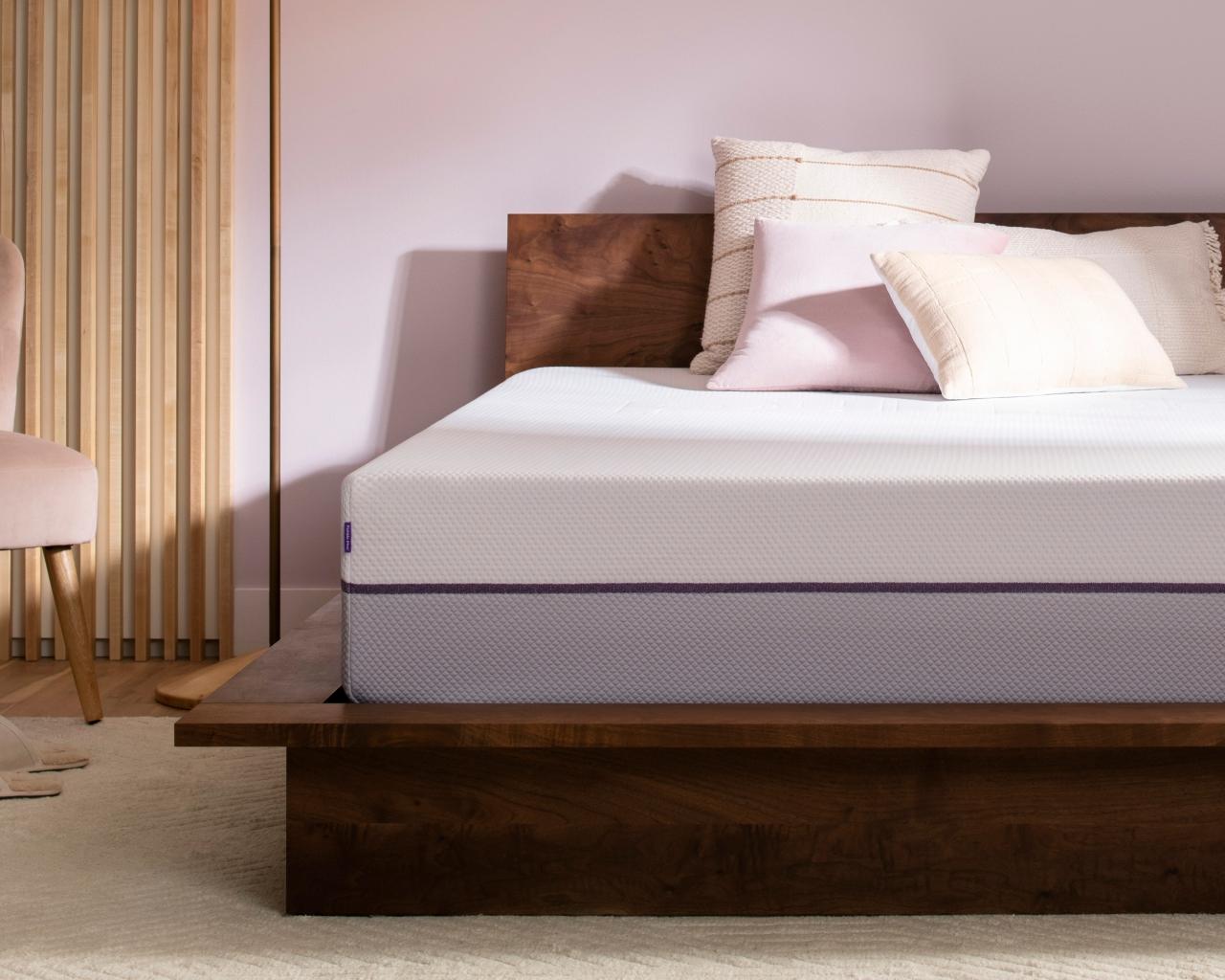 Purple Essential CollectionExperience the instantly adaptive GelFlex® Grid — at our best price.
Cradling comfort from the Purple GelFlex Grid
Easy, fast delivery
-
 Restore Hybrid CollectionStep up with a hybrid construction for enhanced pressure relief, support + up to 4x more cooling.*
GelFlex Grid + comfort layers for enhanced pressure relief
Maximum cooling — up to 4X cooler2 than competitors
Coil System provides responsive support
-
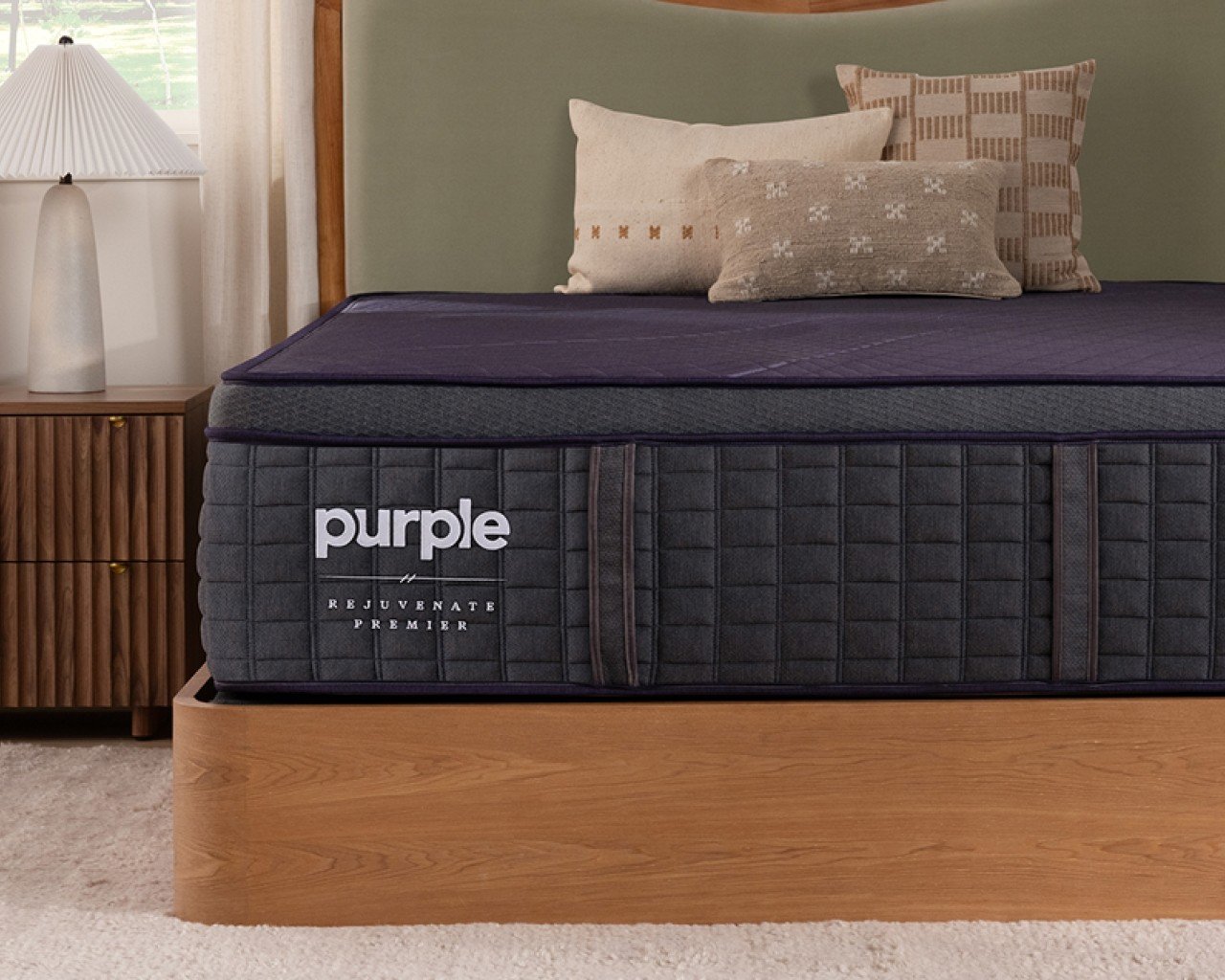 Rejuvenate Luxe CollectionQuilted Euro Top, enhanced comfort layers + hybrid construction offer maximum support.
All-new DreamLayer™ for soothing surface comfort
Layered Grid offers exceptional, full-body pressure relief
Adaptive Response Foam unlocks the Grid’s full comfort potential
Responsive coils maximize mattress cooling, longevity + stability


