How To Sleep With Neck Pain: Stiff Neck Remedies + Best Sleeping Positions


Key Takeaways
- The best position for neck pain is sleeping on your back or side.
- Use a pillow that supports your neck’s natural curves to address neck pain. A cervical pillow can offer even more support.
- Avoid sleeping on your stomach and using a pillow that is too soft, thick, or thin for your neck to prevent discomfort.
If you wake up with neck pain from sleeping, you’re probably not getting the quality rest you need. In some cases, severe neck pain can disrupt your sleep. Persistent, severe neck and shoulder pain has been associated with lower sleep quality.1 Figuring out how to sleep with neck pain is a must for getting a full night’s rest and not feeling stiff and sore during the day.
The good news is that there are plenty of easy tricks that can help you sleep more comfortably and wake up better rested. From picking the right pillow to knowing how to stretch, a few simple changes can go a long way.
The Perfect Place To Rest Your Head
Choose from different feels, features, and firmness levels to find the perfect pillow for your needs.
Read along to learn how to relieve neck pain from sleeping so you can wake up feeling refreshed with less discomfort and soreness.
1. Adjust Your Sleep Position
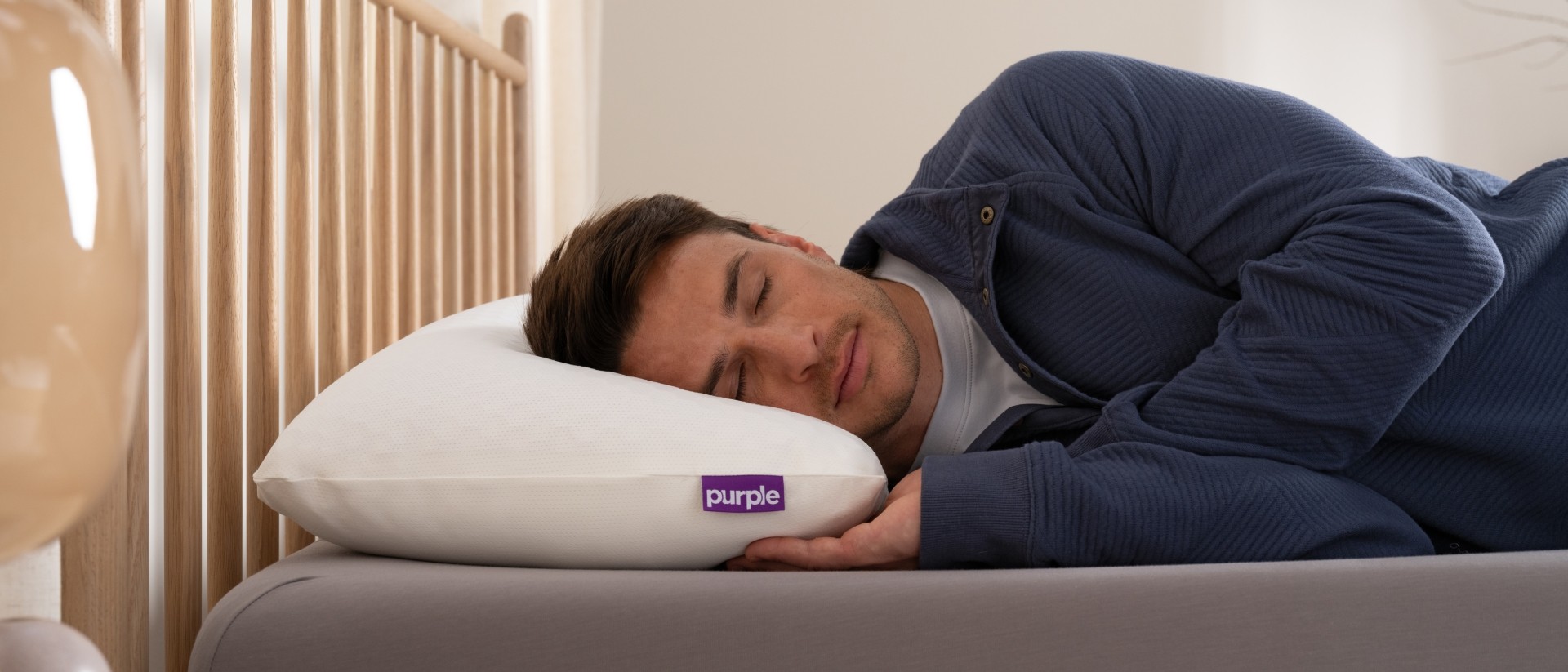
Your sleep position plays a major role in preventing and relieving neck pain. The best way to sleep with neck pain is generally on your back, but you can make yourself more comfortable no matter how you sleep.
- Sleeping on your back helps you maintain the natural curvature of your spine, keeping your neck in alignment and preventing stiffness.
- Sleeping on your side can work well for neck pain when you use a pillow that keeps your neck straight. Some people need extra support in this position.
- Sleeping on your stomach is the worst position for neck pain because it can twist your neck and misalign your spine.
If you’re traditionally a stomach sleeper, it may be worth trying to train yourself to sleep on your back or side. Surround yourself with pillows to keep yourself in place while sleeping if you’re having trouble making the switch.
Sleep position | Recommendation | Considerations |
Back | Neutral position is the easiest way to keep your spine and neck aligned | Some pillows may tilt your head too far forward or back |
Side | Prevent neck pain with a supportive pillow | May require extra neck support |
Stomach | Use a thin pillow under the head and hips | May cause spinal misalignment |
2. Choose the Right Pillow
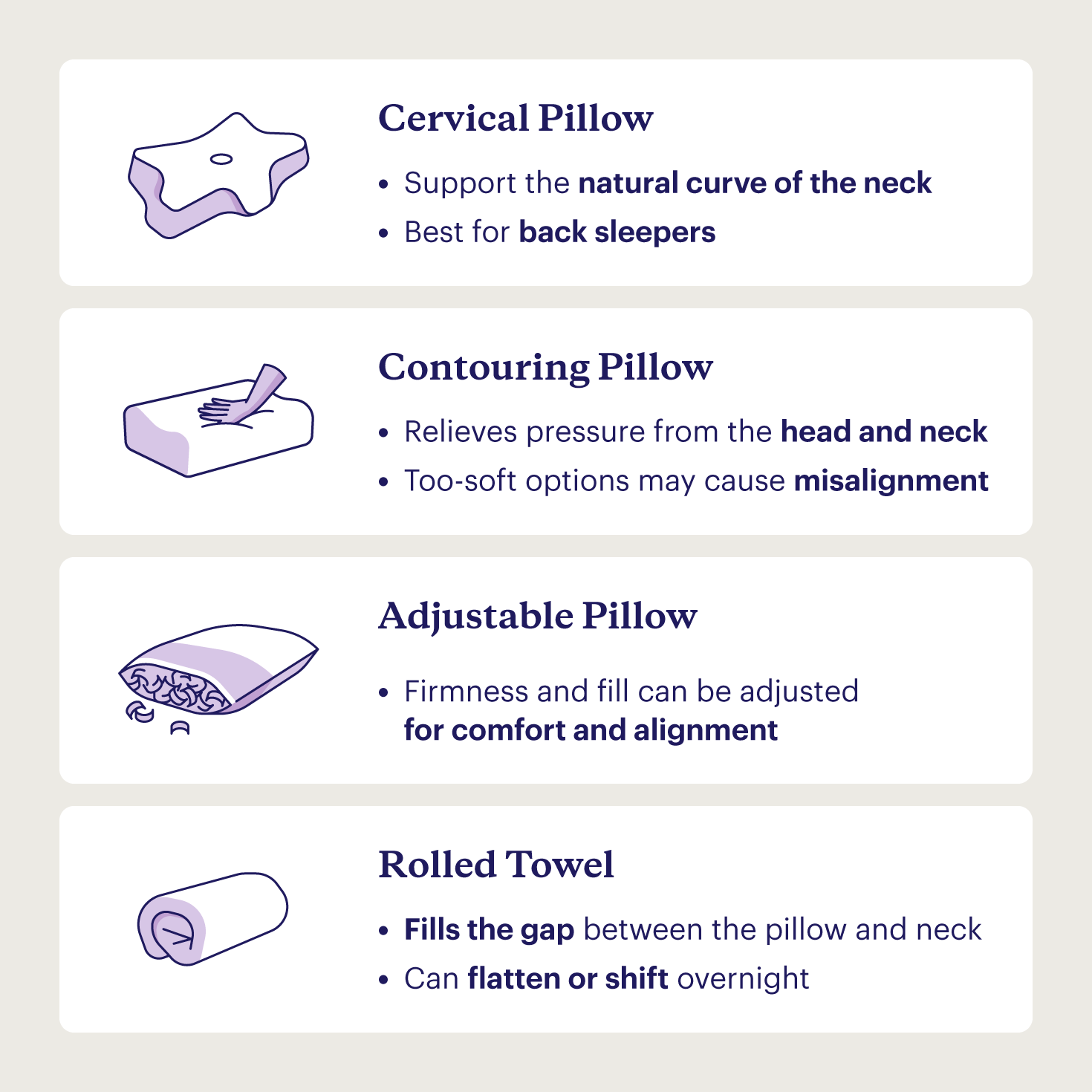
Aside from your sleep position, finding the right pillow position for neck pain has the biggest impact on how your neck feels in the morning. The type of pillow you use, as well as your pillow’s loft (height) and firmness, affect your neck alignment, support, and pressure relief.
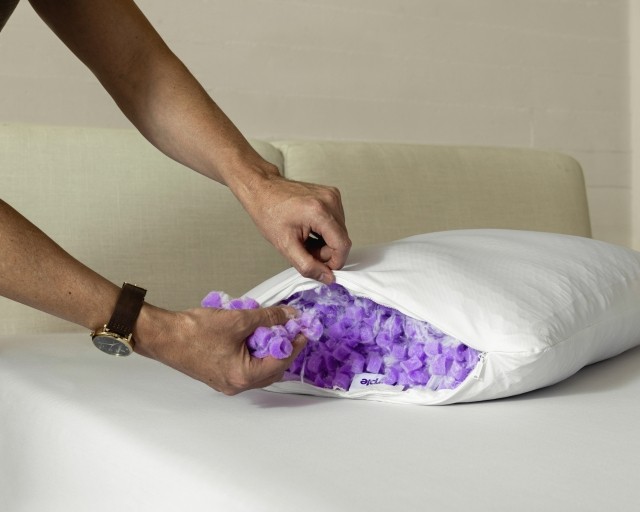
Dr. Austin Anadu of AlynMD recommends a contoured pillow or a soft, foldable pillow.2 Adjustable options like the Purple Freeform™ Pillow satisfy this recommendation, as you can alter the fill and firmness to suit your comfort and provide dedicated neck support with the adjustable neck roll chamber.
Choosing the ideal pillow height isn’t a one-size-fits-all deal. The best pillow height mainly depends on your sleep position and body type. Recommended pillow lofts by position include:
- Side sleepers: Medium or high loft pillow
- Back sleepers: Medium loft pillow
- Stomach sleepers: Low loft pillow or no pillow
The right pillow loft keeps your neck aligned with your spine, and a medium-firm pillow is a safe choice for most sleepers. Your neck should never feel overextended.
“Keep your head and neck in alignment with your spine. As for pillows[,] use memory foam or one which is contoured to the neck[,] especially if you are a side or back sleeper.” — Dr. Gregory Gasic, VMeDx3
It’s a good idea to replace your pillow if it doesn’t cushion your head and keep your neck supported well enough. Don’t be afraid to try different Purple pillows to find the most comfortable fit.
Purple pillows are built to cradle your head, support neck alignment, and keep you cool. The GelFlex Grid® inside every Purple mattress and most Purple pillows is unlike any other material, designed to reduce pressure buildup and distribute your weight evenly, maximizing your comfort.
3. Try Additional Neck Support
If your neck hurts after sleeping, even when you’re using a quality pillow, consider whether you’re lying on your pillow correctly. You should keep your shoulders off the pillow and make sure your head is aligned. If you’re still experiencing discomfort, you might need additional neck support.
Side sleepers who don't get the right level of arch support during the night might want to place rolled towels under the edge of their pillow. Some people do best with therapeutic cervical pillows, which are designed to conform to the neck and spine in a way that keeps them properly supported and aligned throughout the night.
4. Invest in a Quality Mattress
Your pillow isn’t the only thing that promotes proper neck alignment and pressure relief at night. Sometimes, even a new mattress can cause back pain.
A pressure relief mattress like Purple contours to and cushions your body’s pressure points, while offering the right level of support to keep your spine aligned. The GelFlex Grid®, also known as a Gel Matrix™, found in Purple mattresses uses strong, flexible columns to provide individualized support to your body’s primary pressure points.
Just like with pillows, your sleep position and body type influences which type of mattress is best for you:
- Back sleepers: Medium-firm mattress
- Side sleepers: Soft to medium-firm mattresses
- Stomach sleepers: Medium-firm to firm mattress
You may find that your personal preference deviates from these recommendations. Regardless of what firmness you prefer, make sure you choose a mattress that provides enough pressure relief and supports your back to maintain alignment.
5. Manage Neck Pain
Waking up with a stiff neck doesn’t mean you’re doomed to deal with neck pain for the rest of the day. There are several options for how to relieve neck pain from sleeping wrong so you can reduce pain and stiffness.
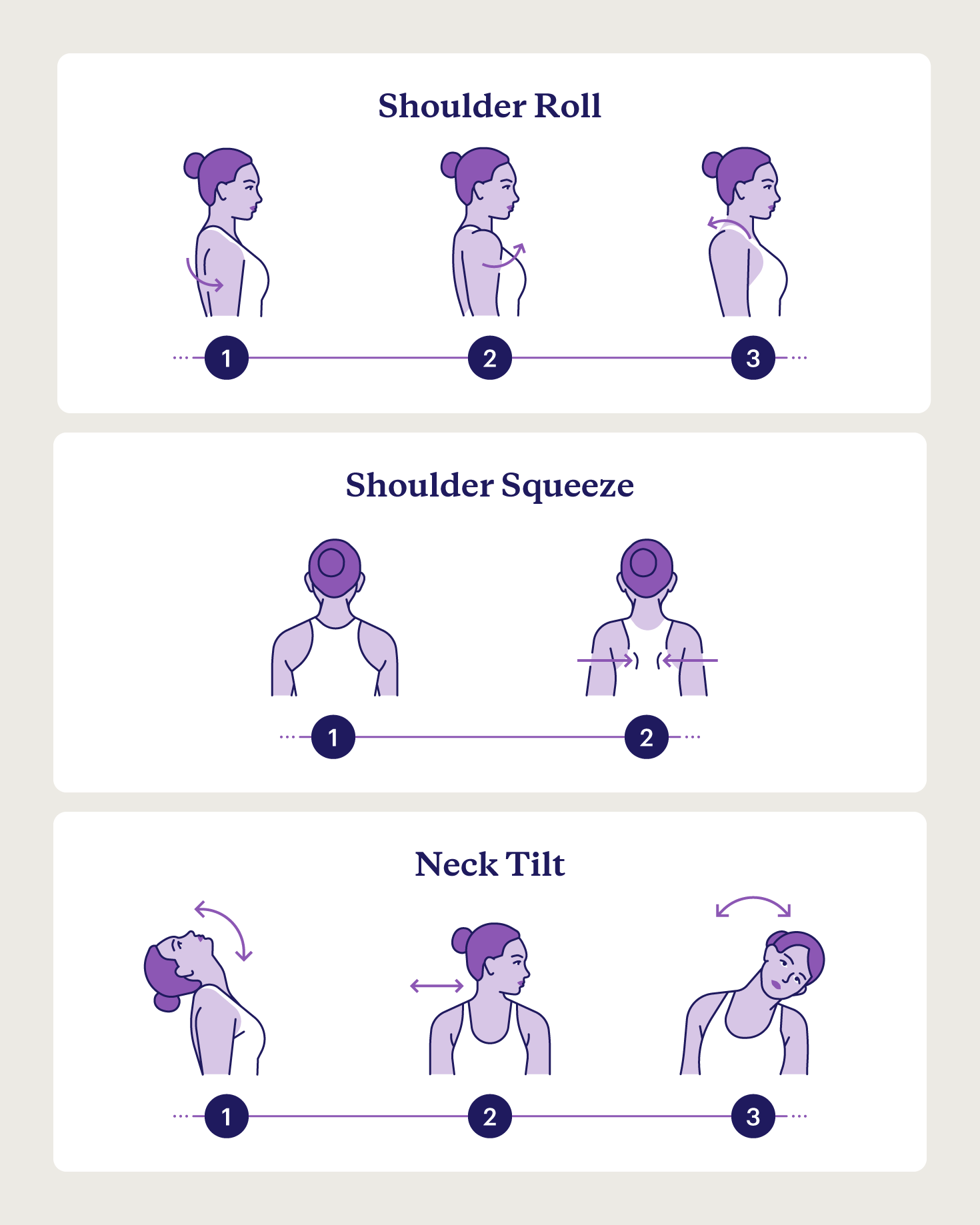
Gentle stretching is the best way to start. A good round of stretches for neck pain includes rolling your shoulders back and down, squeezing your shoulder blades together, and touching your ear to your shoulder on each side. Do these stretches 10 times for three rounds.
Disclaimer: This is not a substitute for medical advice and is intended for informational purposes only.
You can also use temperature to manage neck pain. Ice treatments (like an ice pack covered with a cloth) can manage swelling and short-term pain from strains or exercise.4 A hot compress or warm shower promotes blood flow to your neck and loosen your muscles.5
Tip: Make your own compress by soaking a towel in warm (not hot) water and wringing it out, then apply to the sore area.
Alternatively, you can wet a towel, place it in a microwave-safe container, and heat for 15-second intervals until warm.
6. Adopt Healthy Habits
Prevention is the best cure for how to sleep with neck and shoulder pain, and for most people, that means adopting healthy habits during the day. Maintaining good posture during the day (like when you’re working at your computer or reading a book while lying in bed as part of your bedtime routine) can keep your neck muscles from getting inflamed.
You can also prevent neck tension by staying hydrated, which flushes out muscle toxins that contribute to stiffness and pain.6 Managing emotional stress is also important, as too much stress can keep you awake and cause you to unconsciously build up tension in your neck and shoulders.7
7. Consult a Professional
If you’ve tried the above tips and are still experiencing persistent neck pain, especially neck pain at the base of the skull after sleeping, you may want to talk to your doctor.
You should also contact your doctor if you’re experiencing numbness or shooting pain in your chest or shoulders alongside your neck pain. These symptoms could be caused by conditions like sciatica or herniated discs and require medical attention.
“If your neck pain has been present for over a week, is getting worse, or is accompanied by tingling, numbness[,] or weakness[,] don't ignore it. See a physical therapist, chiropractor, or orthopedic specialist. They will determine the cause of your pain and help you.” — Dr. Gregory Gasic, VMeDx3
A medical professional can help you determine the underlying issues contributing to your ongoing neck pain and suggest professional treatments that could help. Massage therapy, acupuncture, and chiropractic care are all worthwhile options for relieving muscle tension in your neck to reduce pain and stiffness.
Why Does My Neck Hurt When I Wake Up?
The most likely culprits of morning neck pain are generally poor sleep position or alignment or poor posture during daytime activities.
Beyond those causes, these are the most common reasons why your neck may hurt when you wake up in the morning:
- Using a pillow that is too high or too low
- Using a pillow that is too soft and doesn’t provide enough support
- Built-up tension from stress
- Muscle stiffness from exercise
- Straining or injury from daytime activities
- Jerky movements during sleep that strain neck muscles
- A symptom of disc issues or osteoarthritis
In many cases, neck pain is a minor, temporary issue, but it’s important to seek medical care for long-lasting or severe pain.
“Neck pain can be a result of something very minor, like post-sleep posture or muscle strains, [or] serious conditions like disc herniation or cervical spondylosis. You should seek professional help if the pain lasts more than two weeks or is severely limiting daily activities.” — Dr. Austin Anadu, AlynMD2
Both temporary (acute) and chronic neck pain can disrupt your sleep and impact your daily life. Typically, acute neck pain lasts at least a few days and up to three weeks. This type of pain often results from poor posture or muscle strain and can be treated with over-the-counter solutions as well as heat or ice.
Chronic neck pain lasts at least three months and may stem from conditions like arthritis or pinched nerves. It may be less responsive to home remedies, requiring treatments like physical therapy to relieve discomfort.
Support Your Neck With Purple
Even better than wondering how to sleep with neck pain is learning how to get better, pain-free sleep altogether. Keeping your neck properly aligned, practicing healthy daytime habits, and investing in a supportive mattress and pillow are key.
Purple mattresses provide ample support and pressure relief for your neck and back thanks to the innovative GelFlex Grid®. With the right mattress and pillow combination, you can get the support you need to get deeper sleep.
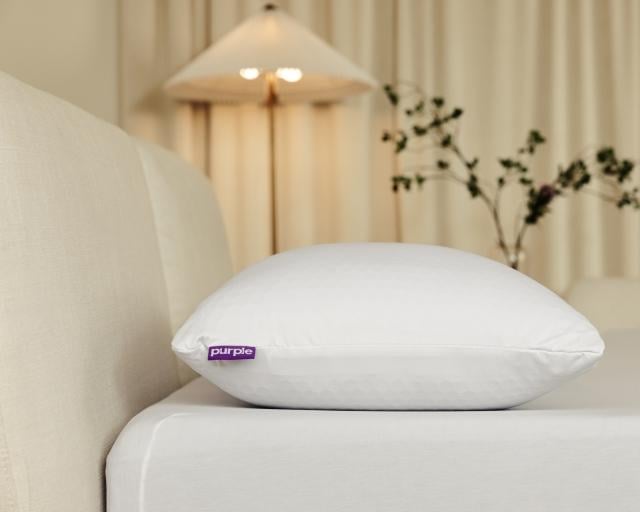
Contouring, Breathable Support
The GelFlex Grid® instantly adapts to your body, cradling your head and supporting your neck alignment for optimal comfort.
FAQ
Neck pain after sleeping is often the result of the wrong sleep position or the wrong type of pillow for your neck. Your pillow should be at a height that supports your neck’s natural curvature — not too high or too low. Avoid stomach sleeping, which puts your neck in an unnatural position.
No. You should sleep on the opposite side of where your neck hurts. This reduces pressure on the stiff part of your neck, giving it a better chance to recover during the night. Better yet, try sleeping on your back for proper spine and neck alignment.
To relieve neck pain from sleeping wrong, follow best practices for how to sleep with a stiff neck. This starts by sleeping on your back or side and using a pillow that provides proper support for your neck based on your sleep position. Applying ice or heat to the affected area and doing targeted stretches can also relieve pain and stiffness.
The Purple Harmony™ Pillow is ideally suited to support your neck while you sleep. Available in three lofts, this latex pillow provides an airy, bouncy feel while using the Honeycomb GelFlex Grid® to conform to your neck and head for instant pressure relief.
If you have a stiff neck from sleeping, try to avoid slouching, holding your head in one position, and jerky movements that could make the discomfort worse. You should also avoid:
- Lifting anything heavy, especially if only using one arm
- Using your phone with your head bent over it
- Sleeping on your stomach
- Using too many pillows to prop up your head
Slow, gentle movements and stretches can help your neck loosen up. If your stiff neck persists or impacts your daily functions, you should contact your doctor.
More To Explore
Level up your sleep routine with our most-loved products.
-
Best sellerOn sale
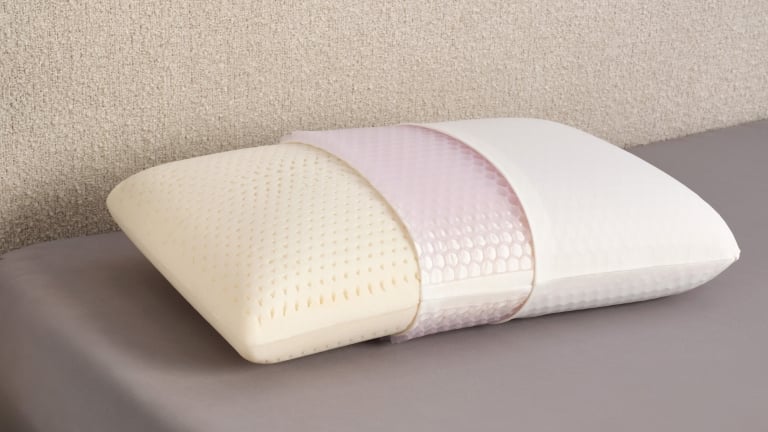
Purple Harmony™ Pillow
From Is dollars Is now dollarsShop Purple Harmony™ PillowInstantly responsive + doesn’t fall flat
-
Best neck supportOn sale
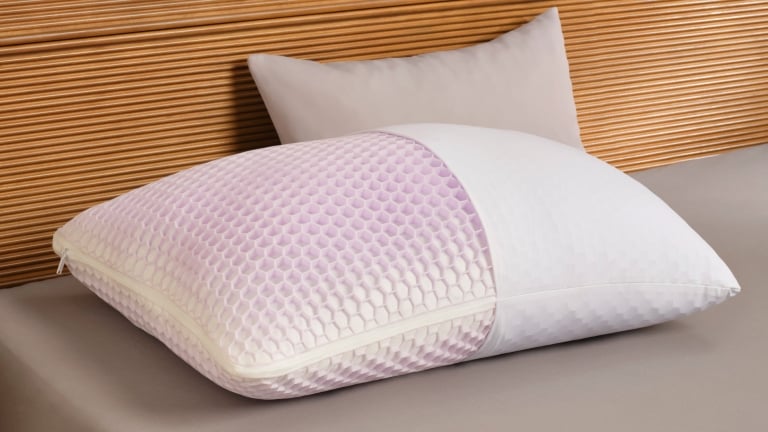
Purple Freeform™ Pillow
From Is dollars Is now dollarsShop Purple Freeform™ PillowAdjustable design for personalized comfort
-
The original PurpleOn sale
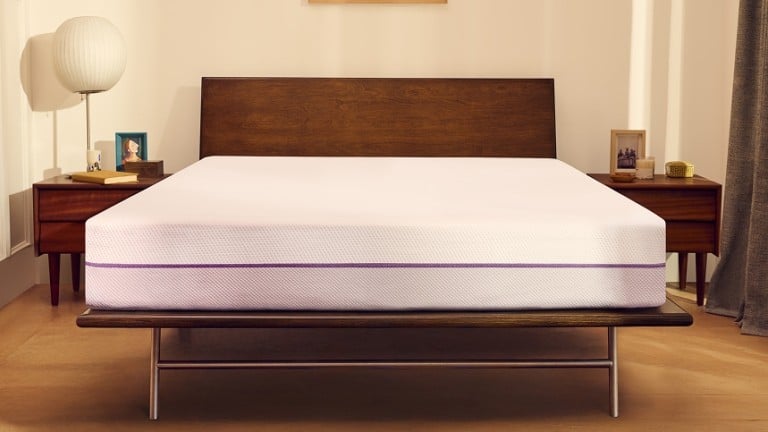
The Purple Mattress®
From Is dollars Is now dollarsShop The Purple Mattress®2" GelFlex Grid + comfort foam for balanced support + pressure relief.
About the authors

Sydney brings more than five years of experience writing about a range of topics including health, lifestyle, and technology. They have a B.A. in Creative Writing and Literature from Lebanon Valley College. They’re a big fan of sharing dreams and discussing symbolism for fun. Sydney is always searching for tips to improve their sleep quality and hopes to help others get the best sleep possible with their writing.

Claire Proudfoot is a Product Manager who specializes in the pillow category. She has over 3.5 years of experience in the pillow industry. Claire understands’ consumers needs and is committed to providing innovative pillow products to improve sleep and comfort.


-
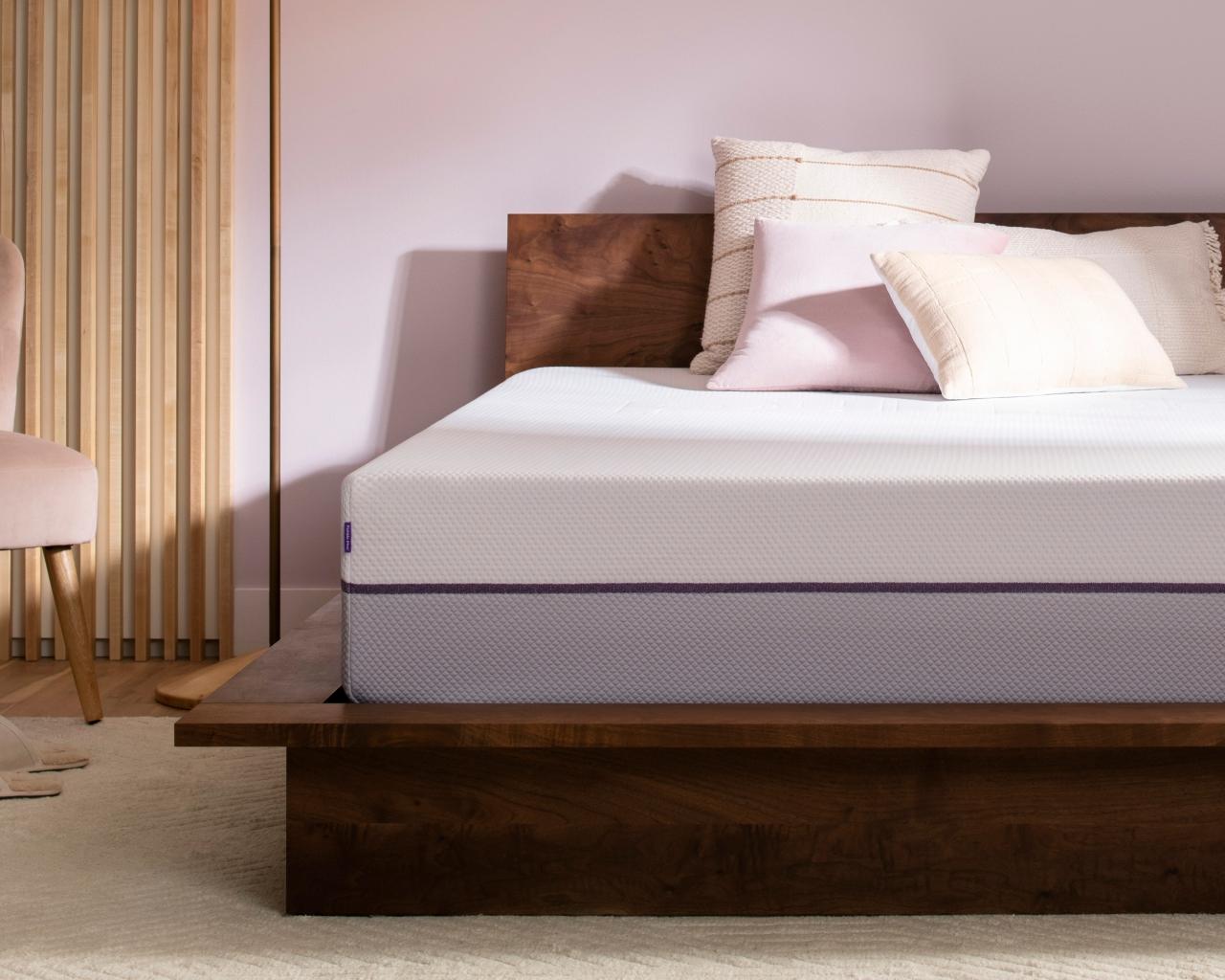 Purple Essential CollectionExperience the instantly adaptive GelFlex® Grid — at our best price.
Cradling comfort from the Purple GelFlex Grid
Easy, fast delivery
-
 Restore Hybrid CollectionStep up with a hybrid construction for enhanced pressure relief, support + up to 4x more cooling.*
GelFlex Grid + comfort layers for enhanced pressure relief
Maximum cooling — up to 4X cooler2 than competitors
Coil System provides responsive support
-
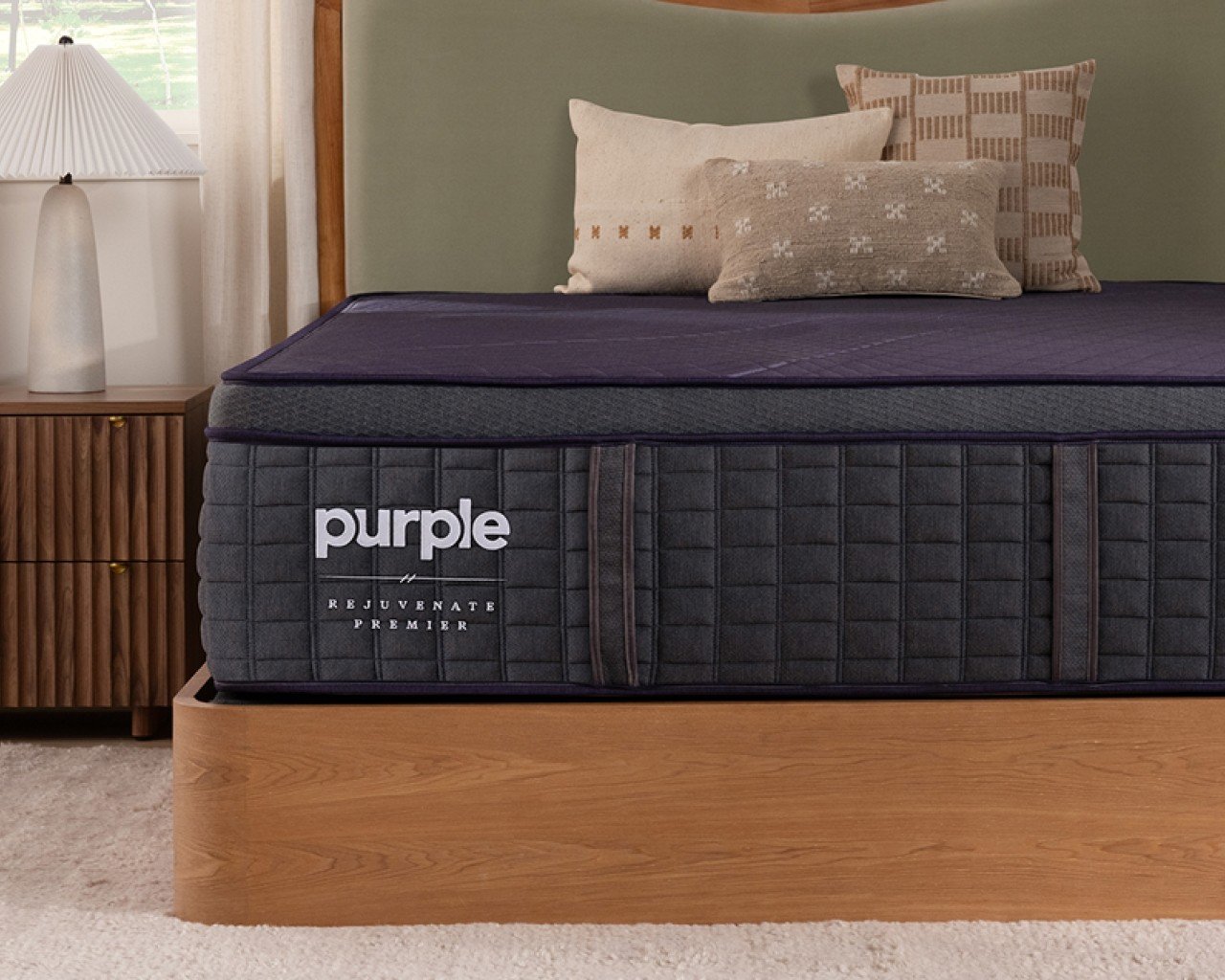 Rejuvenate Luxe CollectionQuilted Euro Top, enhanced comfort layers + hybrid construction offer maximum support.
All-new DreamLayer™ for soothing surface comfort
Layered Grid offers exceptional, full-body pressure relief
Adaptive Response Foam unlocks the Grid’s full comfort potential
Responsive coils maximize mattress cooling, longevity + stability


