How To Sleep With Sciatica: 9 Tips for Nighttime Relief


Sleeping with sciatica: Do’s and don'ts
- Do: Sleep on your back or side on a medium-firm mattress that offers pressure relief and spinal alignment.
- Don’t: Sleep on your stomach on a too-soft mattress.
Do pins and needles in your leg and electric pain running down your back sound familiar? Sciatic nerve pain can jolt you awake in the middle of the night or keeps you from falling asleep in the first place. It’s easy to feel helpless when you can’t sleep well, but don’t lose hope. We’ll discuss how to sleep with sciatica to help lessen pain and sleep peacefully.
Read on to learn some of the most effective ways to get relief at night, from choosing a great mattress for back pain to learning the best sleep position for sciatica.
Disclaimer: This article is not medical advice. Consult a doctor to come up with a treatment plan to manage your sciatica.
1. Sleep on Your Side or Back
Sleep positions that take pressure off the lower back are best for sciatica. Here’s an overview of each position:
- Back sleeping: Back sleeping is the best sleeping position for sciatica because it keeps your spine aligned in a neutral position. Putting a pillow under your knees to keep them bent takes even more pressure off the lower back.
- Side sleeping: Side sleepers may also find sciatic nerve pain relief at night, especially with a pillow between their knees. AlynMD’s Dr. Austin Anadu says, “The best way to avoid putting more pressure and causing more pain is by sleeping on your side. [You] can also add a pillow in between the knees to avoid friction and pain.”1
- Stomach sleeping: Stomach sleeping is considered the worst for sciatica because it flattens out your spine’s natural curvature and strains your neck and lower back.
“Side sleeping on your non-painful side with a pillow between your knees is optimal — this maintains spinal alignment and reduces sciatic nerve tension. [...] Avoid stomach sleeping at all costs — it forces spinal rotation and hyperextends the lower back, directly compressing the sciatic nerve.” — Dr. David Shapiro, Complete Spine Solutions2
If sciatica is keeping you from getting a decent night’s rest, it’s worth trying to train yourself to sleep in the supine position (on your back) with your knees slightly elevated. Sleeping on your back is also best for IT band pain and other ailments.
2. Sleep on a Supportive Mattress
The best way to sleep with lower back pain and sciatica is on a medium-firm mattress that offers pressure relief and promotes spinal alignment.3 A supportive pressure relief mattress is key for back pain at night.
“Choose a medium-firm mattress that contours to your body while maintaining spinal neutrality. Look for pressure point relief at the hips and shoulders, combined with adequate lumbar support.” — Dr. David Shapiro, Complete Spine Solutions2
Too-soft memory foam can be bad for your back. That’s because a mattress that’s too soft can allow you to sink too deeply into the bed, throwing off your posture while you sleep and potentially contributing to back pain over time.
A high-quality mattress with pocketed coils and a supportive comfort layer—like Purple’s GelFlex Grid®—is designed to provide support where you need it while still relieving pressure. In fact, sleepers on Purple mattresses reported 63% less sleep-interfering pain10, helping promote more comfortable, uninterrupted rest compared to their original mattress.

Superior Comfort and Support
Are you looking for targeted pressure relief? The GelFlex Grid® inside every Purple mattress offers the optimal blend of comfort and support.
3. Elevate Your Knees With Pillows
A high-quality sciatica pillow can be your best friend if you suffer from sciatic pain. Learn how to sleep on pillows under your knees to minimize pressure on your lumbar discs. This can provide pressure relief and help you sleep more comfortably.
While lying on your back, simply slide a pillow under your knees for support. If you prefer sleeping on your side, you can still elevate your knees in much the same way — prop pillows underneath your top knee so that your hips are squared while you sleep.
Keeping your neck supported can also promote spinal alignment and relieve pain overall.
4. Stretch Before Bed
Many people who struggle with sciatica have found success by incorporating light stretching into their bedtime routine and doing sciatica exercises before bed and during the day. Learning how to stretch the sciatic nerve can help relax the muscles and minimize irritation and pain.
Here are some sciatic nerve pain stretches to try, but always check with your doctor first.
- Piriformis/figure four stretch: Lie on your back with your knees bent and feet flat on the ground. Take one leg and place it over the other, with your ankle over your other leg’s knee. For a deeper stretch, grab the leg with the foot on the ground and gently pull it up toward you.4
- Knees to chest: Lying on your back, gently hug your knees to your chest, clasping your hands around your knees. Hold this position for 10 seconds, release, and repeat to loosen up your lower back.5
- Child’s pose: Starting on all fours, sit back on your feet with your arms outstretched and palms flat on the ground. Push back with your hands, keeping your head down.6
- Pelvic tilts: Lying on your back, bend your knees with your feet flat on the ground. When you exhale, flatten your lower back to the ground and hold. Release and repeat.7
Stretch gently — don’t overtax or stress your muscles, which can make the situation worse. For best results, do these stretches before you go to bed and when you first get up in the morning.
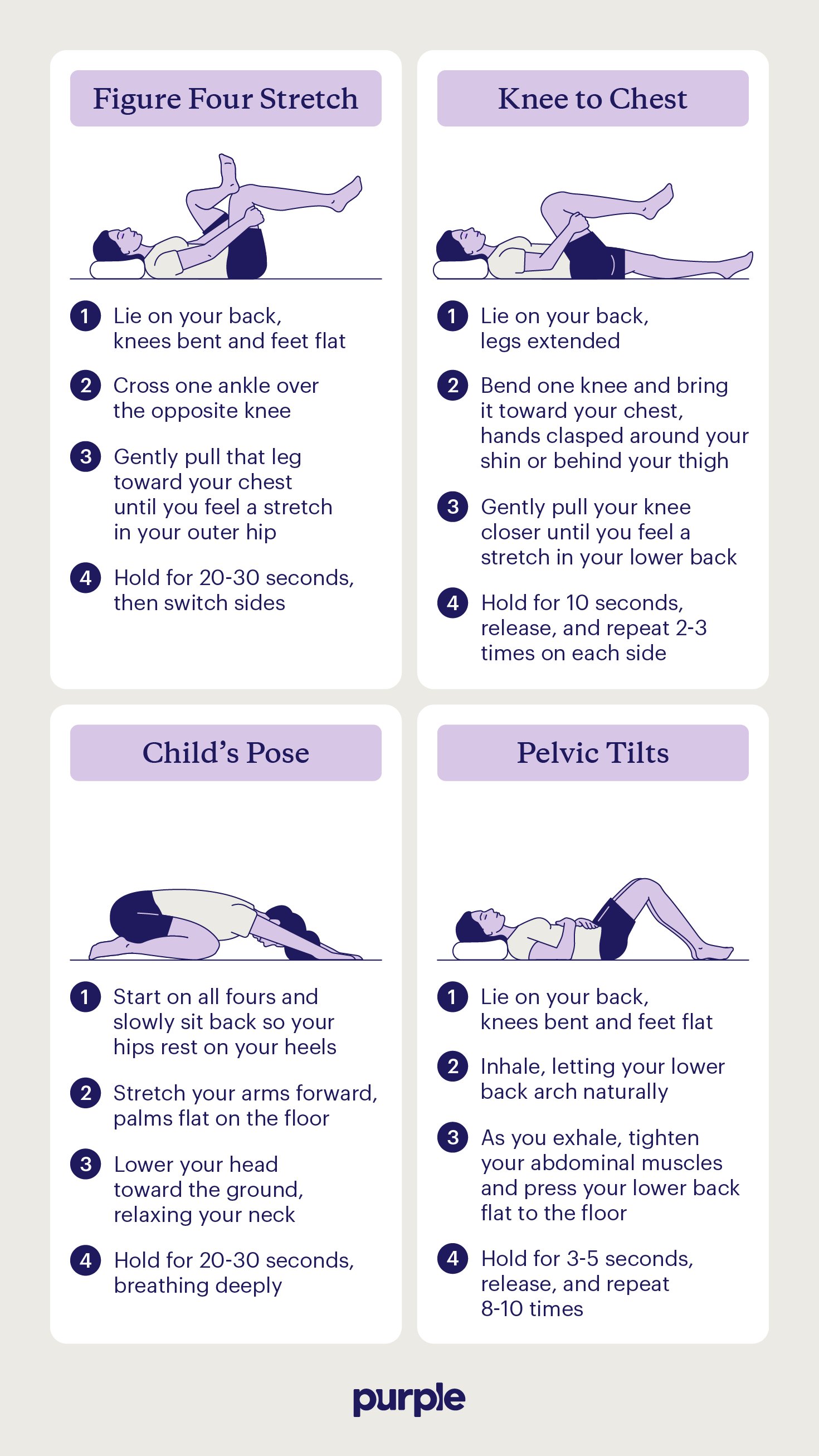
As with any kind of stretch or exercise, if the movements cause pain or worsen your symptoms, stop immediately and consult your doctor.
5. Try Hot and Cold Therapy
For continuous pain, try alternating between hot and cold therapy.8
A few minutes before bedtime, you can ice sore spots like the tailbone, lower back, and buttocks for about 20 minutes to reduce inflammation and relieve pain. Confirm the duration with your doctor.
After two to three days of pain, try heat therapy. A warm bath can help relax the muscles around your sciatic nerve roots. If you’re not a fan of taking baths, try a heating pad.
6. Look Into Massage Therapy
Massage therapy may help alleviate some symptoms of sciatica.9
Reach out to massage therapists in your area and ask about their techniques and services for treating sciatica, especially if you suffer from acute pain.
You can also give yourself a massage by rubbing the small of your back with your palms, using downward motions toward your buttocks — or you can lie on the floor and use your knuckles under your back to apply pressure against your lower back.
7. Use Over-the-Counter Pain Relief Options
Over-the-counter nonsteroidal anti-inflammatory drugs (NSAIDs) like ibuprofen, naproxen, and aspirin may help reduce pain and swelling. Pain relief patches or creams, especially those containing capsaicin or menthol, may also help provide relief from sciatic nerve pain. Make sure to use them as directed.
8. Avoid Your Painful Side
For many people with sciatica, one side may be more painful than the other. Sometimes, when we toss and turn at night, we end up on our more painful side. Try your best to avoid turning onto your painful side by stacking pillows behind you or putting a tennis ball in the pocket of your pajama pants to prevent you from rolling onto your painful side.
Instead of sleeping on one side, you can also try sleeping on your back on an adjustable bed frame, which can help reduce pressure on your spine by elevating the head and/or feet.
9. Talk to Your Doctor
Before starting any self-treatments, speak to your doctor. It’s important to get a medical professional’s opinion on how to sleep with a herniated disc and sciatica.
“Any level of sciatica is enough to seek medical attention. But cases like severe pain that limits daily activities or is not relieved by over-the-counter medications are a good indication for expert care. Also, when you have neurological symptoms like leg weakness and numbness [...], it's best to seek care.” — Dr. Austin Anadu, AlynMD1
Your doctor may also offer more effective treatments, such as physical therapy, prescription medication, steroid injections, or even surgery, to ensure you get relief.
What Is Sciatica?
Sciatica typically flares up when any of the sciatic roots in your lower back are compressed or irritated in some way.5
Your sciatic nerve is the longest nerve in the human body — running down the spinal cord, into the buttocks, and down into the legs and feet. When the sciatic nerve is compressed or inflamed in any way, you may feel pain in the legs or lower back, or suffer tingling or numbness in the legs or feet. This pain is typically referred to as sciatica.
Sciatic nerve pain may be intermittent or chronic pain, and it can range from feeling merely uncomfortable to being debilitatingly painful.
Symptoms include pain on the back and down the leg on the affected side, pins and needles, numbness, and muscle weakness.
What Causes Sciatica?
Sciatica can be caused by a number of factors, including the following9:
- One vertebra slipping over another — this is called spondylolisthesis
- Degenerative disc disease, or a specific herniated disc
- Lumbar spinal stenosis, which can cause narrowing of the spinal canal in the lower back
- Pregnancy
- Muscle spasms in the buttocks or back
- Lack of exercise
- Obesity
- Wearing high heels
- Osteoarthritis
- Injury
- Tumors or cysts
Some people with sciatica have trouble standing for long periods of time or even walking or sitting. And many people have trouble sleeping comfortably. To make matters worse, if you feel stressed and worried about falling asleep, that can make it even harder to get a good night’s sleep.
Can Sciatica Be Caused by a Bad Mattress?
While it’s unlikely that a mattress is the root cause of sciatic nerve pain, a bad mattress can certainly exacerbate the problem. An old, sagging mattress may worsen hip pain, back aches, and sciatica symptoms. Your spine needs plenty of support, and if you don’t have a good mattress, it’s easy for those sciatic nerve roots to become compressed.
If you’re having worse back pain from a new mattress, it may be due to an adjustment period or insufficient support. If you find yourself tossing and turning during the night, struggling to stay comfortable, that may also be a clue that the foam layer of your mattress isn’t providing enough back support.
Instead, invest in a supportive, medium-firm to firm mattress that prioritizes pressure relief. Dr. Shapiro says, “Memory foam or hybrid mattresses often provide the best balance of comfort and structural support.”2
How To Lie Down and Get Out of Bed With Sciatica
It can be difficult to get in and out of bed without exacerbating sciatica pain.
Here’s how to lie down with sciatica:
- Lower yourself slowly into bed, lying flat on your back, minimizing twisting and turning as much as possible.
Here’s how to get out of bed with sciatica:
- On your back, draw your knees up, keeping your feet flat on the mattress.
- Roll your body to one side so your knees hang off the bed.
- Let your legs swing down to the ground gently.
- Push yourself up, keeping your back straight, until you’re in an upright position and can stand.
Is Sciatica Worse at Night?
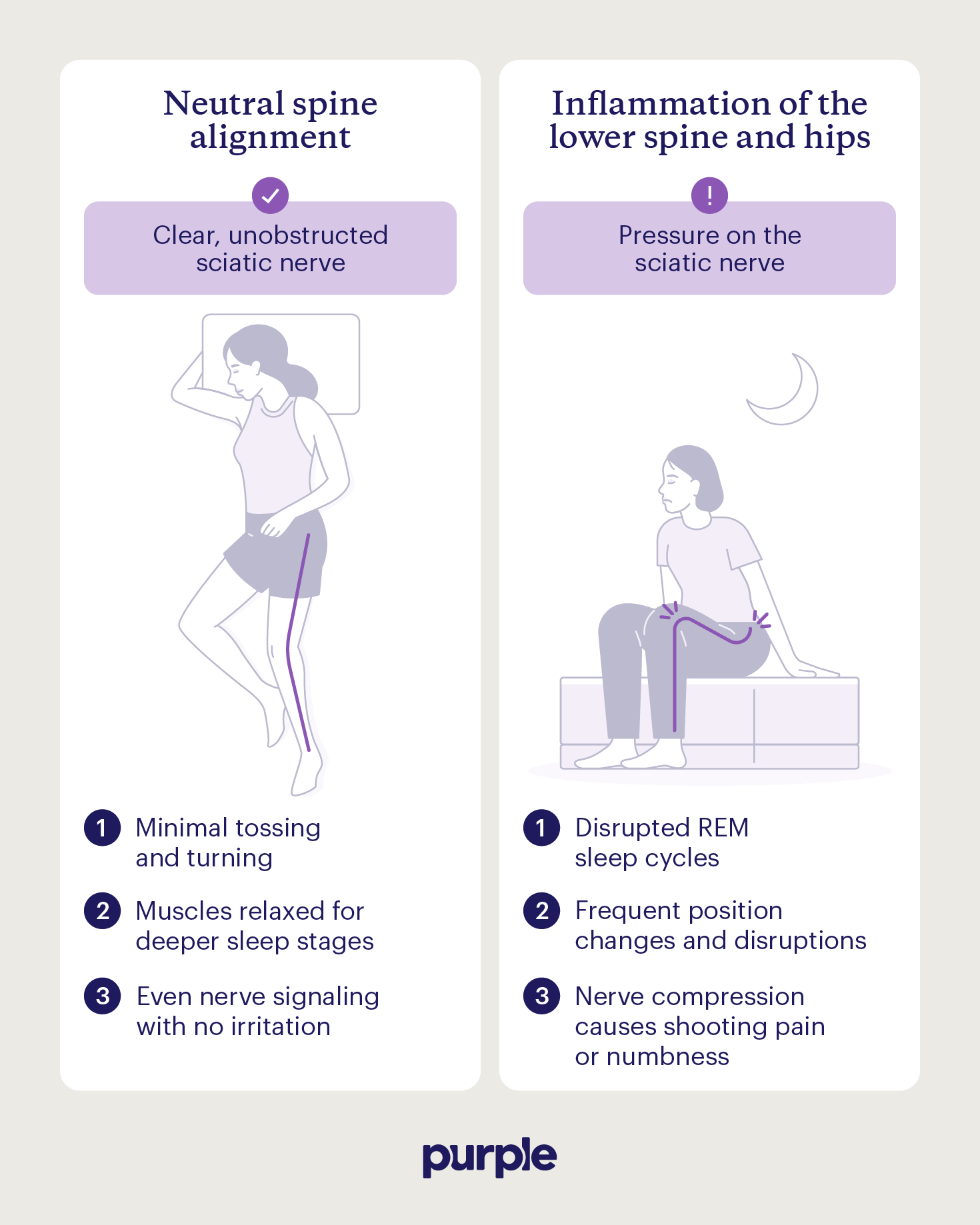
Some find that sciatica pain is worse at night due to pressure on the sciatic nerve and increased inflammation. Plus, it can be frustrating to struggle to get comfortable long after the sun goes down.
While learning how to sleep with sciatica pain, it may be helpful to form a bedtime routine that includes healthy habits to give yourself the best chance at a good night’s sleep. Try ending each day with a warm bath, gentle stretches, limited screen time, dimming the lights, and a cup of tea.
For the best results, make sure you have a supportive mattress that relieves pressure where you need it most.
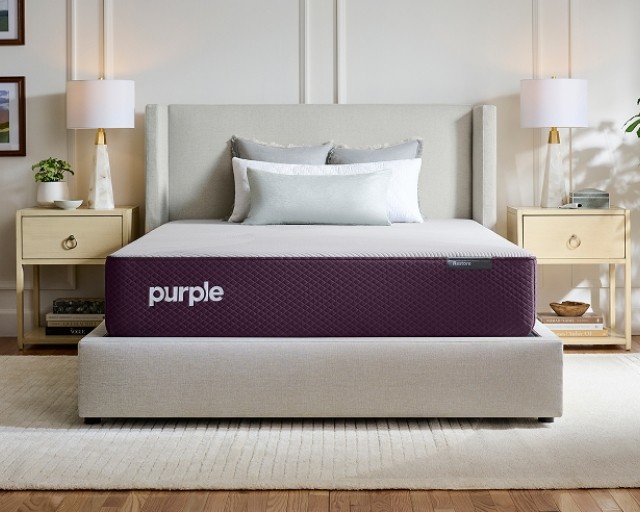
Hybrid Support and Comfort
A combination of pocketed coils, comfort layers, and the revolutionary GelFlex Grid® provides superior pressure relief and full-body support.
FAQ
Sciatica pain may be worse at night because lying down can put pressure on the sciatic nerve. You also have less to distract you from pain at night, and certain sleep positions may worsen pain.
The best way to sleep with sciatica is on your back with a pillow beneath your knees or on your side with a pillow between your legs. Both of these positions help take pressure off your lower back.
Try sleeping on your back with a pillow under your legs to keep your knees bent, which may help reduce pressure on your back.
More To Explore
Level up your sleep routine with our most-loved products.
-
On sale
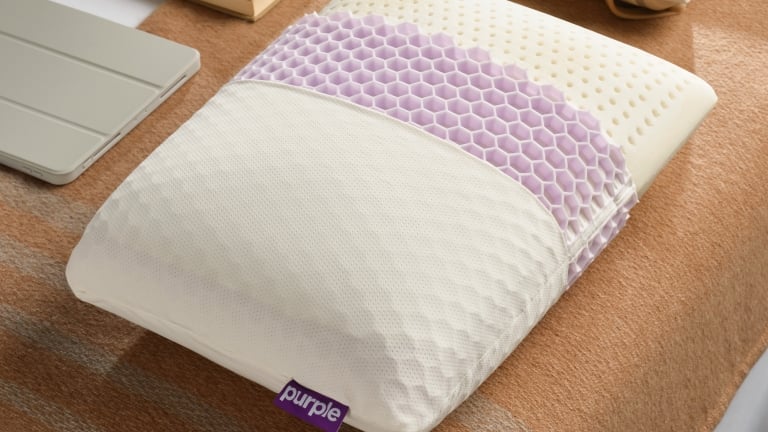
Purple Harmony Anywhere™ Pillow
From Is dollars Is now dollarsShop Purple Harmony Anywhere™ PillowOur bestseller made compact for on-the-go
-
Targets back painOn sale
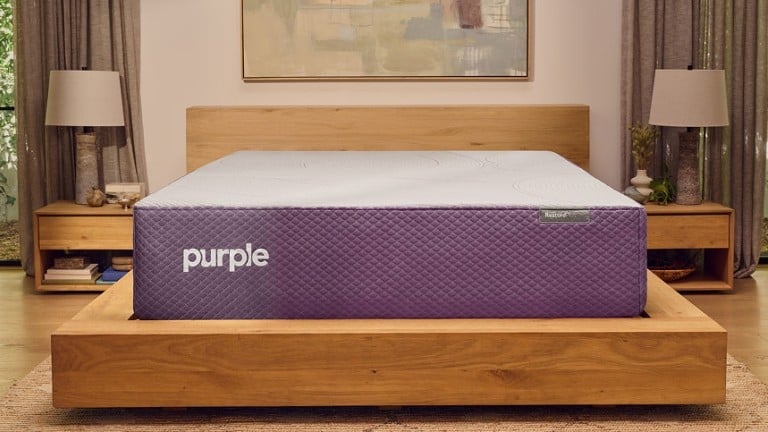
RestorePlus® Hybrid Mattress
From Is dollars Is now dollarsShop RestorePlus® Hybrid MattressDeeper 3" GelFlex Grid + zoned coils for targeted comfort, support, and spine alignment.
-
Bestselling quick shipOn sale
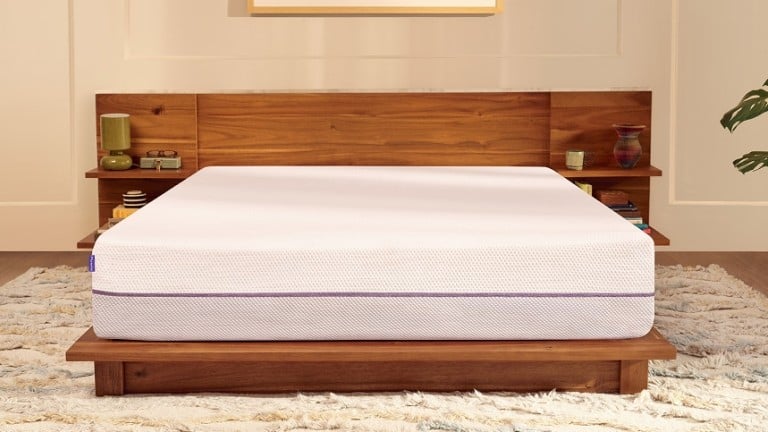
PurplePlus® Mattress
From Is dollars Is now dollarsShop PurplePlus® Mattress2" GelFlex Grid + Ultra Comfort layer for extra cushioning, pressure relief, and stability.
About the authors

Cecilia brings over five years of writing experience primarily centered around lifestyle and health topics. She has a Bachelor’s degree in Media and Journalism from the University of South Dakota. She’s both an advocate for sleep and a night owl at heart.

Tyler Wright is a Senior Product Manager of mattresses. With over 10 years of experience in product development, he is dedicated to developing innovative products that enhance and improve lives. At Purple that means building products that help people get the best sleep ever.
Sources
- Dr. Austin Anadu, AlynMD
- Dr. David Shapiro, Complete Spine Solutions
- Journal of Orthopaedics and Traumatology
- Healthline
- Mayo Clinic
- HSS Hospital for Special Surgery
- HealthCentral
- Cleveland Clinic
- Journal of Bodywork and Movement Therapies
- Average reduction reported in the impact of pain on sleep, as measured by the Chronic Pain Sleep Inventory (CPSI), while sleeping on a Purple Restore Collection mattress, SleepScore Labs, 2025.
Related Articles


-
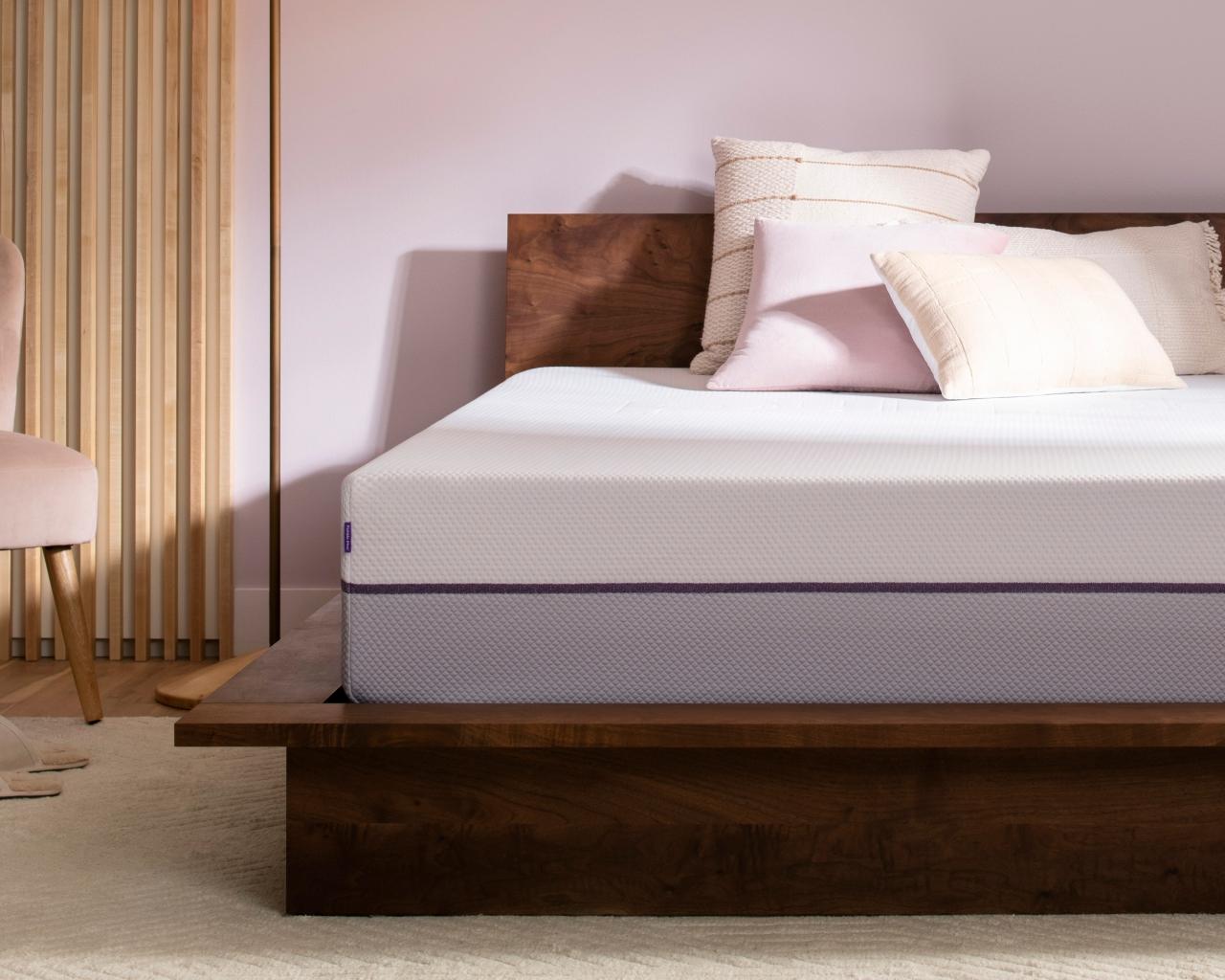 Purple Essential CollectionExperience the instantly adaptive GelFlex® Grid — at our best price.
Cradling comfort from the Purple GelFlex Grid
Easy, fast delivery
-
 Restore Hybrid CollectionStep up with a hybrid construction for enhanced pressure relief, support + up to 4x more cooling.*
GelFlex Grid + comfort layers for enhanced pressure relief
Maximum cooling — up to 4X cooler2 than competitors
Coil System provides responsive support
-
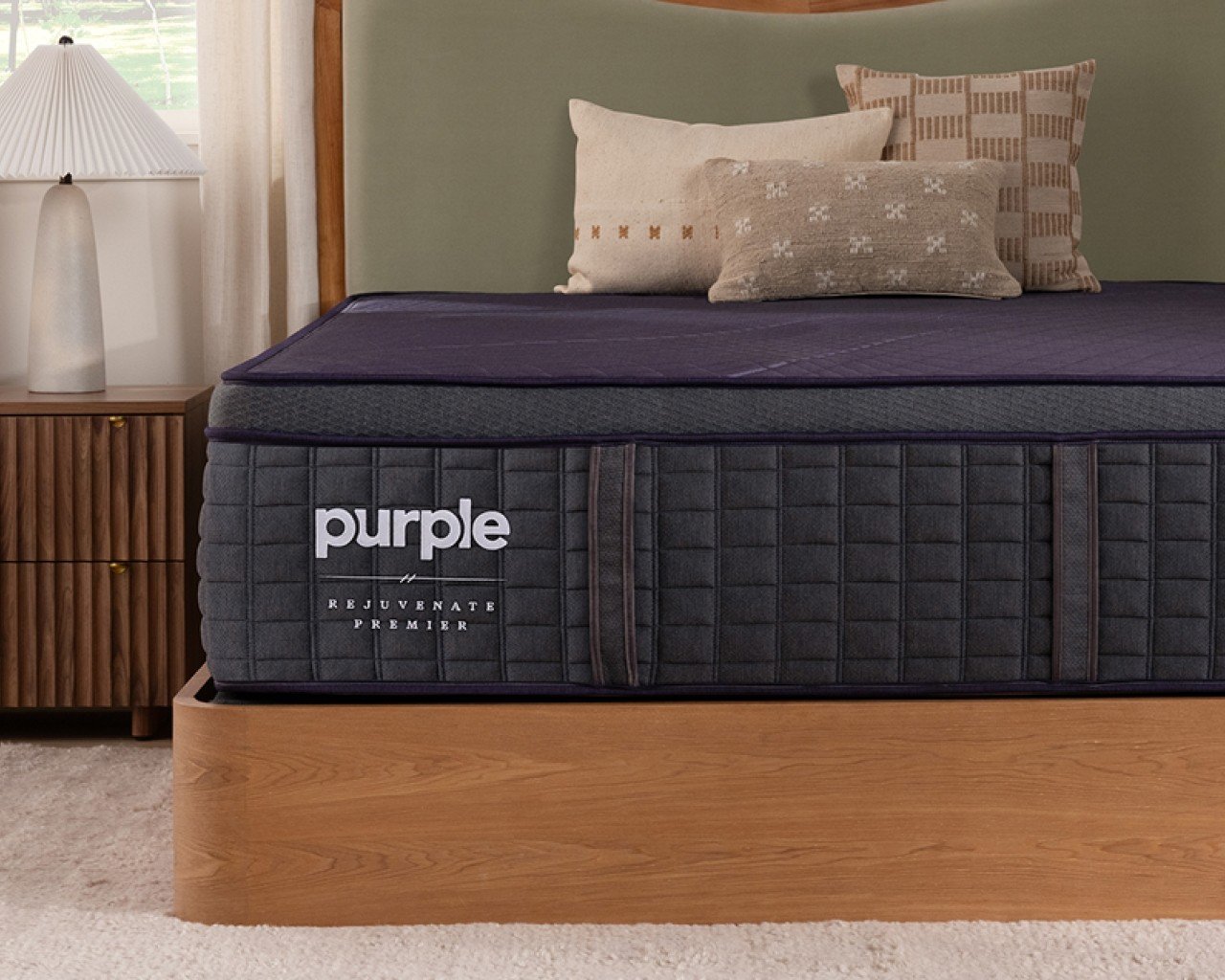 Rejuvenate Luxe CollectionQuilted Euro Top, enhanced comfort layers + hybrid construction offer maximum support.
All-new DreamLayer™ for soothing surface comfort
Layered Grid offers exceptional, full-body pressure relief
Adaptive Response Foam unlocks the Grid’s full comfort potential
Responsive coils maximize mattress cooling, longevity + stability


