What Is Bed Rotting? Benefits, Risks & the Science

Key Takeaways: Bed rotting is the practice of spending hours intentionally in bed scrolling, snacking, and doing nothing. It exploded on TikTok in 2023 with over 2 billion views. Done occasionally, it can be genuinely restorative. But experts say habitual bed rotting disrupts sleep, weakens your body, and can worsen anxiety and depression. Here's what you need to know and how to do it right.
What is bed rotting
Bed rotting is exactly what it sounds like: spending hours voluntarily in bed during the day, usually with snacks and a screen, with zero intention of being productive. No alarm to hit. No plans to keep. Just you, your blankets, and an entire season of Love Island or some other reality show.
The phrase surfaced on Reddit and caught fire on TikTok in 2023. Within months, the hashtag had accumulated more than 2 billion views. Gen Z adopted it fast; nearly 1 in 4 Gen Zers say they've spent multiple hours in bed as a way to cope with stress and burnout, according to Healthline. A 2024 survey by the American Academy of Sleep Medicine found 37% of Americans have tried at least one viral sleep trend, and bed rotting topped the list.
It sounds lazy. But the people doing it will tell you it's something else entirely.
Why people bed rot
Burnout is real and it's widespread. Gen Z entered adulthood during a pandemic, into a job market full of friction, and with social media running in the background 24/7. The appeal of zero-demand time, with no notifications to answer and no one needing anything, makes a lot of sense for anyone who's ever been too stressed to sleep.
"Rot-with-me" TikTok vlogs turned it into a shared ritual. Watching someone else do nothing productive, unapologetically, gave permission to a generation conditioned to always be on. For many, bed rotting isn't laziness. It's the only time they feel truly off the clock.
For others, though, it signals something more. Psychologists at the Rowan Center for Behavioral Medicine note that habitual bed rotting can be a sign of stress overload, burnout, or emotional avoidance. The behavior looks similar from the outside, but the internal experience and the outcome are very different.
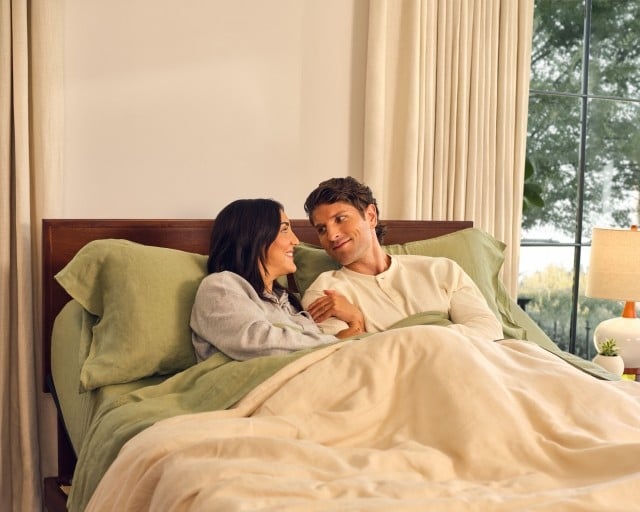
Sleep Better With Purple
Purple offers a selection of mattresses and bed frames for different sleeping preferences and bedroom needs.
Potential benefits of bed rotting
Rest has real value. When bed rotting is intentional and time-limited, there are some genuine upsides.
Short, screen-free rest can calm the nervous system and lower cortisol. Physical recovery from illness or exertion is a legitimate reason to stay horizontal. And for people running at maximum capacity, even unstructured downtime can provide mental relief when nothing else does.
The key word is intentional. Rest you choose, with some awareness of when it ends, lands differently than falling into bed and emerging six hours later unsure what happened. The former can help you reset. The latter tends to make things worse.
Side effects of lying in bed all day
Here's where the research is more direct. Extended time in bed during the day carries real physical and mental costs.
Physical effects
Prolonged inactivity weakens muscles and, in more extreme cases, raises the risk of blood clots. Your body is built to move. Lying still for hours at a stretch works against it.
Sleep quality
This one surprises people. Sleep hygiene research consistently shows that spending too much time in bed during the day erodes the mental association between your bed and sleep, making it harder to fix your sleep schedule and stay asleep at night. You may feel like you rested, but your actual nighttime sleep suffers.
Mental health
There's a meaningful correlation between habitual bed rotting and depression. Isolation feeds anxiety. Passive scrolling raises stress levels rather than lowering them. When bed rotting becomes a default response to difficulty rather than an occasional reset, it tends to compound the problem it's trying to solve.
If you find yourself staying in bed most days, not because you want to recharge but because getting up feels impossible, that's worth talking to someone about. It may be more than burnout.
What the research says
Researchers haven't formally studied "bed rotting" as a named behavior yet. The term is too new. But adjacent research paints a consistent picture.
Studies on prolonged bed rest show measurable physical decline within days: reduced muscle mass, lower cardiovascular fitness, disrupted circadian rhythm. Sleep scientists note that healthy sleep hygiene relies on your brain associating bed with sleep, not passive wakefulness. Understanding the stages of sleep your body needs at night helps explain why this matters so much.
The American Academy of Sleep Medicine is direct on the subject: viral sleep trends may feel helpful, but the evidence for most of them is thin. If you're not getting good nighttime sleep, spending more time in bed during the day won't fix it.
The Sleep Foundation puts it simply: occasional rest is fine. Habitual bed rotting is a sign your nighttime sleep or your stress load needs attention.
Bed rotting vs real rest: what's the difference
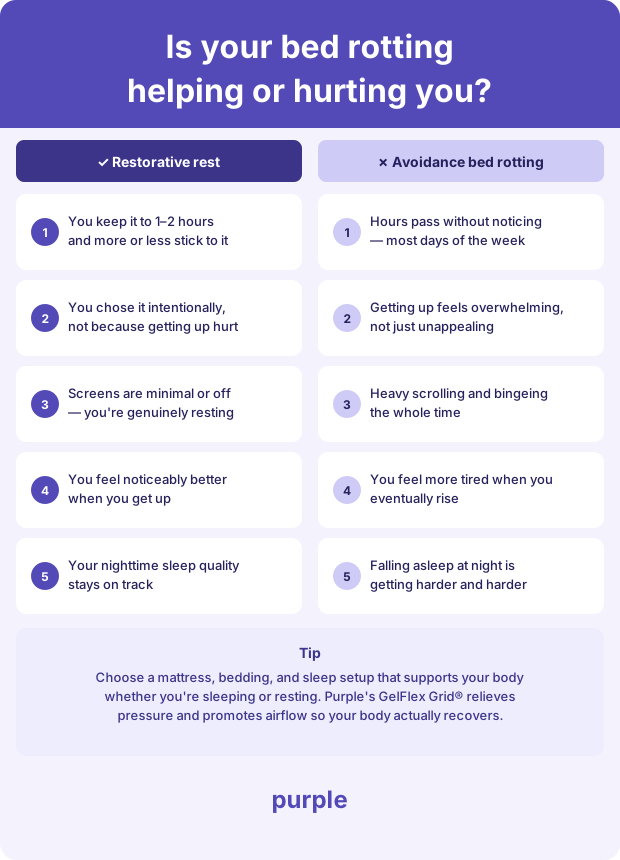
The line between restorative rest and avoidance behavior is thinner than people think. Here's a rough guide:
Signs your bed rotting is actually restoring you:
- You set a loose time limit and more or less stick to it
- You feel noticeably better when you get up
- It's occasional, not daily
- Your nighttime sleep isn't suffering
Signs it's becoming avoidance:
- Getting up feels overwhelming, not just unappealing
- You're scrolling more than resting
- Your sleep at night is worse, not better
- You're doing it most days
The goal of rest is to come back to your life with more capacity, not less. If bed rotting is leaving you more depleted than when you started, something needs to change, starting with your sleep.
How Cozy Earth turned a meme into a $100K reality show
Leave it to a bedding brand to see a billion-view TikTok trend and think: we should make a show about this.
Cozy Earth launched the Bed Rot Challenge as a branded competition. Whoever stays in bed the longest without touching the ground wins. What started as a social campaign grew into a full reality series streaming on Cozy Earth's YouTube channel. Over its run, the show has accumulated more than 85 million views. The prize has grown from $30,500 in earlier seasons to $100,000 today.
Season 3 premieres soon. Six episodes, hosted by London Lazerson (9M TikTok followers), featuring ten contestants competing for the $100K prize. The cast this season is the strongest yet:
- Carolyn Wiger, Natalie Anderson, and Ben Katzman (Survivor)
- Chase McWhorter (The Secret Lives of Mormon Wives)
- Vanna Einerson (Love Island USA)
- Zadok Esters (Beast Games)
- Aaron Kahng (unaired season of The Bachelorette)
- Luke Yates (YouTube fitness personality)
- Phalesia Pilkington and Sam Curtis
The elimination challenges make it anything but passive. Watch it on Cozy Earth's YouTube channel.
If you're going to be in bed, make it count
Whether you're bed rotting for a lazy Sunday or training for a Cozy Earth competition, your mattress is doing a lot of work. Hours of pressure in the same position without movement means your body relies entirely on what's underneath it.
If you can't get comfortable in bed, your mattress may be most of the reason. One built to relieve pressure, adapt to your body, and support your spine without fighting back makes the difference between resting and just lying there. Purple's GelFlex Grid® is designed exactly for this: it relieves pressure where your body needs it most, supports your body and aligns your spine, and allows heat to dissipate so you're not waking up hot halfway through your rot.
Less pain. Better sleep. Even on your laziest days. For more on building sleep habits that actually stick, read our guide on how to sleep better.

Get Your Best Sleep Ever
The GelFlex Grid® in every Purple mattress instantly adapts to your body, providing pressure relief and support where you need it most.
FAQ
Occasional, intentional rest isn't harmful, but habitual bed rotting, especially with heavy screen time, can disrupt nighttime sleep quality, contribute to depression symptoms, and cause physical issues like muscle stiffness and, in extreme cases, circulation problems.
Real rest is restorative and intentional: quiet downtime that calms your nervous system. Bed rotting often involves passive scrolling or bingeing for extended periods, which can feel like rest but doesn't deliver the same recovery benefits. The test: do you feel better or worse when you finally get up?
Yes. Sleep hygiene research shows that spending significant time in bed while awake during the day weakens your brain's association between bed and sleep, making it harder to fall asleep and stay asleep at night.
It's a branded reality competition where contestants compete to stay in bed the longest. Season 3 launches on Cozy Earth's YouTube channel, with 10 reality TV stars (including cast from Survivor, Love Island USA, The Bachelorette, and more) competing for a $100,000 prize.
Keep it to 1–2 hours, minimize screen time, and use it as intentional downtime rather than avoidance. Your setup matters too. A mattress that relieves pressure and regulates temperature helps your body actually rest rather than just wait.
More to Explore
Level-up your sleep routine with our most-loved products
-
The original Purple
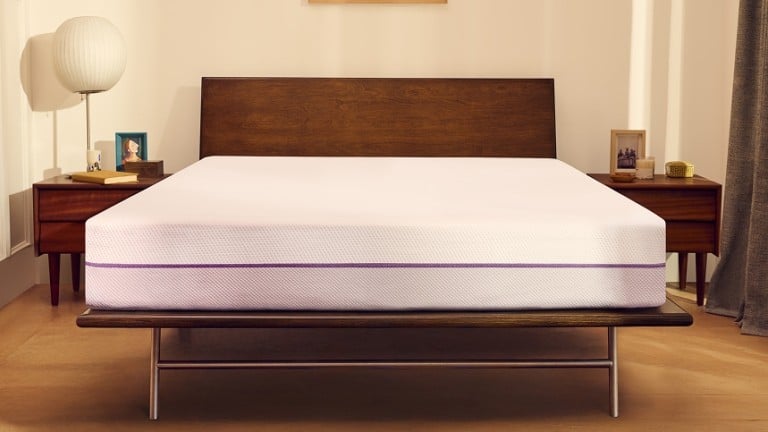
The Purple Mattress®
From Is dollars Is now dollarsShop The Purple Mattress®2" GelFlex Grid + comfort foam for balanced support + pressure relief.
-
Our coolest sleep
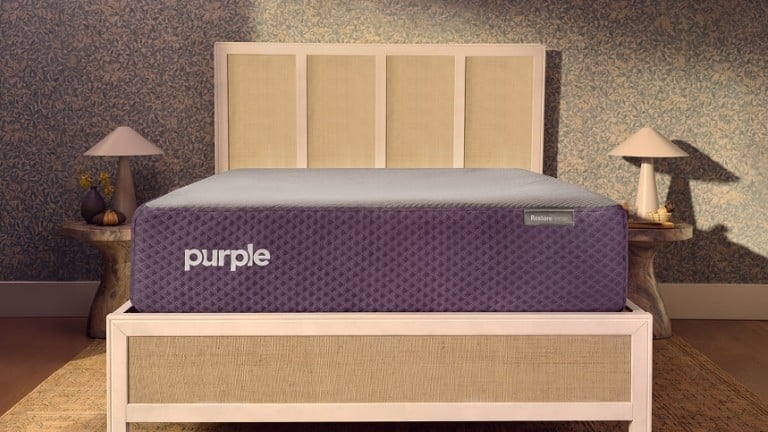
RestorePremier® Hybrid Mattress
From Is dollars Is now dollarsShop RestorePremier® Hybrid MattressDeep contouring 3" GelFlex Grid + CoolFlex coils for immersive comfort and advanced cooling.
-
Extra plush
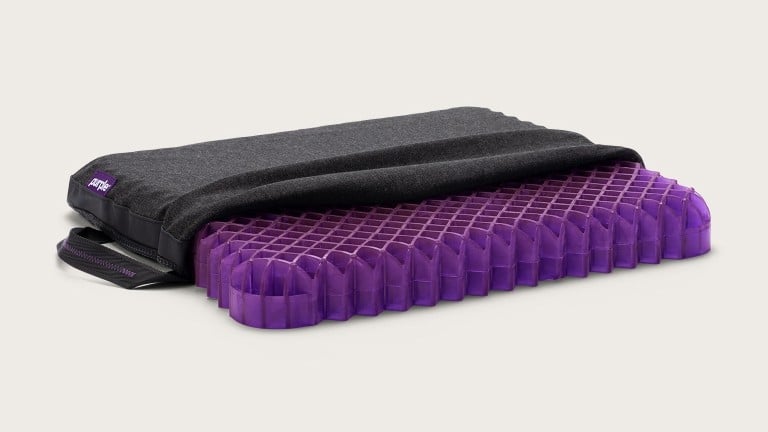
Royal Seat Cushion
From Is dollars Is now dollarsShop Royal Seat CushionUniquely dense Grid design makes even the hardest chair comfortable.
Related Articles


-
 Restore Hybrid CollectionStep up with a hybrid construction for enhanced pressure relief, support + up to 4x more cooling.*
GelFlex Grid + comfort layers for enhanced pressure relief
Maximum cooling — up to 4X cooler2 than competitors
Coil System provides responsive support
-
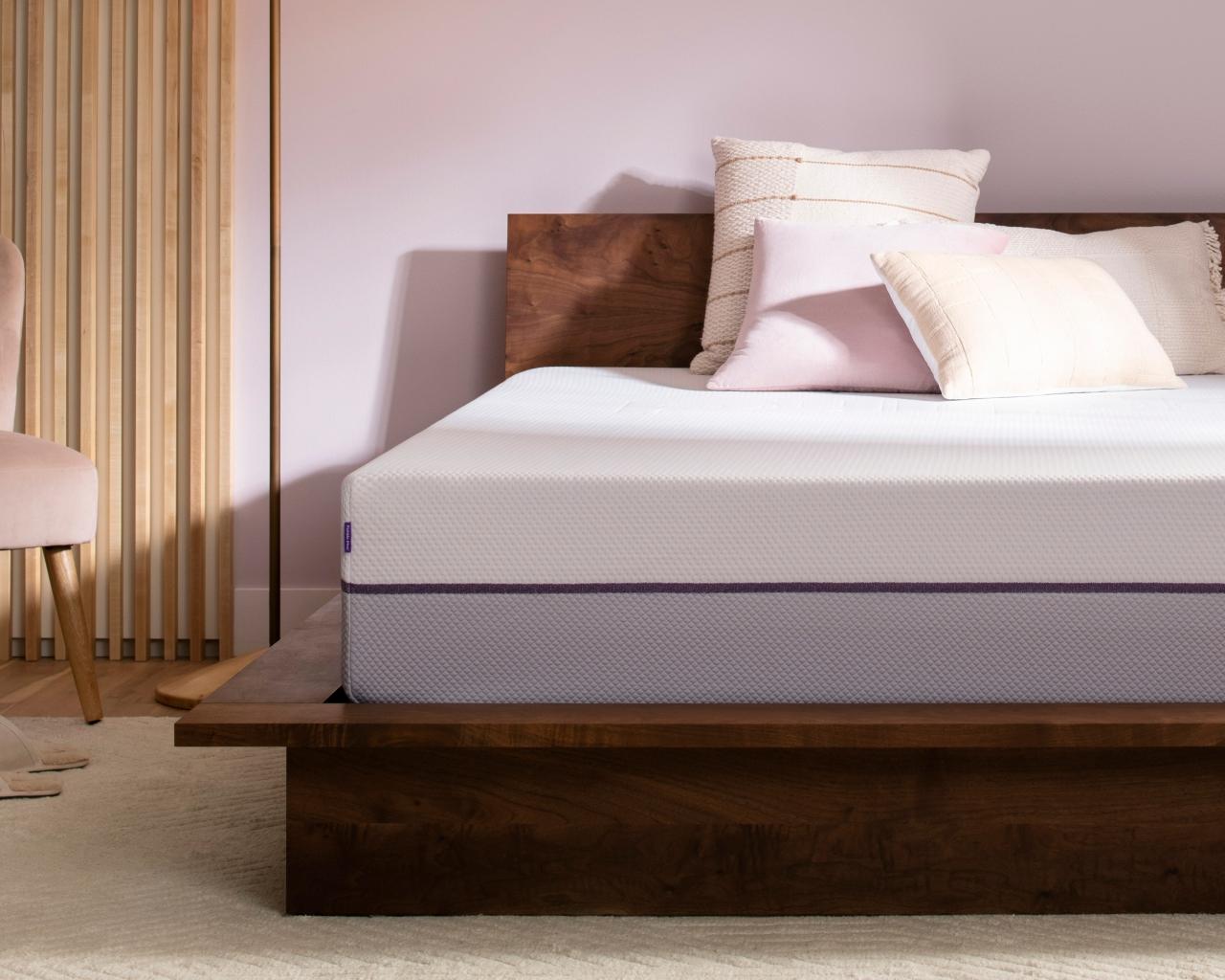 Purple Essential CollectionExperience the instantly adaptive GelFlex® Grid — at our best price.
Cradling comfort from the Purple GelFlex Grid
Easy, fast delivery
-
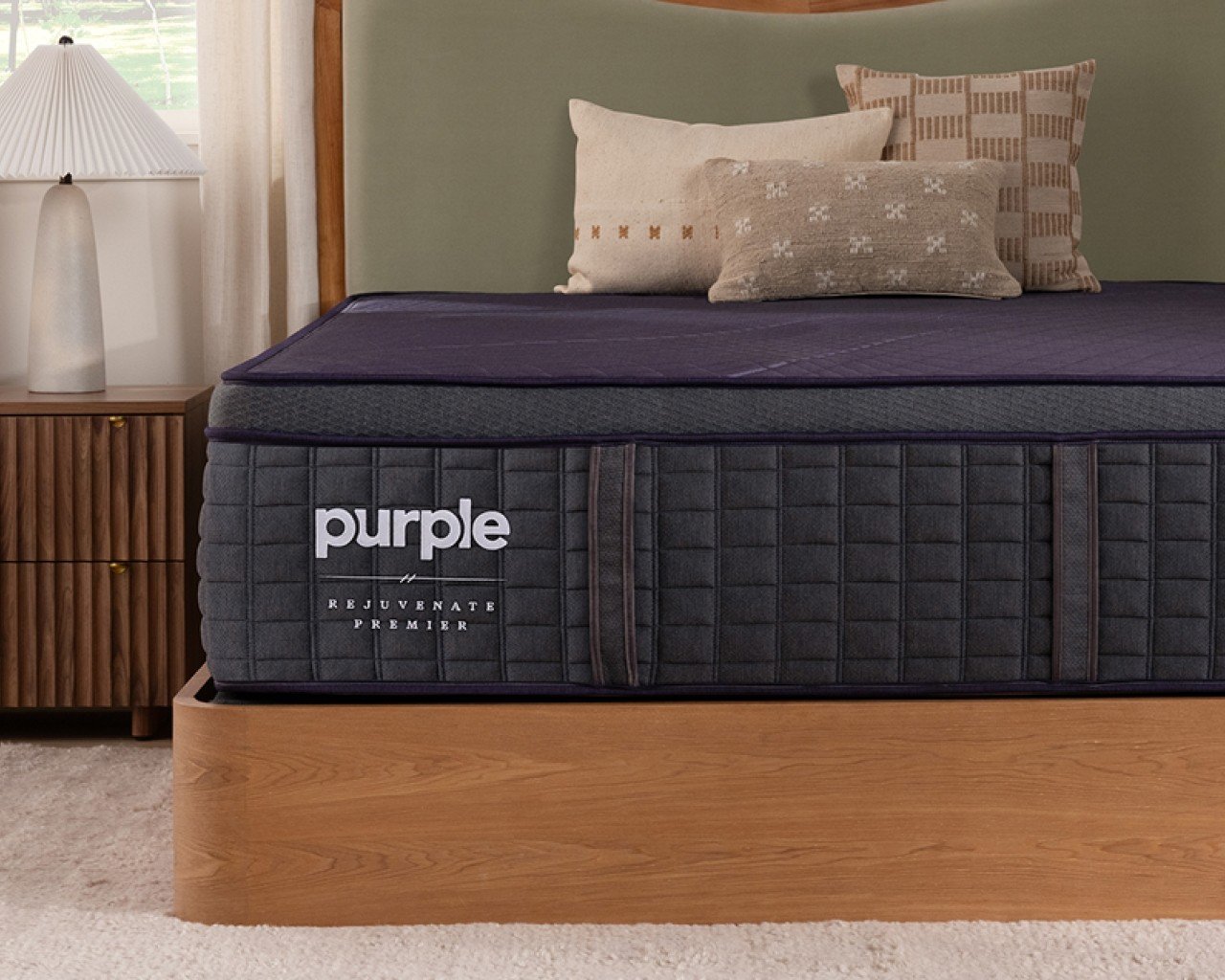 Rejuvenate Luxe CollectionQuilted Euro Top, enhanced comfort layers + hybrid construction offer maximum support.
All-new DreamLayer™ for soothing surface comfort
Layered Grid offers exceptional, full-body pressure relief
Adaptive Response Foam unlocks the Grid’s full comfort potential
Responsive coils maximize mattress cooling, longevity + stability


