How To Sleep With Hip Pain: 9 Tips To Relieve Hip Pain at Night + Common Causes


Key Takeaways
- Hip pain at night has many causes, ranging from conditions like arthritis, bursitis, and tendonitis to simpler issues like a misaligned sleep position or an uncomfortable mattress.
- Stretching, applying ice and heat, adjusting your sleep position, and upgrading your mattress can help relieve hip pain.
- Chronic or severe pain should be discussed with a doctor for diagnosis and personalized treatment.
If you experience hip pain at night, chances are you’re not getting quality rest. Getting a pressure-relieving mattress for arthritis is a good start. But knowing how to sleep with hip pain can also go a long way in relieving discomfort and helping you sleep better.
Fortunately, many of the best solutions for how to relieve hip pain while sleeping are also relatively simple. A few daily changes can make a difference.
In this article, we’ll cover some simple tips you can follow to reduce pain at night. If you’re dealing with severe hip pain, please remember that this article is not a substitute for medical advice.
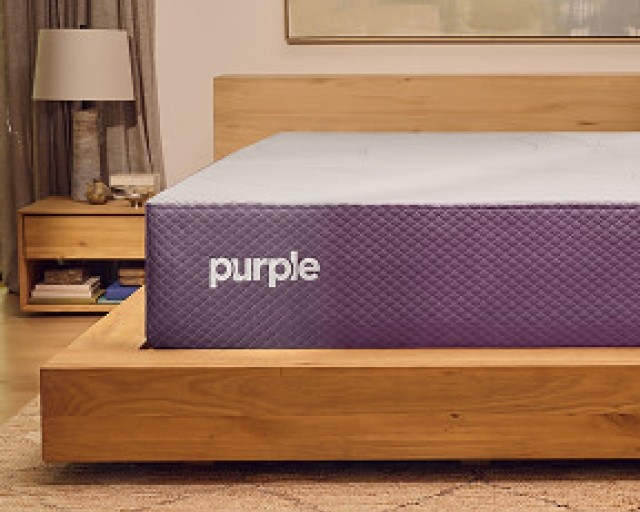
Pressure Relief and Full-Body Support
No other mattress provides the adaptive, cooling comfort of the GelFlex Grid®. Experience superior pressure point relief for yourself.
Let’s take a closer look at the top 9 tips that can help you find the best way to sleep with hip pain.
1. Adjust Your Sleep Position
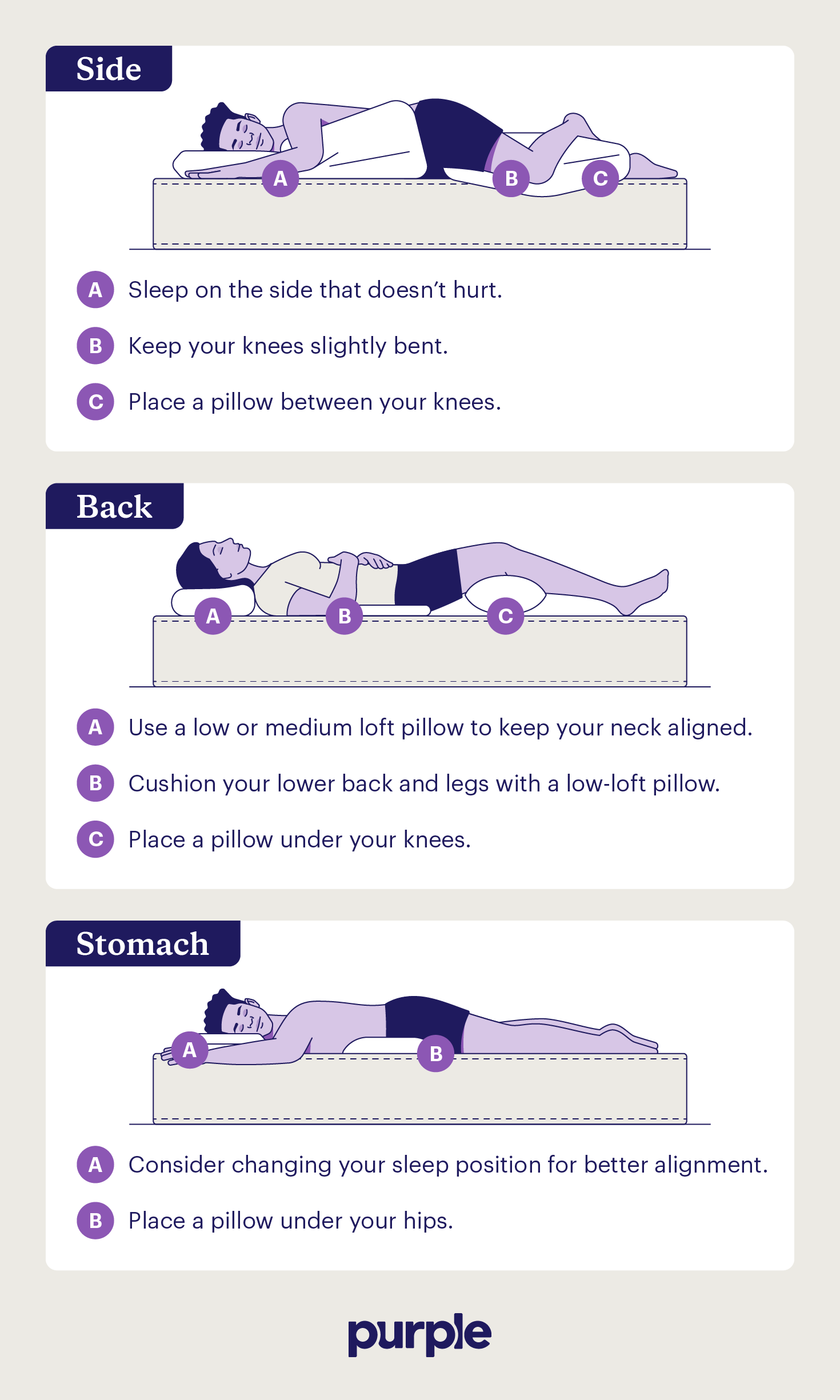
Side sleepers are most likely to experience localized hip pain on the side they sleep on. Sleeping on your side puts extra pressure on that side, which creates added stress for your hips and shoulders. If you’re worried about how to sleep with right hip pain or how to sleep with left hip pain, you might just need to change your sleep position.1
Back sleepers and stomach sleepers naturally put less pressure on their hips during sleep. Despite this, stomach sleeping usually isn’t recommended because it can cause spinal misalignment.
Training yourself to sleep on your back is generally the best way to manage sleep with hip pain, provided you have the right amount of pressure relief and support from your mattress.
2. Upgrade Your Mattress
A bad mattress could also be to blame for nighttime hip pain. A mattress that doesn’t provide enough cushioning and support can put extra pressure on the hip joints, potentially worsening discomfort.
Generally, medium to medium-firm mattresses with specific zones to relieve pressure on the hips and shoulders provide the right balance of comfort and support. Firm mattresses are often too hard for people with hip pain. Of course, the “right” mattress ultimately depends on your personal preferences. Choose what feels most comfortable to you.
Purple mattresses, such as the RestorePlus®, are a great fit if you’re looking for zoned support. The RestorePlus® has three distinct zones to provide targeted support for the hips, shoulders, and other pressure points.
3. Use Extra Pillows
How you use your pillow can also help relieve hip pain. If you experience hip pain when lying on your side, place an extra pillow between your knees to keep your hips in alignment. This pillow will keep your knees evenly stacked above each other so your hips stay aligned.2
For back sleepers struggling with how to sleep with lower back and hip pain, placing an extra pillow under the knees can help keep the spine in alignment and relax the back muscles.3
4. Get the Best Support for Your Mattress
A new mattress isn’t the only upgrade you can make to relieve hip pain while sleeping. The right base or bed frame can also make an impact on your overall comfort and sleep quality.
For example, an adjustable base with a zero gravity setting can elevate your head and feet to more evenly distribute your body weight and reduce pressure on the spine and hips. When paired with a compatible mattress, an adjustable base can provide the customizable support you need.
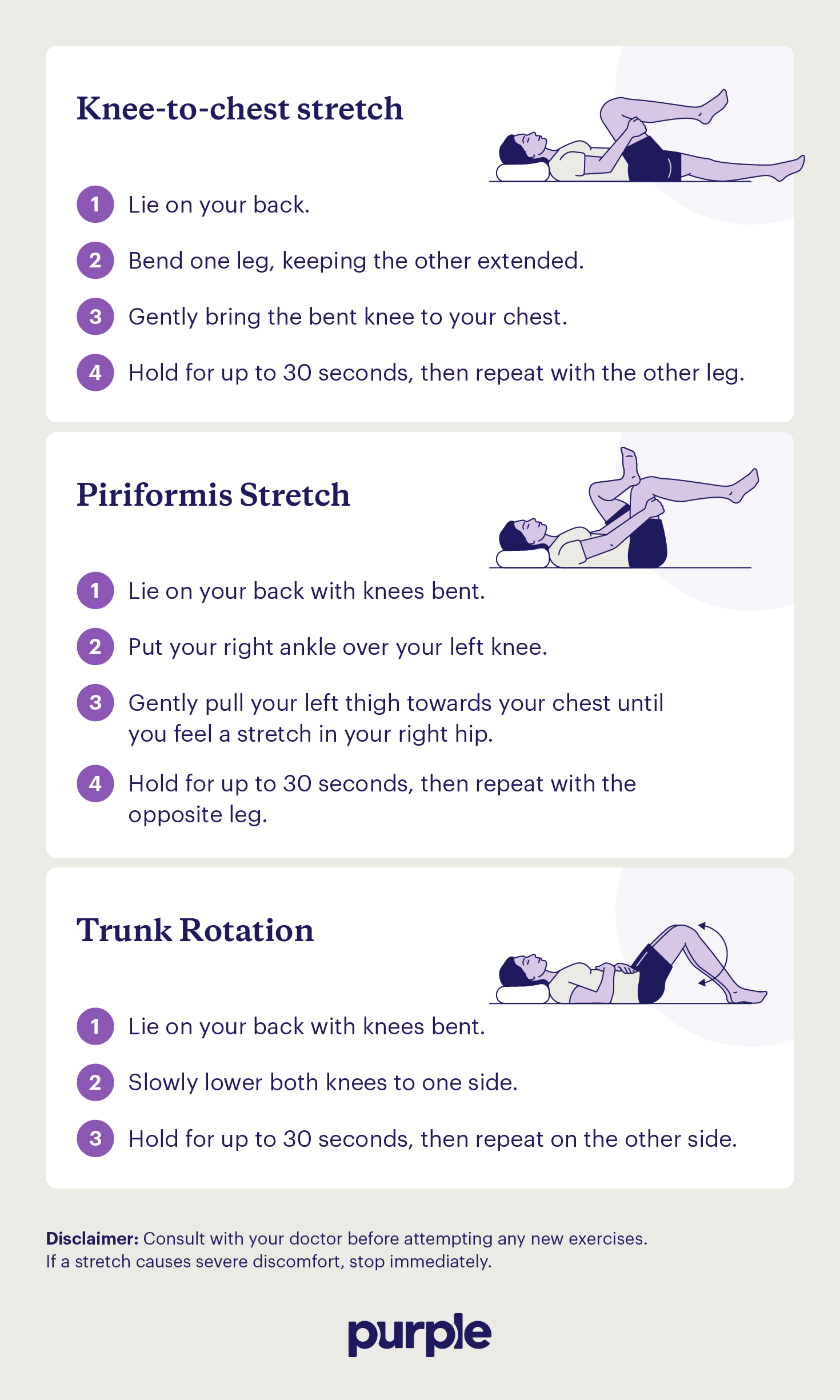
5. Stretch Regularly
What you do during the day can also help relieve hip pain while sleeping. Consistent stretching can help strengthen the hips, reduce stiffness, increase mobility, and reduce pain, so you can find ways to sleep with hip flexor pain, chronic inflammation, or other conditions.
A wide range of seated and standing exercises can stretch and strengthen the hips, including knee lifts, butterfly stretches, hip extensions, mini squats, and chair stands. If you have more severe pain, following a customized physical therapy program will help you stretch safely.4
6. Apply Ice or Heat
You can also relieve hip pain by applying ice and heat. Either alternate between hot and cold packs or stick with the one that seems to work best for you.
Applying an ice pack to your skin for 10 to 20 minutes can help numb the hips and reduce pain. Make sure to have an extra cloth between the pack and your skin. With heat pads, you can apply the heat for 20 to 30 minutes at a time, usually two to three times a day.5
7. Take Over-the-Counter Medication
Over-the-counter medications can also provide pain relief. Oral medications, such as acetaminophen (Tylenol), ibuprofen (Advil), and naproxen (Aleve), can help reduce inflammation. Applying a pain-relieving gel, cream, or patch can also provide targeted pain relief to your hips.
If you use over-the-counter medication for hip pain, be sure to follow the dosage instructions carefully. It’s also a good idea to consult your physician for extra guidance on using these medications.
8. Wear a Compress
Wearing a hip brace, compression sleeve, or wrap can help stabilize the hip and promote proper blood flow. The pressure may reduce swelling from injuries, and the added support for the hip joint can reduce pain at night.
9. Talk To Your Doctor
Persistent and acute hip pain that doesn’t go away could be a sign that your pain is linked to a more serious condition, such as arthritis or sciatica. You should discuss ongoing hip pain with your primary care doctor or a specialist to get a full evaluation and diagnosis.
Based on what they find, your doctor will be able to provide additional recommendations for how to sleep with hip pain based on your specific symptoms and existing health conditions.
What Causes Hip Pain at Night?
There are several potential reasons why you might experience hip pain at night, ranging from injury and chronic health conditions to simpler issues like a bad mattress.
Here are some of the most common culprits to be aware of:
- Trochanteric bursitis: This condition occurs when the bursa on the outer hip becomes inflamed. Pain can extend down the thigh, and be sharp and intense or a persistent ache.6
- Arthritis: Arthritis, an inflammation of the joints, is another common cause of hip pain. Osteoarthritis is caused by damage to your cartilage, while rheumatoid arthritis and ankylosing spondylitis are autoimmune conditions.7
- Tendonitis: Hip tendonitis is caused by overuse of the hip tendons, usually from activities like running or cycling.8
- Greater Trochanteric Pain Syndrome (GTPS): GTPS occurs when the soft tissues that cover the hip bone become irritated, often from injury, increased pressure or activity, or hormonal changes.9
- Referred pain: Referred pain or radiating pain conditions, such as sciatica, can cause hip pain when certain nerves are irritated or compressed, even though the actual injury occurred somewhere else.10
- Injury: Muscle injuries and strains in the hips can cause pain at night, especially if you sleep on your side.
- Surgery: Discomfort and pain are common when recovering from surgery, especially for procedures like a hip replacement.
- Poor posture: Poor posture can tighten your hip flexors and irritate the nerves and bursa.
- Misaligned sleep position: If your sleep position contributes to hip pain at night, you might need to adjust how you sleep. Try to sleep on your back to help relieve pressure on your hips.
- Uncomfortable mattress: A mattress that doesn’t provide enough support may put added pressure on your hips, which increases pain.
Knowing what is causing hip pain can help you find the best strategies to control that pain both day and night. Depending on the source of your hip pain, upgrading your mattress can be a great way to reduce discomfort and get the support and pressure relief you need.
When To See a Doctor for Hip Pain at Night
If you have concerns about experiencing hip pain at night, it’s a good idea to consult a medical professional. A doctor may recommend home remedies similar to the tips in this article or other solutions based on your medical history. If pain is persistent and at-home remedies aren’t working, you should contact your doctor for extra guidance and support.
You should also see a doctor if your hip pain is associated with an injury or shows signs of infection. Warmth and redness around the hips may be a sign of an infection, while severe pain, swelling, or numbness may also necessitate treatment.
Ultimately, it’s best to keep your doctor in the loop any time you have concerns about hip pain or other sleep-related issues.
How Do You Stop Hip Pain While Sleeping?
Figuring out how to sleep with hip pain can be tricky, since the causes affect what steps will provide the most relief. No matter what’s behind the pain, a more supportive and comfortable bed like Purple mattresses can relieve pressure points for a more comfortable night’s sleep.
One study found that sleepers reported 4x more pressure relief on a Purple mattress compared to their original mattress.* Relieving pressure from sensitive joints can reduce discomfort, making it easier to fall and stay asleep.
*Disclaimer: Survey results from a SleepScore Labs study with subjects sleeping on a Purple Restore Collection mattress for 4 weeks compared to their original mattress.
A quality pressure relief mattress can make a big difference for hip pain at night.
“When you [lie] down on one of our mattresses, it does this thing called column buckling, where it buckles/collapses under your hips and shoulders, where we feel the most pressure [and] pain, while the rest of the columns stay upright to support the rest of your body to keep you in spinal alignment.
Every time you move, the grid will meet your body and instantly adapt and give you pressure relief, and keep you aligned all night long.” — Tracy Jones, Showroom Manager for Purple
The right hip pain relief remedies, combined with a supportive mattress, can help you better manage nighttime hip pain and get the quality sleep you need.
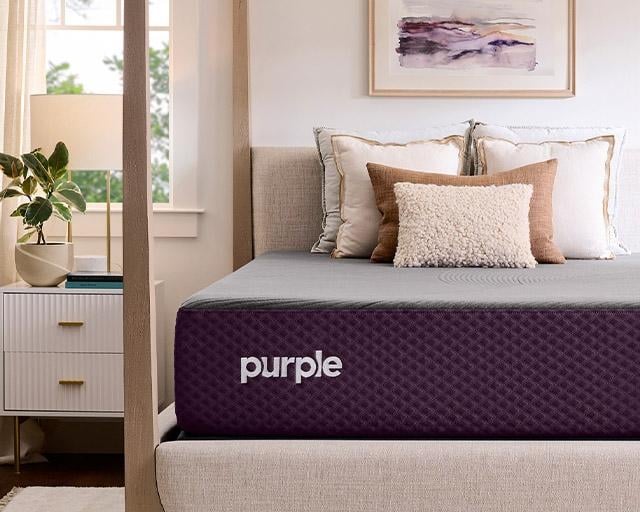
The Comfort and Support You Need
Adaptive layers of foam, coils, and our GelFlex Grid® make the RestorePremier® Hybrid Mattress perfect for keeping side sleepers aligned.
FAQ
There are several potential reasons why your hips could hurt when you wake up, ranging from chronic conditions to a poor sleep environment.
Common causes include:
- An uncomfortable or unsupportive mattress
- Misaligned sleep position
- Arthritis
- Referred pain or sciatica
- Tendonitis
- Poor daytime posture
- Injury
Sleeping on your side can cause hip pain because it puts added pressure on the hip joint. It can also cause your hips to become unaligned, resulting in hip pain when sleeping on either side.1
To relieve hip pain caused by sleeping on your side, consider placing a pillow between your knees or practicing sleeping on your back.2
Hip pain at night can be worse than during the day for a variety of reasons. Side sleeping puts extra pressure on the hip joint, while lying still for a long time can cause inflammation buildup.1 An uncomfortable mattress can also worsen hip pain by not providing enough cushioning and support.
Burning hip pain at night that radiates down the leg could be caused by several different conditions, including:
- Sciatica
- Osteoarthritis
- Trochanteric bursitis
Sciatica can cause hip pain at night, especially if your sleep position puts more pressure on the sciatic nerve. Pain from the sciatic nerve will often radiate from the lower back and down the leg.11
Muscle-related hip pain is usually on the outside of the hip joint and feels more generalized. Heat usually helps relieve the pain. Bone-related hip pain can be deeper, located toward the front of the hip, and gets worse with weight-related activities.12
More To Explore
Level up your sleep routine with our most-loved products.
-

Purple Premium Plus Smart Base
From Is dollars Is now dollarsShop Purple Premium Plus Smart BaseCutting-edge smart base tech revolutionizes rest + recovery
-
Targets back pain
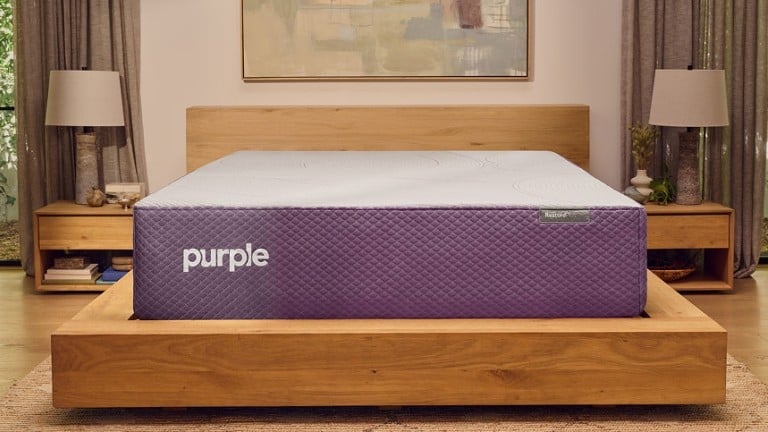
RestorePlus® Hybrid Mattress
From Is dollars Is now dollarsShop RestorePlus® Hybrid MattressDeeper 3" GelFlex Grid + zoned coils for targeted comfort, support, and spine alignment.
-
Best sellerSpecial offer
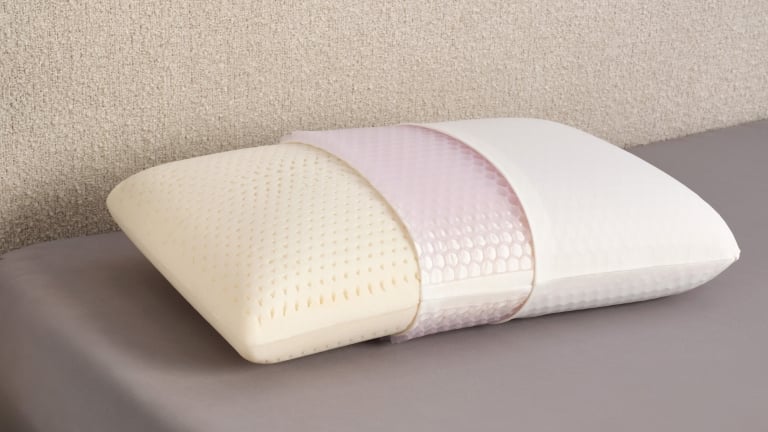
Purple Harmony® Pillow
From Is dollars Is now dollarsShop Purple Harmony® PillowInstantly responsive + doesn’t fall flat
About the authors

Sydney brings more than five years of experience writing about a range of topics including health, lifestyle, and technology. They have a B.A. in Creative Writing and Literature from Lebanon Valley College. They’re a big fan of sharing dreams and discussing symbolism for fun. Sydney is always searching for tips to improve their sleep quality and hopes to help others get the best sleep possible with their writing.

Tyler Wright is a Senior Product Manager of mattresses. With over 10 years of experience in product development, he is dedicated to developing innovative products that enhance and improve lives. At Purple that means building products that help people get the best sleep ever.
Related Articles


-
 Restore Hybrid CollectionStep up with a hybrid construction for enhanced pressure relief, support + up to 4x more cooling.*
GelFlex Grid + comfort layers for enhanced pressure relief
Maximum cooling — up to 4X cooler2 than competitors
Coil System provides responsive support
-
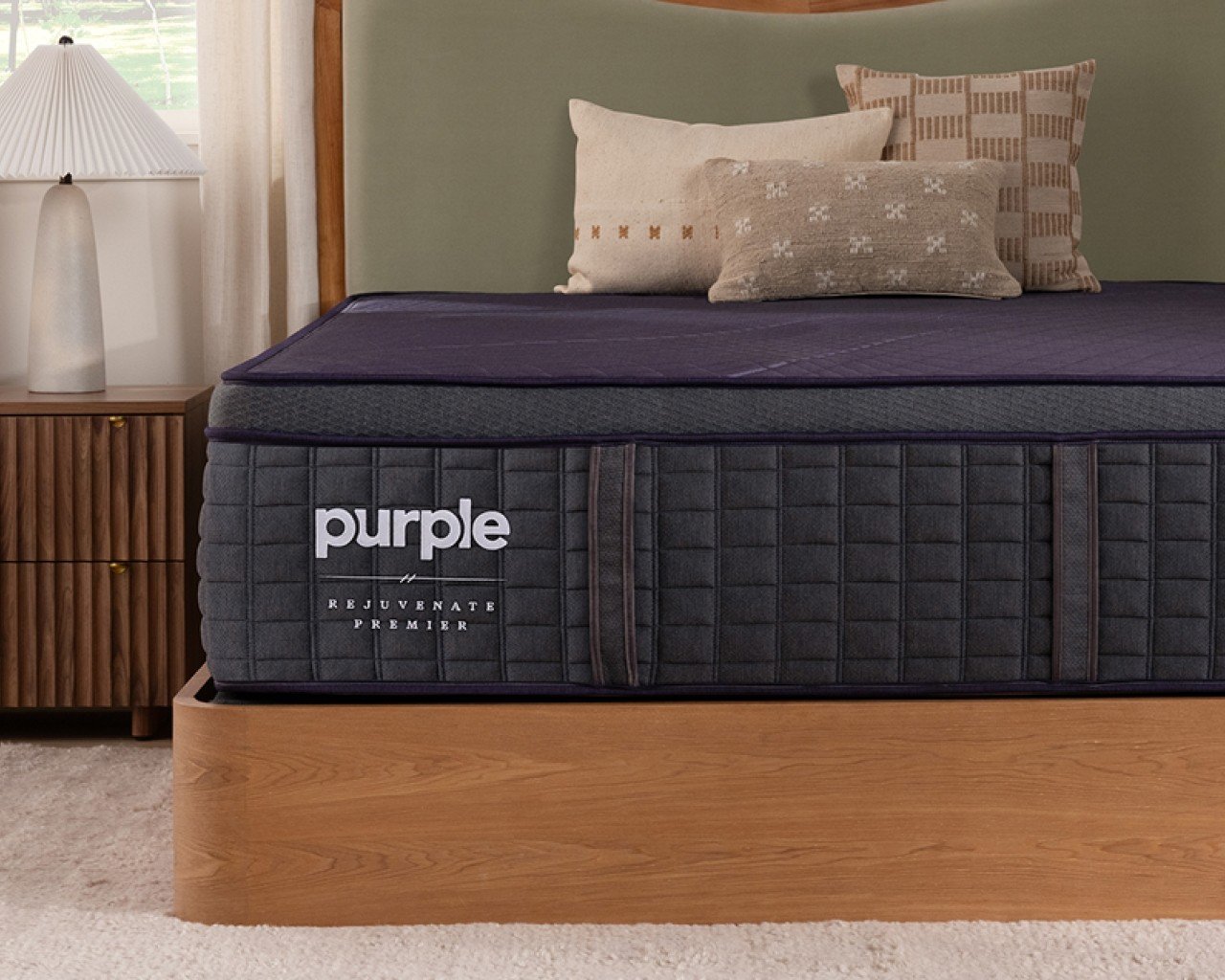 Rejuvenate Luxe CollectionQuilted Euro Top, enhanced comfort layers + hybrid construction offer maximum support.
All-new DreamLayer™ for soothing surface comfort
Layered Grid offers exceptional, full-body pressure relief
Adaptive Response Foam unlocks the Grid’s full comfort potential
Responsive coils maximize mattress cooling, longevity + stability
-
BUOYANT + RESPONSIVE
Purple Essential CollectionExperience the instantly adaptive GelFlex® Grid — at our best price.Cradling comfort from the Purple GelFlex Grid
Easy, fast delivery


