
Sleep Calculator: How Much Sleep Do I Need? + How To Find Your Ideal Sleep Schedule


How much sleep do I need?
- Most teens and adults need at least 7 hours, while younger children need 10-12 hours each night.1
If you regularly wake up tired or can’t fall asleep, you may need to adjust your sleep schedule. Use the sleep calculator below to learn how much sleep you actually need, when to go to bed, and when to wake up.
Sleep Calculator
Get three options for your ideal sleep schedule based on your age, lifestyle, and unique needs with our sleep cycle calculator.
For personalized sleep schedule recommendations:
- Choose your age range.
- Select whether you want to determine your ideal bedtime or wake-up time.
- Input when you want to wake up or fall asleep.
- Get recommendations for when to wake up or go to sleep.
Using a sleep time calculator can help you choose a restful sleep schedule that suits your lifestyle, but you’ll need to try to stick to your new routine and improve your sleep quality.
How Many Hours of Sleep Do You Need?
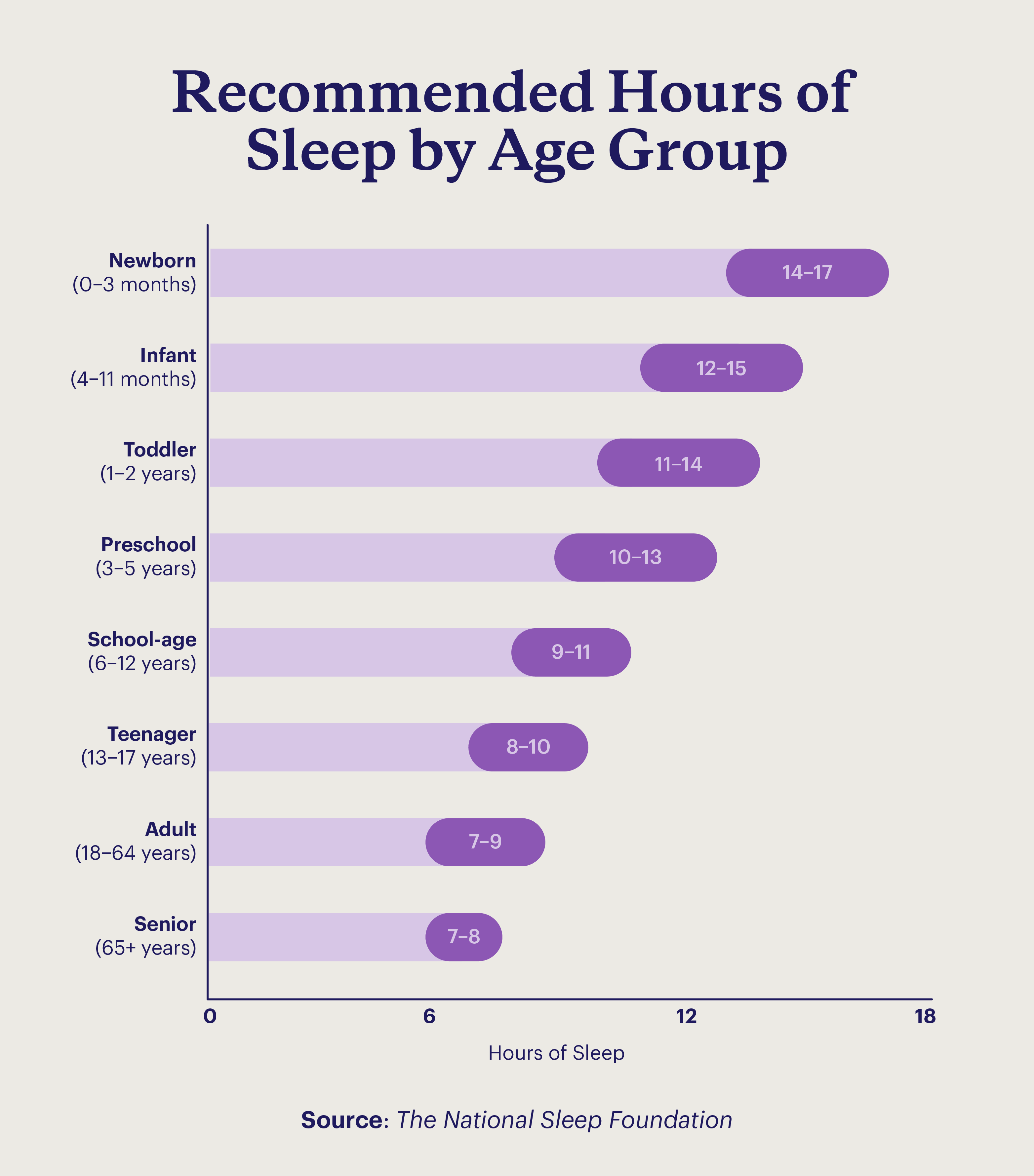
The National Sleep Foundation advises that you should get different amounts of sleep based on your age.1 As we get older, we generally need less sleep, though individual needs may vary.
If you’re trying to fix your sleep schedule, consult the sleep chart by age below to determine how much sleep you should aim to get each night.
Age Group | Age Range | Recommended Daily Sleep |
Newborn | 0-3 months | 14-17 hours |
Infant | 4-11 months | 12-15 hours |
Toddler | 1-2 years | 11-14 hours |
Preschool | 3-5 years | 10-13 hours |
School-age | 6-12 years | 9-11 hours |
Teenager | 13-17 years | 8-10 hours |
Adult | 18-64 years | 7-9 hours |
Older adult | 65+ years | 7-8 hours |
How much sleep you need every day depends on many factors, and recommended hours of sleep by age is only one piece of the puzzle. Your sleep schedule should be personalized to what you need and prefer, though research suggests you should generally aim for the recommended range for your age group.2
In addition to your age, the amount of sleep you need may vary depending on your:
- Physical activity: Individuals who are more physically active or have labor-intensive jobs may need more sleep to fully recover.
- Health: You may need to sleep more when you’re sick or injured to give your body time to heal.
- Stress: Elevated levels of stress can have a negative impact on your health as well as your rest.
- Sleep quality: If you wake up often through the night or sleep in a position that makes you sore, you may need more sleep than what you’re currently getting.
- Sleep debt: The longer you go without sufficient sleep, the larger your sleep debt becomes, which can contribute to chronic fatigue and sleepiness.
Adjusting Your Sleep Schedule
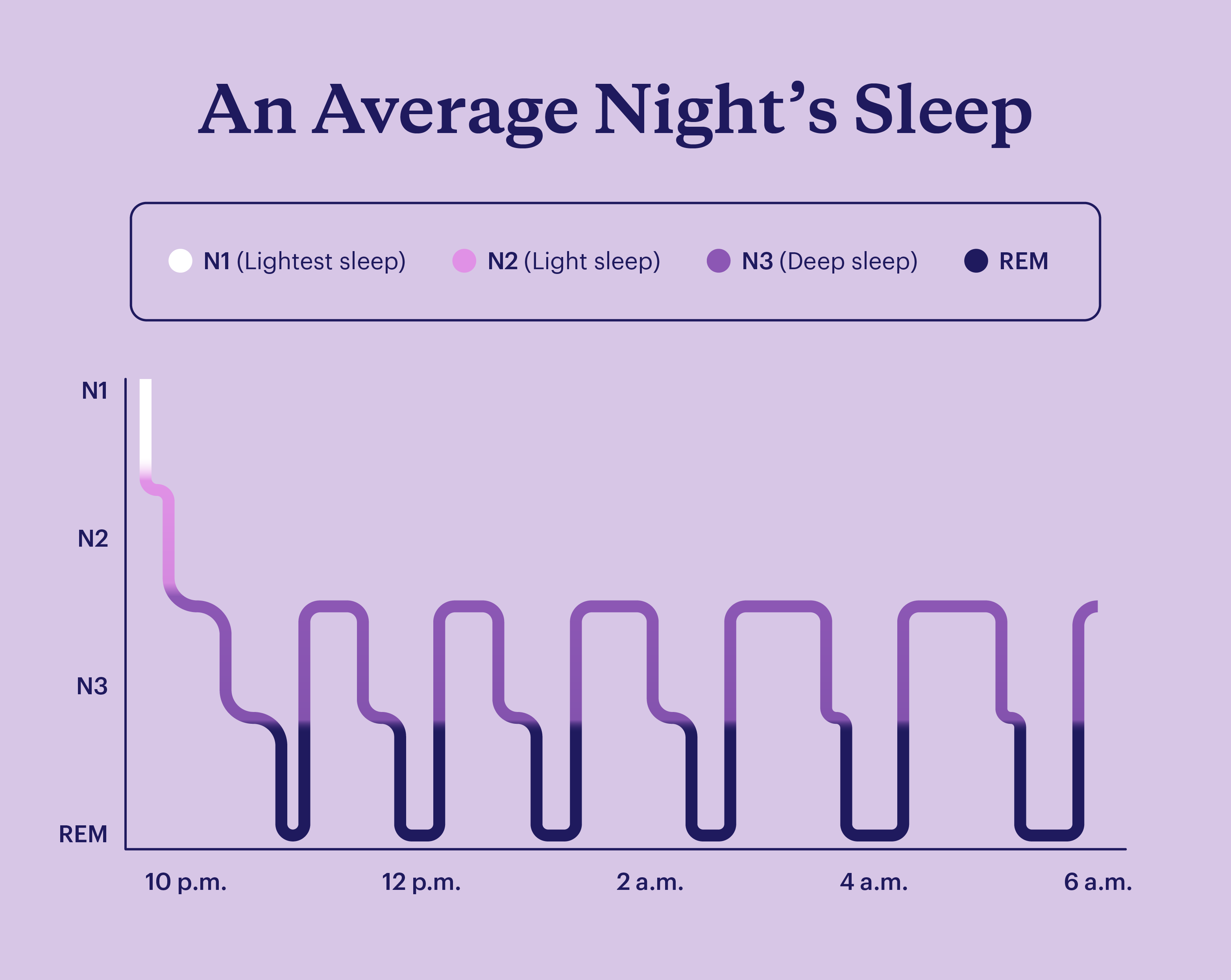
Knowing how many hours of sleep you need is only the beginning. Waking in the middle of a cycle, especially during NREM sleep, can be disruptive and may result in grogginess, negative mood, and low performance.3
Adjusting your sleep schedule to meet your sleep needs means setting and sticking to bedtimes and wake-up times to the best of your ability.
Whether you’re changing the time you go to sleep or wake up, or if you’re completely overhauling your sleep schedule, make sure you account for the recommended amount of sleep for your age group as well as your unique needs and preferences.
What Time Should I Go To Bed?
As an adult, bedtime routines can be challenging to maintain. Start by determining when you should go to sleep based on your:
- Wake-up time: If you have to get up by a certain time, you can work backward and plan to go to bed at a time that ensures you get enough sleep.
- Circadian rhythm: Your circadian rhythm controls the production of melatonin in your body, and factors like your habits, sleep environment, and working shift can affect when you feel tired.
- Personal preference: If you’re a night owl or early bird, you can adjust your sleep schedule enough to get plenty of rest without changing your lifestyle.
When choosing a time to go to bed, remember that it typically takes around 15 minutes to fall asleep. Ultimately, you should listen to your body, adopt a relaxing bedtime routine, and take steps to create a comfortable sleep environment so you can sleep well and wake up refreshed.
What Time Should I Wake Up?
Choosing an ideal wake-up time can ensure you get enough restorative core sleep (N3 and REM). When you should set your alarm depends on your daily schedule, whether that’s when you need to go to work, attend class, or start running errands.
The best time to sleep and wake up should account for:
- Your bedtime: Consider when you go to bed to make sure you can get enough sleep between when you lie down and get up.
- Lifestyle: Whether you like staying up late or getting up before dawn, your wake-up time should account for your nighttime and morning preferences, habits, and obligations.
- Sleep cycles: Waking up in the middle of a sleep cycle can lead to grogginess. Try sticking to 4-6 cycles to avoid sleep disruptions.
When choosing when to set your alarm, aim for consistency. Sticking to a set wake-up time can make it easier to wake up, help you maintain your circadian rhythm, and get the amount and quality of sleep you need.
What Happens if You Don’t Get Enough Sleep?
Some people claim they can survive on a few hours of sleep, while others could easily snooze the day away. Everyone has different sleep needs, but going too long without enough quality rest can result in:
- Daytime grogginess: Insufficient sleep can leave you feeling tired all day, draining your energy levels.
- Cognitive impairment: Sleep deprivation can cause difficulties in concentration and memory, impairing your ability to function.
- Moodiness: Disrupted sleep can cause mood changes such as increased stress, anxiety, and depression.4
- Metabolic changes: Lack of sleep can contribute to changes in your metabolism, which could affect your appetite and result in weight fluctuation.5
How To Tell if You’re Getting Enough Sleep
You likely know when you’re sleep deprived because you feel groggy, irritable, or physically unwell. But how do you know if you’re getting enough sleep?
You Wake Up Feeling Refreshed
The most straightforward way to know you’re sleeping enough is when you wake up refreshed and ready to take on the day more often than not. Trouble sleeping every now and then is normal, but you likely get enough sleep if you usually feel well-rested and can get out of bed easily.
You Can Wake Up Without an Alarm
If you wake up naturally after around 8 hours and don’t feel like you need to go back to sleep, chances are you’re getting enough rest already. Waking up without an alarm also means that you’re likely to complete full sleep cycles.
Dreaming can also suggest you’re getting enough sleep; if you can remember one-off or recurring dreams, that may mean you are getting ample REM sleep. On the other hand, you may be more likely to remember dreams if you wake up in the middle of your REM cycle, so that may contribute to some grogginess, as well.
You Feel Alert and Productive During the Day
Even when you have a hard time getting out of bed in the morning, that doesn’t necessarily mean you need more sleep. If you can get moving and focus on your daily tasks well enough, that’s a sign that the amount and quality of your sleep may be sufficient.
You Don’t Need a Nap or Caffeine Boost
Depending on your job, lifestyle, and habits, you may start to feel tired as the day goes on. If you feel like you need an espresso or a power nap to get through the day, that may suggest you’re not sleeping enough at night.
You Don’t Crash On Weekends
Keeping a consistent sleep schedule throughout the week is a healthy habit — including on the weekends. Maintaining this good practice even on days you don’t have to work or go to class may mean you don’t sleep in as much or feel worn out by the time the week is over.
How To Improve Your Sleep Quality
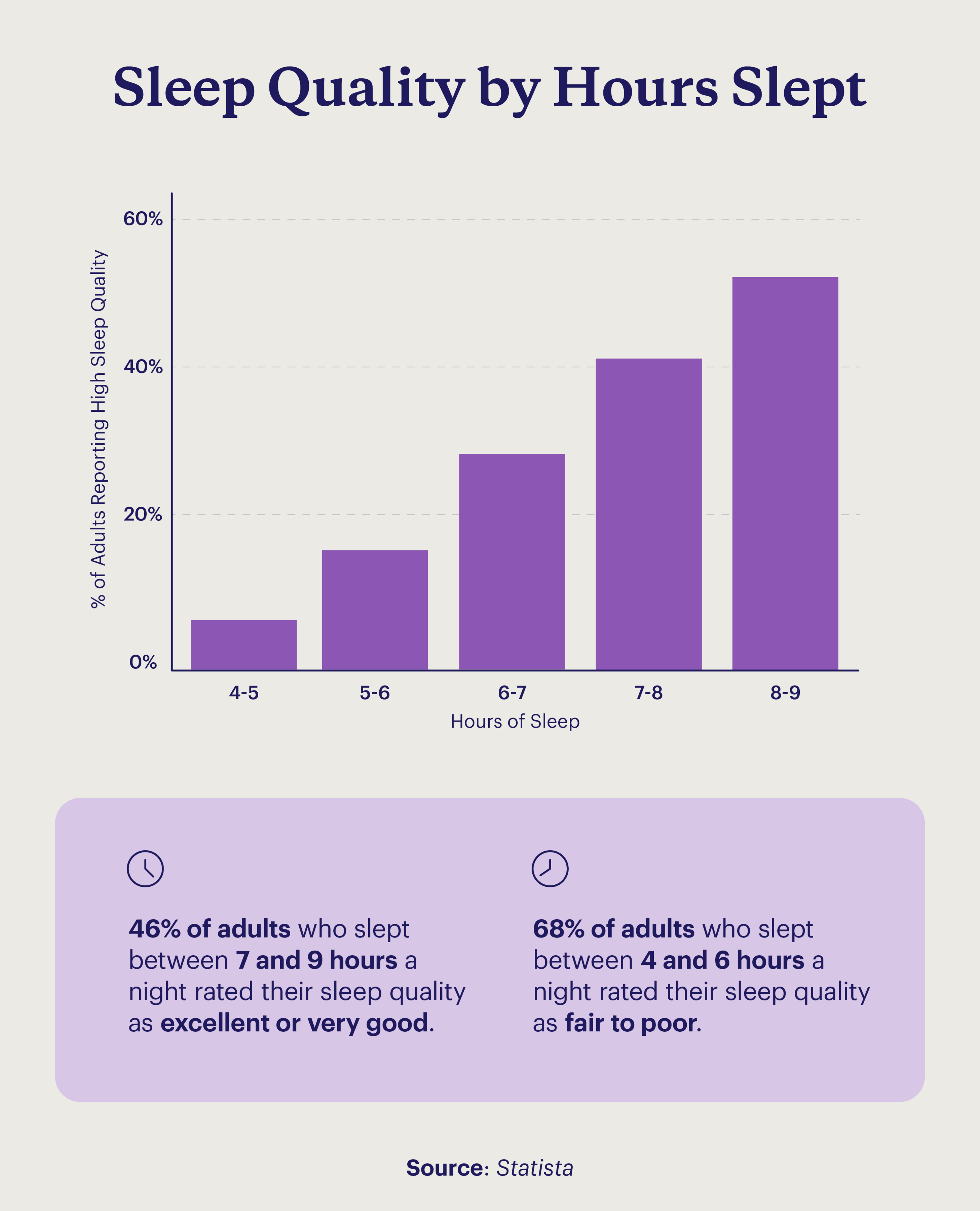
Depending on your lifestyle and unique sleep needs, you may need seven to 10 hours or more to get enough restorative rest. But the quality of your sleep matters just as much as how long you stay in bed.
Sleep disruptions and your daily habits can contribute to poor sleep quality. Whether you can’t get comfortable in bed or you wake up feeling tired, consider these 10 tips to improve your sleep health.
1. Upgrade Your Mattress
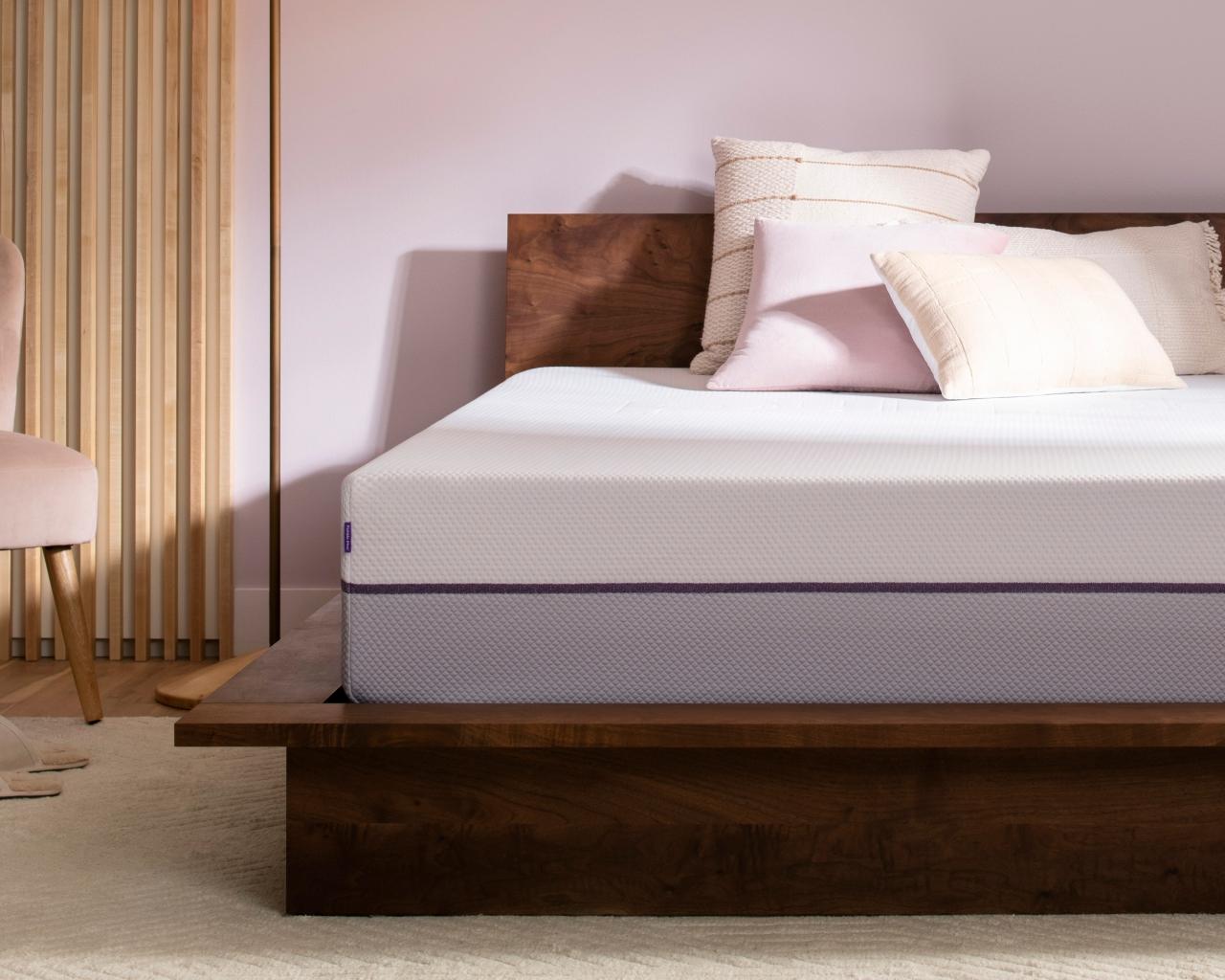
A high-quality mattress can help you fall asleep more easily and enhance the quality of your sleep. In a recent study, participants reported a 93% increase in how easy they felt it was to fall asleep each night when sleeping on a Purple mattress.*
*Disclaimer: Survey results from a SleepScore Labs study with subjects sleeping on a Purple Restore Collection mattress for 4 weeks compared to their original mattress.
Look for a mattress that relieves your pressure points, supports your spine, and keeps you comfortable. Purple mattresses feature the GelFlex Grid®, designed to promote better sleep by cradling your joints and keeping you cool.
2. Invest in Comfortable Pillows
Your pillow should support the curves of your head and neck. Different types of pillows may be better suited to your sleep style, but your personal preference for pillow height, material, and feel may vary.
Ultimately, you should invest in a pillow that’s supportive and offers proper airflow to maximize your comfort. Purple offers GelFlex Grid® and down alternative pillows to suit a wide range of sleep styles and personal preferences.
3. Get the Right Mattress Support
Choose a durable bed foundation that supports the combined weight of sleepers, bedding, and your mattress. You can also customize your sleep angle for more comfort with an adjustable base for a mattress.
Whether you’re looking for a simple flat foundation or a premium adjustable base with head and foot elevation, Purple has you covered with options designed to maximize the properties of your Purple mattress.
4. Change Your Sleep Environment
Your sleep environment naturally affects the quality and duration of your sleep. If you want to fall asleep more quickly, try making your sleep environment dark, cool, and comfortable by:
- Turning down the temperature
- Dimming the lights before getting ready for bed
- Blocking natural light with opaque curtains
- Using comfortable bedding
With a suitable sleep environment, you’ll have an easier time falling and staying asleep, which can help you maintain a consistent sleep schedule.
5. Mind Your Circadian Rhythm
Your body’s biological clock has evolved to interpret light and rising temperatures as a sign to wake up. Sleepers who fall outside the day-night cycle can develop delayed sleep phase syndrome (DSPS). People with DSPS may change their sleep schedules to match the standard workday, resulting in insomnia, excessive daytime sleepiness, and depression.6
If this sounds familiar, you can gradually shift when you go to bed and try light therapy to recondition your body.
6. Get More Natural Light
Even if your circadian rhythm aligns roughly with the day-night cycle, exposure to light can affect your sleep quality. Since our bodies are adapted to the natural progression of night and day, exposing yourself to natural light during the day can help reinforce a healthy sleep cycle.
Try to reserve your exposure to bright light when you need to be awake, and keep your bedroom dark when you’re trying to sleep to avoid disrupting your circadian rhythm.
7. Block Out Blue Light
Blue light from smartphones, laptops, and other devices contributes to interruptions in melatonin production. Whenever possible, limit screen use before bed to minimize the risk of disruption. Use the Night Light setting on your devices, or wear blue light-blocking glasses or contacts, as well.
You can also cover your bedroom windows with blackout curtains or blinds and try wearing a sleep mask to prevent excessive light exposure.
8. Begin Your Nighttime Routine Early
Whether you’re too stressed to sleep or you just want to calm down, try relaxation techniques like meditation or simply engage in quiet, relaxing activities like reading to get yourself in the right mindset.
9. Mute Noisy Distractions
Sounds like traffic noise and intermittent dripping can disrupt your sleep, keeping you up or waking you before your alarm.
Removing the source of disruptive noises can help you relax. If the sounds are outside of your control, drown out disruptive noises with a white noise machine or other source of background noise.
10. Avoid Afternoon Caffeine
Caffeinated beverages like coffee and soda can help you focus during the day, but too much caffeine can make it difficult to sleep. Research suggests you should avoid consuming caffeine for at least six hours before going to bed to prevent disruptions.7
11. Move Your Body
Getting enough exercise may help you sleep better. While exercising too close to bedtime can make it difficult to fall asleep, research suggests that regular exercise, like gentle yoga, can improve sleep quality and may be useful in treating sleep disorders like insomnia.8,9
12. Try Melatonin
When exposed to prolonged darkness, the human body produces melatonin, a hormone that promotes sleep. Depending on your bedtime habits, morning routine, and exposure to light throughout the day, you may still have trouble sleeping.
Studies have shown that taking melatonin supplements can have a positive effect on sleep duration and quality.10 The effects of melatonin can last four to 10 hours, but it may take up to two hours before you feel drowsy. Talk to your doctor before taking a supplement like melatonin.
Get the Quality Sleep You Need With Purple
If you want to get deeper sleep and adjust your sleep schedule, using a sleep calculator is a great place to start. But if your sleep setup isn’t comfortable or supportive enough, your sleep quality may still suffer.
Purple offers innovative sleep solutions to enhance your sleep experience and provide unparalleled pressure relief, full-body support, and breathability. It isn’t enough to change up your sleep schedule. Consider investing in a mattress that supports your sleep style so you can get the restorative rest you need.

Sleep Better With Purple
Only Purple mattresses feature the GelFlex® Grid, the sleep technology designed to instantly adapt as you move for maximum comfort.
FAQ
Sleep cycles typically last between 90 and 120 minutes.3 You will spend different lengths of time in each stage of the sleep cycle, broken down into the following amounts:
- Stage 1: 1-10 minutes (approximately 5%)
- Stage 2: 10-25 minutes (approximately 45%)
- Stage 3: 20-40 minutes (approximately 25%)
- REM: 10-60 minutes (approximately 25%)
On average, you should complete four to six sleep cycles every 24 hours to rest and recover. With each cycle lasting approximately 90 minutes, adults need between six and nine hours of sleep every day.11
There is no consensus on how much REM sleep is necessary. Adults typically get approximately 90-135 minutes of REM sleep with six to nine hours of sleep.
Some individuals can function on six hours of sleep or less, but in most cases, six hours of sleep is not enough to feel rested and refreshed. Adults typically need at least seven hours of sleep each night, while children and teenagers require upwards of nine hours of sleep.
Sleeping for 10 hours each night may be too much for most adults and could suggest insufficient sleep quality or underlying issues. Oversleeping may be symptomatic of conditions like diabetes, depression, and heart disease, but it may simply indicate a sleep issue.12
If you frequently sleep more than 8 or 9 hours each night, you may want to consult your doctor.
For most teens and adults, seven hours of sleep is the minimum recommended amount, but some individuals may need more. If you still feel tired after seven hours of sleep, you may need to spend more time in bed.
Only sleeping for five hours each night is generally insufficient for most adults. Occasionally getting less sleep may leave you tired, groggy, or unfocused, but as long as you usually get more sleep at night, five hours of sleep shouldn’t have long-term health effects.
No, four hours of sleep in one night is not enough for adults or children to rest, recover, and function.
Sleep debt occurs when you get much less sleep than you should be getting. Lack of sleep can accumulate and lead to memory problems, difficulty focusing, and mood fluctuations.
It’s possible to recover, but you won’t be able to do it in a weekend.13
Instead of one, extra-long snooze session, try adding an extra hour or two of sleep to your nightly schedule over the course of a few weeks or months. If possible, allow yourself to wake up naturally to encourage your body’s natural rhythm.
More To Explore
Level up your sleep routine with our most-loved products.
-
Our coolest sleep

RestorePremier® Hybrid Mattress
From Is dollars Is now dollarsShop RestorePremier® Hybrid MattressOur most immersive feel—precise relief for hips & shoulders, with 3" GelFlex Grid + independent foam pillars.
-
Bestselling quick ship
PurplePlus® Mattress
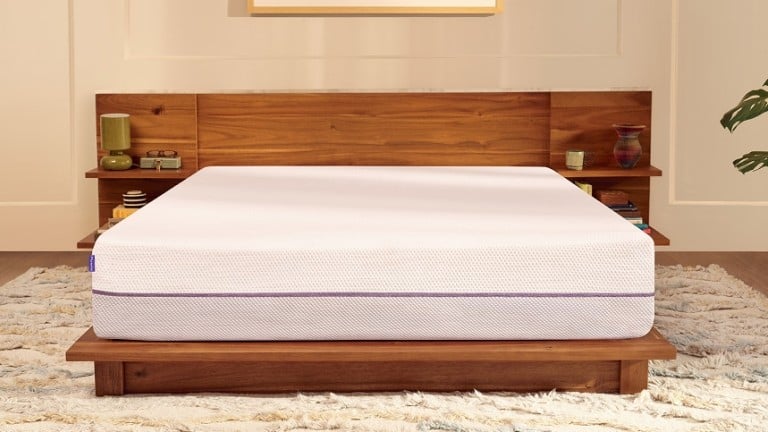
From Is dollars Is now dollarsShop PurplePlus® MattressCradling support that never traps heat + isolates motion to avoid disruptions.
-

Purple Adjustable Base
From Is dollars Is now dollarsShop Purple Adjustable BaseSleep or sit up at your perfect incline
Related Articles


-
 Restore Hybrid CollectionStep up with a hybrid construction for enhanced pressure relief, support + up to 4x more cooling.*
GelFlex Grid + comfort layers for enhanced pressure relief
Maximum cooling — up to 4X cooler2 than competitors
Coil System provides responsive support
-
 Rejuvenate Luxe CollectionQuilted Euro Top, enhanced comfort layers + hybrid construction offer maximum support.
All-new DreamLayer™ for soothing surface comfort
Layered Grid offers exceptional, full-body pressure relief
Adaptive Response Foam unlocks the Grid’s full comfort potential
Responsive coils maximize mattress cooling, longevity + stability
-
BUOYANT + RESPONSIVE
Purple Essential CollectionExperience the instantly adaptive GelFlex® Grid — at our best price.Cradling comfort from the Purple GelFlex Grid
Easy, fast delivery


