
Somnambulism Explained: What Causes Sleepwalking + Prevention Tips


Is Sleepwalking Real?
- Sleepwalking is a common sleep disorder. Though most frequent in children, adults experiencing sleep deprivation, other sleep disorders, and certain neurological and mental health conditions are also more prone to sleepwalking.1
Sleepwalking isn’t something that just occurs in stories. In fact, about 4% of adults and 17% of children experience this condition.1,2 In many cases, sleepwalking often occurs among people who already have trouble sleeping, and left unchecked, it can worsen overall sleep quality.
Understanding what causes sleepwalking can make a big difference in being able to stop it. Taking action can reduce the risk of nighttime injuries and support better sleep.
We asked four medical professionals to weigh in on the causes, diagnosis, and treatment of sleepwalking. While this article isn’t meant to provide medical advice, it can serve as a helpful starting point for better understanding, recognizing, and addressing this sleep disorder.
Read along to learn more about what causes sleepwalking, and how you can manage this condition so you can get the quality rest you need.
What Is Sleepwalking?
Sleepwalking is also referred to as somnambulism, and is one of the most common sleep disorders among adults and children. While most people associate sleepwalking with walking around the house while asleep, the disorder covers a wide range of behaviors. Common examples include attempting to do routine activities like getting dressed, talking, or even eating.
Alternatively, they may simply sit up in bed and open their eyes.3 People who sleepwalk generally have a glazed expression and do not respond to others while they are active.
“Sleepwalking… happens when the brain tries to transition from deep, non-REM sleep to a lighter stage or to wakefulness, but gets stuck along the way.
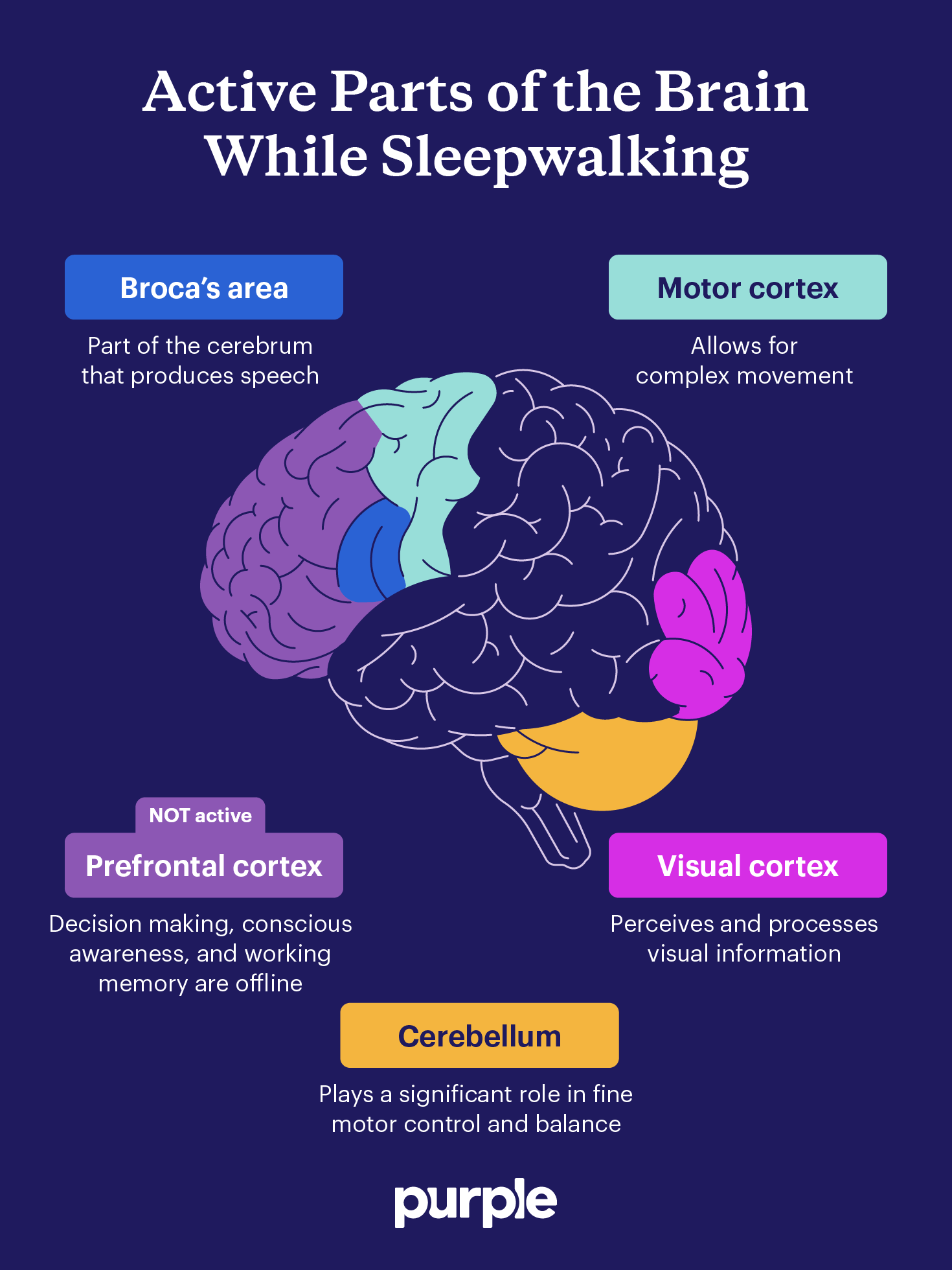
We see partial activity in the brain's motor centers, which allow for complex movements, but the prefrontal cortex, which is responsible for consciousness, judgment, and memory, doesn't ‘turn on.’ It's why a person can easily walk around a home or even drive a car, but have absolutely no memory of it the next day.” — Dr. Asim Cheema, Your Doctors Online4
Why Do People Sleepwalk?
There are several different factors that can contribute to sleepwalking. While some factors are genetic, others are related to your health and other activities.
Genetic Factors
Genetics play a significant role in sleepwalking, often causing the condition to run in families. If one of your parents sleepwalked, you’re more likely to do it yourself — and even more likely if both parents were sleepwalkers.5
Age
Sleepwalking is more common among children and young adults, and tends to become less common as you get older. Parents may want to monitor their children’s sleep habits closely, especially when there are signs of sleepwalking. By helping their children regulate their sleep cycles, parents can also sleep better.
Children are more likely to experience this condition because they spend more time in N3 deep sleep (when sleepwalking occurs), and because their sleep cycles are typically more fragmented than adults’.6
Sleep Deprivation
Not getting enough sleep has been found to increase the likelihood of sleepwalking. Travel, schedule changes, and other disruptions can increase your level of sleep deprivation, raising the risk of sleepwalking. Interestingly, the more sleep deprived you are, the more likely you are to attempt complex behaviors while sleepwalking.2
Inconsistent Sleep Habits
Poor sleep habits are often to blame for insufficient sleep. An inconsistent bedtime routine (especially going to bed at different times each night) can make it harder to fall asleep and stay asleep. Other habits like checking your phone before bed or sleeping in a noisy space can keep you from getting enough rest, and make you more likely to sleepwalk.
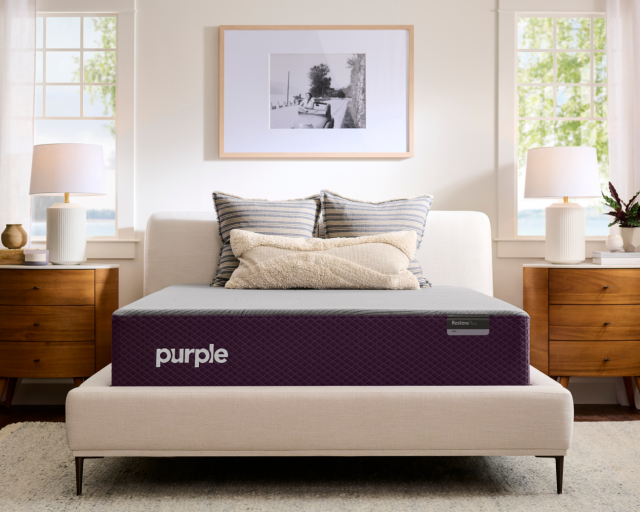
Purple mattresses provide a great base for creating a comfortable sleep environment to support healthy sleep habits. Balanced support, pressure relief, and cooling make it easy to focus on sleep the moment you go to bed.
Get Your Best Sleep Yet
Purple has a mattress for every budget and sleep style — each one featuring the innovative GelFlex Grid® for adaptive comfort and support.
Other Sleep Disorders
Other sleep disorders, such as insomnia and sleep apnea, can also increase your risk for sleepwalking because of how they disrupt your sleep cycle. In adults, frequent sleepwalking is usually linked to these or similar sleep disorders.5
Neurological Conditions
Certain neurological conditions like migraines, Parkinson’s, and Smith-Magenis syndrome can prompt sleepwalking and other sleep disorders when they affect the brainstem.7
Mental Health Conditions
Wondering if sleepwalking is a sign of depression? If you’re too stressed to fall asleep easily, your mental health could be a contributing factor. Stress, anxiety, depression, and PTSD are all known to disrupt sleep in general, and have also been linked to an increased risk for sleepwalking. This can create quickly create a cycle where poor sleep worsens anxiety or other mental health conditions, which then further disrupt sleep.2
Illness and Fever
The high body temperatures that result from fever can interrupt sleep cycles and make you more likely to sleepwalk when you are sick. These effects are more pronounced in people, especially children, who are already predisposed to sleepwalking.2
Medication Side Effects
Certain medications, like sedatives and beta blockers, can affect the brain in a way that increases the risk of sleepwalking. For instance, insomnia treatment medicines like Zolpidem (Ambien) enhance the brain’s GABA activity and make users more likely to sleepwalk.
Several antidepressants, such as Zoloft and Prozac, have also been found to increase the risk of sleepwalking.8
Alcohol and Caffeine Consumption
Consuming alcohol or caffeine before bed have been shown to disrupt normal sleep quality, which can also trigger sleepwalking. If you need to eat before bed, consider foods that help you sleep better, such as cherries, bananas, milk, or turkey.
Gastroesophageal reflux disease (GERD)
Acid reflux (GERD) can also disrupt sleep and contribute to sleepwalking. Poor sleep may also intensify GERD symptoms, creating a frustrating loop.9 Taking steps to reduce acid reflux symptoms at night, such as using an adjustable base bed to elevate your head, can help improve both conditions.
Most Common Somnambulism (Sleepwalking) Symptoms
One of the biggest challenges with diagnosing somnambulism is that you usually won’t recognize it in yourself. Most sleepwalkers have no memory of their actions the next morning.
However, there are several symptoms that friends or family can observe, as well as signs you can watch for:
- Partial waking with limited awareness: A sleepwalker will be active, but not fully awake. Their eyes may be open (with a glazed expression), but they aren’t fully aware of their surroundings or others.
- Uncoordinated movements: Sleepwalkers usually have clumsy or uncoordinated movements. For example, they may not be able to unlock a door or dress themselves when they try to do so.
- No memory: Sleepwalkers generally don’t remember what they did when they wake up.
- Sleep eating: Some sleepwalkers will try to eat during sleep. They may even try to eat inedible or uncooked foods. You may find partially eaten food in the kitchen or even in bed after sleepwalking.
- Morning fatigue: You may still feel tired after sleeping because of the disruption to your sleep cycles.2
How Is Sleepwalking Diagnosed?
Sleepwalking can usually be diagnosed based on the behaviors that others observe. The details provided by your loved ones (or captured on video) may be enough to confirm a diagnosis.2
“The process of diagnosing sleepwalking begins with a thorough interview of the sleepwalker and their observers to record all sleepwalking incidents and their surrounding conditions. The combination of brain activity and sleep behavior monitoring through polysomnography tests enables healthcare providers to understand sleepwalking better.” — Dr. Helena Fowler, doctor of clinical nutrition10
For most people, sleepwalking doesn’t occur every night, and while it's not usually serious, certain patterns or risks make it important to consult a doctor.
When Should You See a Doctor for Sleepwalking?
You should see a doctor about sleepwalking if the behaviors are leading to injuries or disrupting sleep for other members of the household.
Attempting more complex activities, such as cooking or driving, can become especially dangerous, and should be discussed with your doctor. Frequent episodes, especially several times a week, also signal the need for medical evaluation.
Your doctor can usually make a diagnosis and offer recommendations to improve sleep based on your reported behaviors and symptoms. Sometimes, sleepwalking could be related to another sleep disorder. In these situations, doctors may recommend a full sleep study to identify any underlying condition.
How to Stop Sleepwalking: 5 Sleepwalking Treatment Tips
No one wants to find out they wandered the house during the night while they were asleep. Fortunately, several strategies can help reduce the likelihood of sleepwalking episodes:
- Practice stress management: Calming activities that help you destress (like yoga) can reduce the likelihood of stress-related sleepwalking.
- Stick to a set sleep schedule: Determining how much sleep you need and following the same sleep schedule each night will help you avoid sleep deprivation. Limiting screen exposure before bed can also make it easier to fall asleep faster.
- Avoid alcohol, caffeine, and unnecessary sleep medications: Each of these can increase your likelihood of sleepwalking.
- Create a comfortable sleep environment: Sleeping in a dark, quiet room with a comfortable bed can help reduce nighttime awakenings.
- Treat other sleep disorders: If you have a sleep disorder like sleep apnea or insomnia, getting treatment can reduce sleepwalking and other side effects.
Encouraging relaxation to better support rest, Dr. Lief Hands says, “My advice for patients is to establish a ‘neuro-calm routine’ before bed, incorporating light stretches for the spine, slow breathing, and gentle neck alignment checks. This helps drop physical tension and engage the parasympathetic system.”11
What to Do When Someone is Sleepwalking
So what should you do when a family member, friend, or roommate is sleepwalking? Psychotherapist Claire Law says, “The best approach to handle someone who is sleepwalking involves a gentle return to bed without attempting to wake them up. The approach brings peace of mind while ensuring complete safety.”12
Here are some helpful do’s and don’ts for how to handle the situation:13
Do | Don’t |
Gently guide the sleepwalker back to bed | Try to forcibly wake the sleepwalker |
Lock doors and windows and install stair gates if needed | Restrain them unless they are in danger |
Remove tripping hazards from the ground | |
Hide car keys, knives, and weapons |
Can Sleepwalking Be Prevented Through Lifestyle Changes?
Simple lifestyle changes — especially those that promote healthy sleep habits — can go a long way in reducing sleepwalking. Because sleepwalking can point to other sleep problems (and sometimes contribute to them), it's important to talk to your doctor if you're concerned.
By understanding what causes sleepwalking, you can make targeted lifestyle changes that help you get more deep sleep and be less likely to sleepwalk. Even small improvements to your sleep environment can make a noticeable difference.
With a Purple mattress, you can upgrade your bedroom for more comfortable sleep. Our Restore Hybrid Mattresses in particular offers responsive shoulder and hip support and adaptive foam layers, promoting body alignment and comfort to help you sleep soundly.

Upgrade Your Sleep Environment
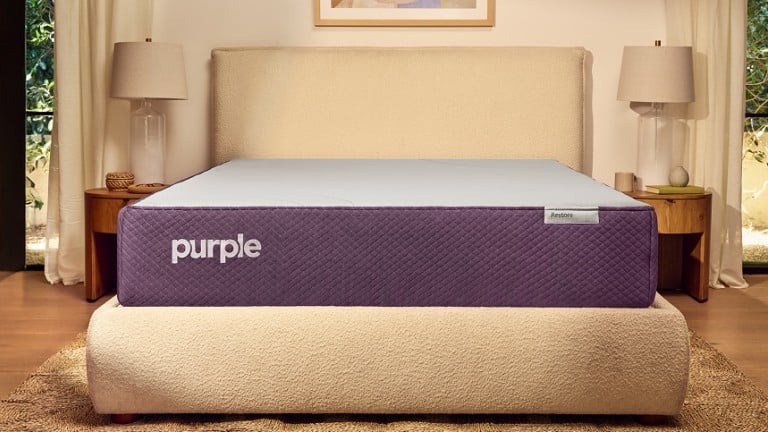
Restore Hybrid Mattresses seamlessly combine pocketed coils with the GelFlex Grid® for superior support and adaptive pressure relief.
FAQ
While sleepwalking may seem unusual, it is actually a relatively common sleep disorder. Approximately 4% of adults and 17% of children experience sleepwalking at some point.2
Sleepwalking typically happens during the non-REM stage of sleep. When the prefrontal cortex of the brain is suppressed, the motor cortex is still active, which enables sleepwalkers to perform different activities without being aware of what they’re doing.14
Because the prefrontal cortex is only partly active during sleepwalking, most sleepwalkers don’t remember what they did. Some individuals may recall fragments of their actions, but full memories are uncommon.15
Sleepwalkers may see things around them with blurry or distorted vision, or even see images related to their dreams. Most people, though, don’t remember what they saw once they wake up.15
Sleepwalking usually occurs during non-REM deep sleep, while the brain’s motor cortex is still active.14
Common triggers of sleepwalking include sleep deprivation, poor sleep habits, certain neurological and mental health conditions, GERD, alcohol or caffeine consumption, and specific medications.3
Yes, some people are genetically predisposed to sleepwalking. People with one or both parents who sleepwalk are more likely to experience it themselves.3
Extreme stress can trigger sleepwalking and other sleep disruptions. Poor sleep can also worsen stress, making it important to address stressors early so they don't continue affecting your sleep.2
More To Explore
Level up your sleep routine with our most-loved products.
-
Special offer

Purple Premium Smart Base
From Is dollars Is now dollarsShop Purple Premium Smart BaseCustomized comfort + support, day + night
-
Special offer

Purple Premium Plus Smart Base
From Is dollars Is now dollarsShop Purple Premium Plus Smart BaseCutting-edge smart base tech revolutionizes rest + recovery
-
Instant pressure reliefOn sale
Restore® Hybrid Mattress
From Is dollars Is now dollarsShop Restore® Hybrid Mattress2" GelFlex Grid + coils for responsive support and increased breathability.
About the authors

Sydney brings more than five years of experience writing about a range of topics including health, lifestyle, and technology. They have a B.A. in Creative Writing and Literature from Lebanon Valley College. They’re a big fan of sharing dreams and discussing symbolism for fun. Sydney is always searching for tips to improve their sleep quality and hopes to help others get the best sleep possible with their writing.

Tyler Wright is a Senior Product Manager of mattresses. With over 10 years of experience in product development, he is dedicated to developing innovative products that enhance and improve lives. At Purple that means building products that help people get the best sleep ever.
Sources
- American Academy of Sleep Medicine
- Cleveland Clinic
- Mayo Clinic
- Dr. Asim Cheema, Your Doctors Online
- Mayo Clinic
- Penn Medicine
- StatPearls
- BuzzRx
- JNM
- Dr. Helena Fowler, Sleep 365
- Dr. Lief Hands, Precise Chiropractic and Rehabilitation
- Claire Law, Custody X Change
- Cleveland Clinic
- PBS
- Sleep Education
- Sleep Foundation


-
 Purple Essential CollectionExperience the instantly adaptive GelFlex® Grid — at our best price.
Cradling comfort from the Purple GelFlex Grid
Easy, fast delivery
-
 Restore Hybrid CollectionStep up with a hybrid construction for enhanced pressure relief, support + up to 4x more cooling.*
GelFlex Grid + comfort layers for enhanced pressure relief
Maximum cooling — up to 4X cooler2 than competitors
Coil System provides responsive support
-
 Rejuvenate Luxe CollectionQuilted Euro Top, enhanced comfort layers + hybrid construction offer maximum support.
All-new DreamLayer™ for soothing surface comfort
Layered Grid offers exceptional, full-body pressure relief
Adaptive Response Foam unlocks the Grid’s full comfort potential
Responsive coils maximize mattress cooling, longevity + stability


