What Is Core Sleep? How Much You Need + Tips To Get More


Key Takeaways
- Core sleep encompasses REM and NREM stage 3 (deep sleep), serving as the foundation for overall physical and mental restoration.1
- Most adults need between 3.5 and 4.5 hours of core sleep per night.2
- A consistent bedtime routine, calm environment, and supportive mattress can enhance the quality and duration of core sleep.
Getting quality sleep affects how you feel when you wake up the next morning. If you still feel tired after sleeping, your core sleep may have been disrupted. But what is core sleep, and why is it so important?
Core sleep is a key part of your sleep cycle that promotes physical and mental restoration. Join us as we explore the vital role core sleep plays in restoring your body and mind, and discover how the right mattress can enhance this crucial part of your nightly rest.

Experience Responsive Comfort
Find instant pressure relief with a Purple mattress that moves with you.
Read on to discover how core sleep affects your health and how you can improve it with practical tips.
Core Sleep Meaning
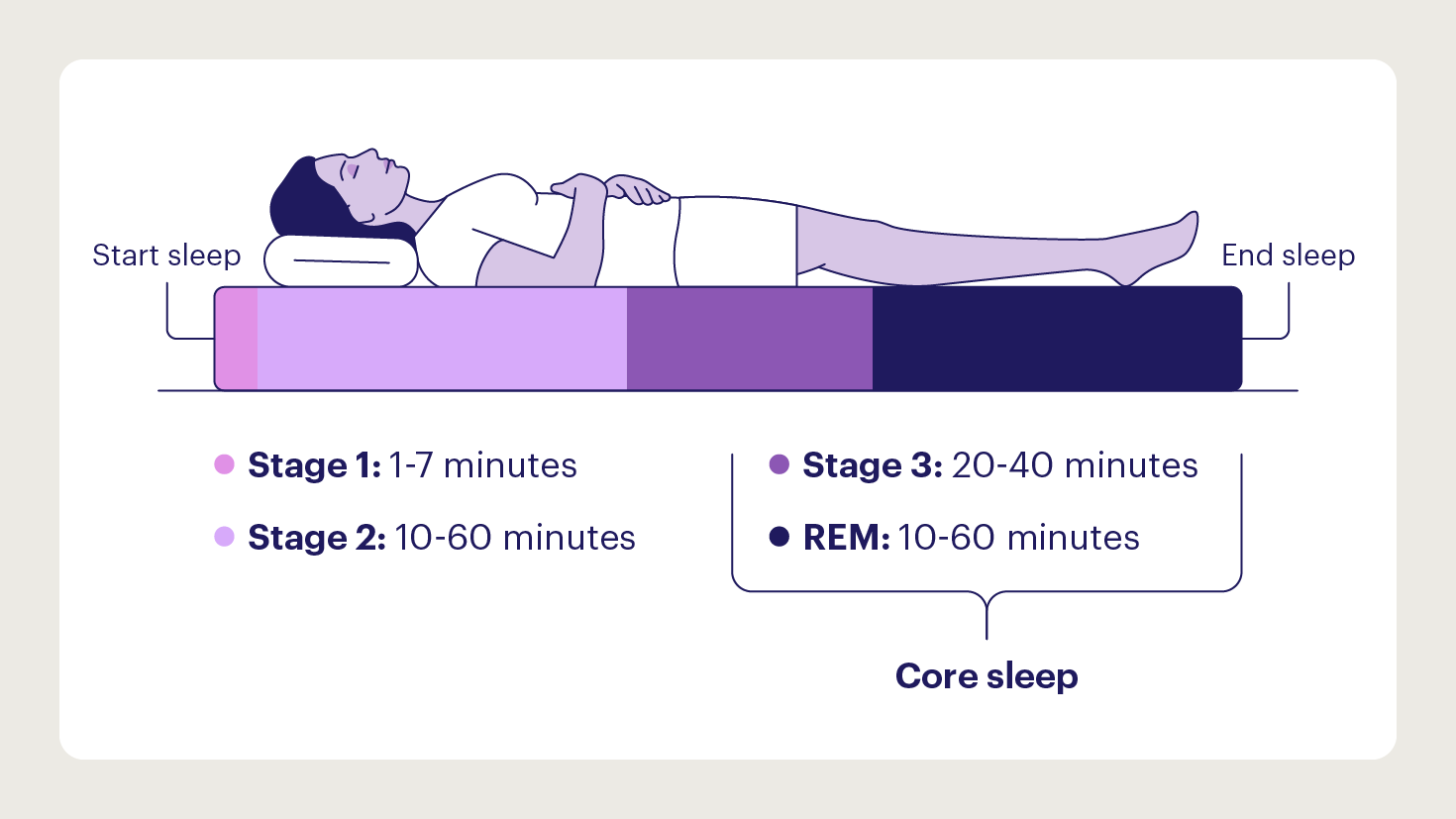
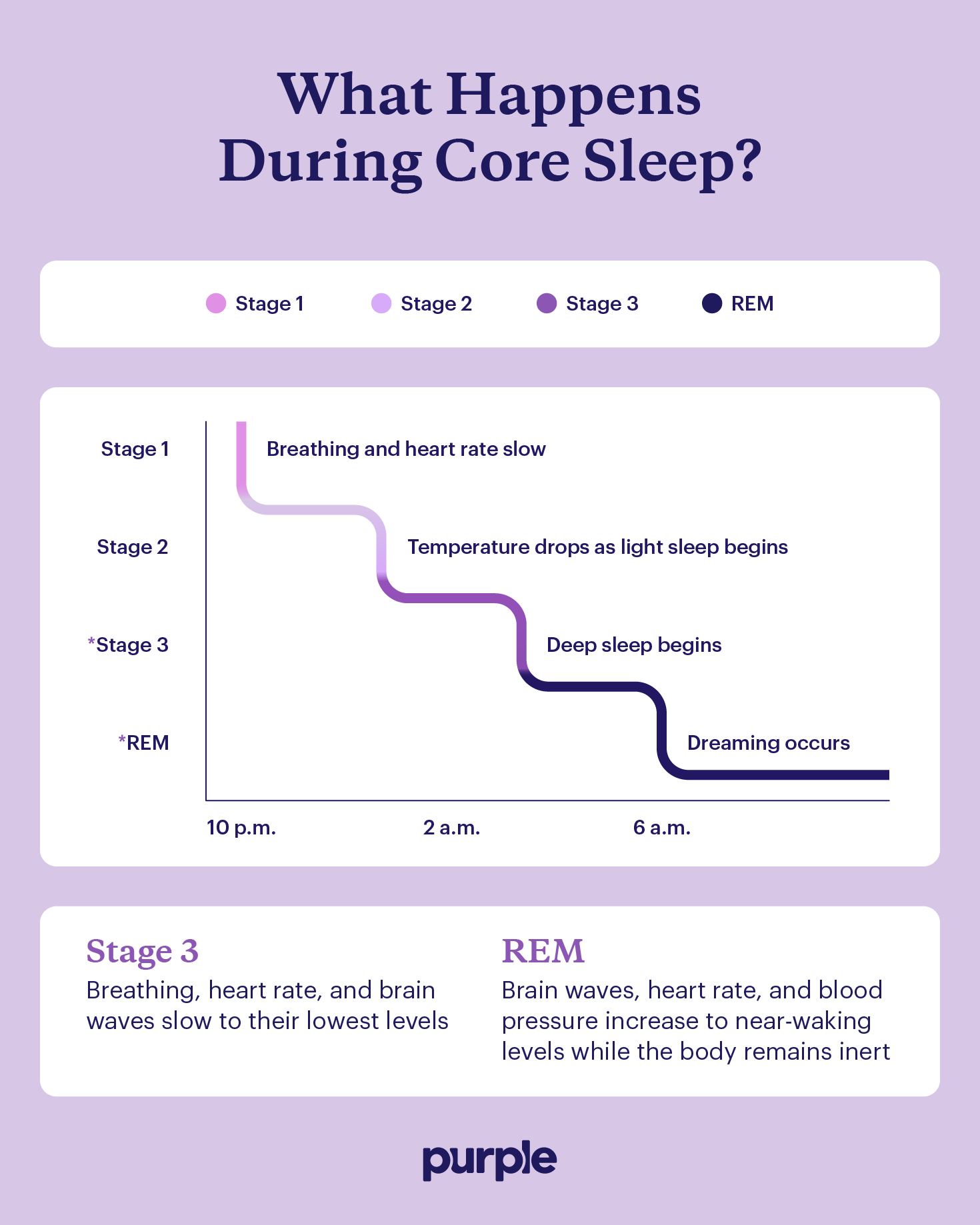
Core sleep refers to the essential, uninterrupted portion of your sleep cycle that provides foundational rest for your body and mind. It typically occurs during the first half of the night and includes the following key stages of sleep:
- NREM stage 3 (deep sleep): This stage provides deep rest essential for physical restoration.3
- REM sleep: This stage involves vivid dreaming where the brain processes memories and regulates emotions.4
Some definitions also include NREM stages 1 and 2 as part of core sleep. Stage 1 is a light, transitional phase from wakefulness to sleep. Stage 2 involves a deeper level of light sleep that prepares the body for stage 3 of NREM.5
Benefits of Core Sleep
Core sleep is vital because it supports your overall health and well-being. During this stage, your body:
- Repairs tissues6
- Processes memories7
- Strengthens the immune system8
It’s a known sleep fact that achieving enough core sleep can also improve mood and boost energy. Studies show that every hour of sleep reduces the risk of psychological distress by 14%.9
How Much Core Sleep Do You Need?
Most adults need about seven to nine hours of sleep per night, with roughly 50% of that being core sleep. This means you need around 3.5 to 4.5 hours of core sleep each night.
To find your optimal sleep duration, try using a sleep calculator and focus on getting consistent, quality rest.
Signs You’re Not Getting Enough Core Sleep
If you’re not getting enough core sleep, you might notice signs like:10
- Trouble waking up feeling refreshed
- Mood swings, irritability, or increased anxiety
- Feeling exhausted and having persistent fatigue
- Reduced immune function and frequent illnesses
- Difficulty concentrating or experiencing memory lapses
Sleep disruptions, stress, or an uncomfortable mattress can all contribute to fragmented rest. It’s crucial to minimize external disturbances, relax before bed, and recognize the signs of a bad mattress to improve your sleep environment and routine.
Core Sleep vs. Deep Sleep vs. REM Sleep
Understanding the difference between core and deep sleep can help you better grasp how your body restores itself each night.
While deep sleep refers specifically to NREM stage 3, when most of the physical restoration happens, core sleep is a broader term spanning non-REM light stages and REM. REM sleep occurs in a distinct phase toward the latter part of the night.
Here’s a quick comparison of core sleep vs. deep sleep vs. REM sleep over the course of the night:
Core Sleep | Deep Sleep | REM Sleep | |
Occurs in | N3 + REM | N3 (slow-wave) | REM (dream stage) |
*Average duration | ~3.5-4.5 hours | ~1.75-2.25 hours | ~1.75-2.25 hours |
Significance | Foundation for overall health11 | Critical for physical recovery12 | Critical for mental health13 |
*The given durations correspond to a typical sleep pattern of 4–5 cycles per night. | |||
How To Get Better Core Sleep
Now that you know what core sleep is, you can take actionable steps to improve it. Here are some strategies you can implement to get more deep sleep night after night.
1. Keep a Consistent Sleep Schedule
Going to bed and waking up at the same time every day helps regulate your internal clock.14 Consistency ensures your body knows when to transition into restorative stages and makes it easier to achieve your necessary core sleep.
2. Stick to a Bedtime Routine
Having a bedtime routine can signal to your body that it’s time to wind down. The ideal bedtime routine for adults includes relaxing activities like reading, taking a bath, or practicing mindfulness exercises. These activities help you transition smoothly into a restful night and enhance your core sleep.15
3. Make Your Bedroom More Relaxing
A calm, comfortable bedroom environment promotes uninterrupted rest and improves sleep quality. To create a more tranquil space:
- Use blackout curtains to block out the light.
- Keep the room cool enough to prevent overheating; the best temperature for sleep is between 66°F and 70°F.
- Reduce noise with earplugs or white noise machines.
- Invest in breathable bedding that wicks moisture and keeps you cool all night.
4. Minimize Screen Time Before Bed
Sometimes, you don’t know what to do when you can’t sleep, so you reach for your phone and start scrolling. This can cause problems for your circadian rhythm because the blue light from the screen may suppress melatonin production.16
Limiting screen use at least one hour before bed helps prevent this issue and improve your rest quality by allowing your body’s natural rhythms to take over.
5. Be Mindful of Your Diet
Be mindful of what you eat in the evenings. Avoid caffeine, alcohol, and fried foods close to bedtime, as they can interfere with your sleep cycles and reduce the amount of restorative core rest you get.17
Eat foods that help you sleep better instead. Some examples include cherries, milk, turkey, and nut butters that are rich in magnesium and tryptophan.
6. Manage Your Stress
Stress can disrupt your sleep cycles, making it harder to reach restorative stages.18 Learning how to calm anxiety at night through relaxation techniques can help promote deeper, more restful sleep.
Here are some techniques you can try:
- Guided meditation
- Gentle yoga stretches
- Deep breathing exercises
- Listening to calming music
- Progressive muscle relaxation
7. Invest in a Quality Mattress
The quality of your mattress can influence how well you achieve core sleep. A supportive, comfortable mattress that relieves pressure from your body and aligns with your sleep position and preferences may help you fall asleep more easily and stay asleep longer.
How often you should replace your mattress depends on the quality of the product and your needs, but generally, it’s best to replace it every seven to 10 years. By investing in quality mattresses like one from Purple, you can experience the durability and thoughtful construction that help you fall asleep faster and enjoy an uninterrupted night of rest.
Wake Up Refreshed
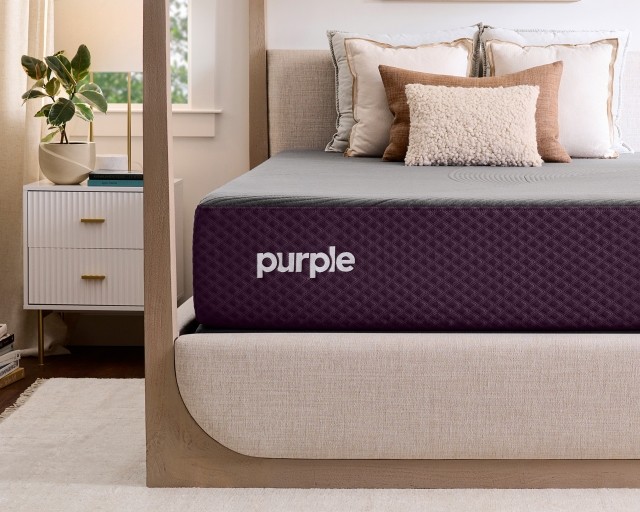
The Restore Hybrid Collection’s zoned coils and GelFlex Grid® encourage uninterrupted, high-quality sleep.
Is Core Sleep Important?
Absolutely. Core sleep is what provides the deep restorative rest your body needs. Whether it’s through establishing a steady routine or switching to a higher-quality mattress, prioritizing this foundational stage can make all the difference. And remember, the best time to buy a mattress is whenever you’re ready to invest in your sleep.
Purple’s innovative designs are here to help you make that investment count. Featuring our proprietary GelFlex Grid® technology, Purple mattresses adapt instantly to your movements and dissipate body heat for cooler, more comfortable nights. Explore our collection today to find the perfect fit for your sleep needs.
FAQ
Core sleep provides the essential rest your body needs to support basic functions like tissue repair, immune health, and memory processing. It acts as the foundation for overall well-being, helping you wake up feeling more refreshed and alert each day.
Core sleep includes both REM sleep and NREM stage 3, serving as the foundation of your rest. Some definitions also include NREM stages 1 and 2 as part of core sleep.
Deep sleep, or slow-wave sleep, is a part of core sleep focused on physical recovery, while REM sleep is vital for emotional health and memory.
Core sleep isn’t necessarily better or worse than deep sleep. It’s a broad term that includes both REM and deep sleep (NREM stage 3). Deep or slow-wave sleep is the physically restorative stage that makes up 20%-25% of your total sleep cycle.
Yes, 5 hours of core sleep is sufficient. Core sleep constitutes 50% of total sleep time. Most adults need seven to nine hours of sleep each night, which means 3.5 to 4.5 hours of core sleep.
On an Apple Watch, core sleep refers to light sleep stages (N1-N2). It’s the sleep phase where your body transitions from wakefulness to deeper rest. While helpful for tracking overall sleep, it’s a broader term than the scientific definition of core sleep.
More To Explore
Level up your sleep routine with our most-loved products.
-
Instant pressure relief
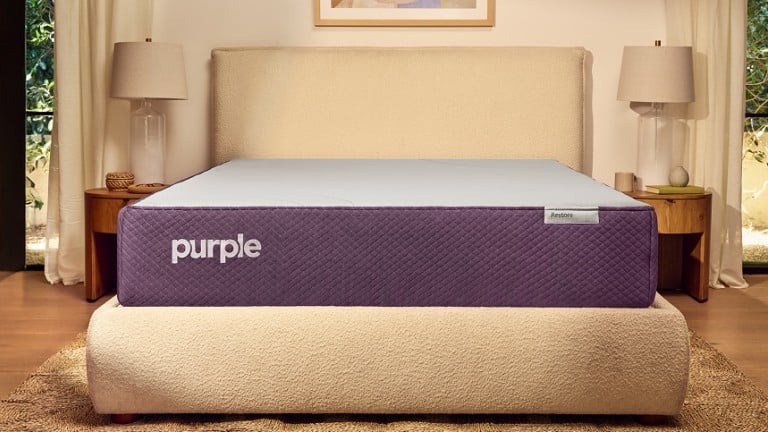
Restore® Hybrid Mattress
From Is dollars Is now dollarsShop Restore® Hybrid Mattress2" GelFlex Grid + coils for responsive support and increased breathability.
-
Bestselling quick ship
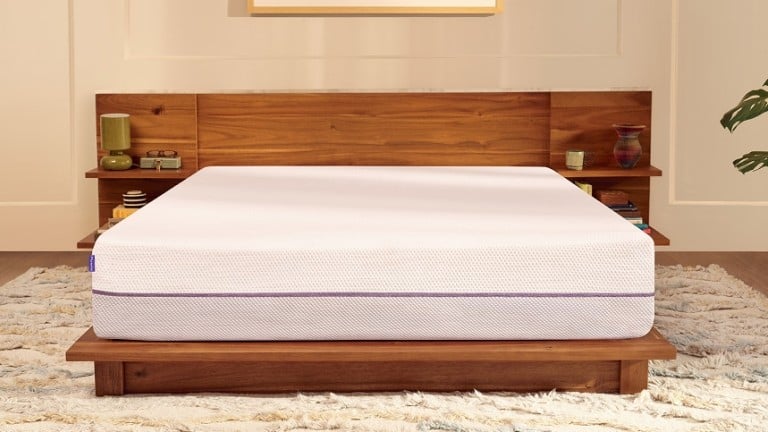
PurplePlus® Mattress
From Is dollars Is now dollarsShop PurplePlus® Mattress2" GelFlex Grid + Ultra Comfort layer for extra cushioning, pressure relief, and stability.
-
Super stretchySpecial offer
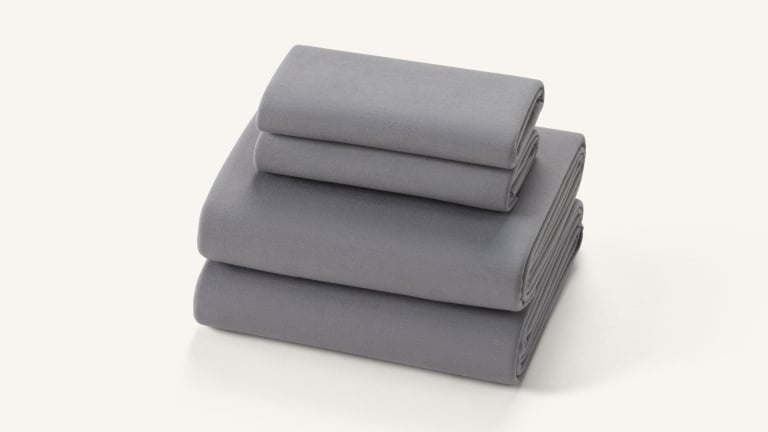
Purple SoftStretch® Sheet Set
From Is dollars Is now dollarsShop Purple SoftStretch® Sheet SetSmooth + stretchy to maximize GelFlex Grid benefits
About the authors

Sydney brings more than five years of experience writing about a range of topics including health, lifestyle, and technology. They have a B.A. in Creative Writing and Literature from Lebanon Valley College. They’re a big fan of sharing dreams and discussing symbolism for fun. Sydney is always searching for tips to improve their sleep quality and hopes to help others get the best sleep possible with their writing.

Tyler Wright is a Senior Product Manager of mattresses. With over 10 years of experience in product development, he is dedicated to developing innovative products that enhance and improve lives. At Purple that means building products that help people get the best sleep ever.
Sources
- Physiology, Sleep Stages
- Sleep
- The Cureus Journal of Medical Science
- Frontiers in Psychology
- Physiology of Sleep
- Science Advances
- Annual Review of Psychology
- Pflügers Archiv - European Journal of Physiology
- Sleep
- Nature and Science of Sleep
- Pharmacy and Therapeutics
- Nutrients
- Annual Review of Clinical Psychology
- Psychiatry Investigation
- Mindfulness
- Journal of Family Medicine and Primary Care
- Sleep Medicine
- Journal of Sleep Research


-
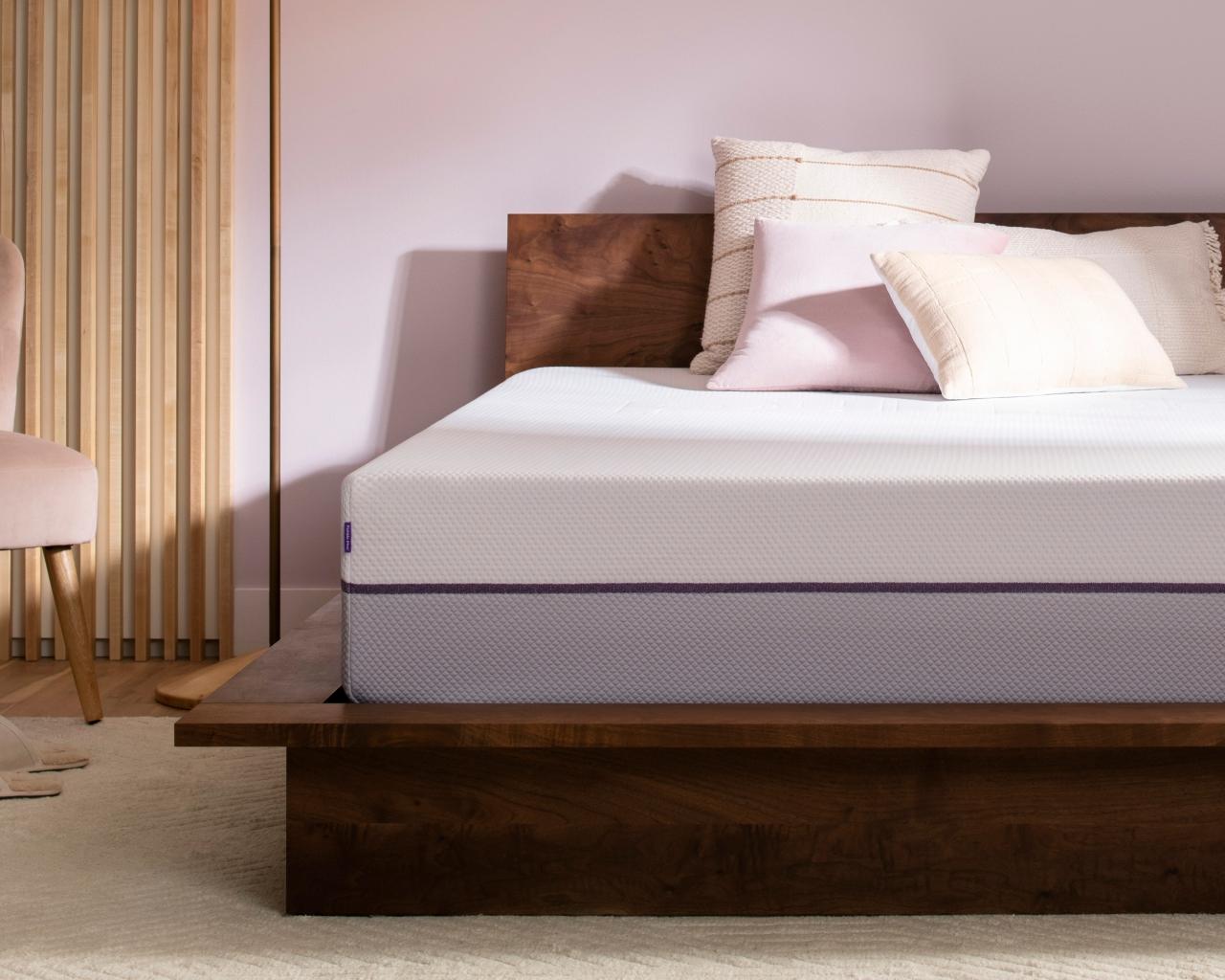
BUOYANT + RESPONSIVE
Purple Essential CollectionExperience the instantly adaptive GelFlex® Grid — at our best price.Cradling comfort from the Purple GelFlex Grid
Easy, fast delivery
-
 Restore Hybrid CollectionStep up with a hybrid construction for enhanced pressure relief, support + up to 4x more cooling.*
GelFlex Grid + comfort layers for enhanced pressure relief
Maximum cooling — up to 4X cooler2 than competitors
Coil System provides responsive support
-
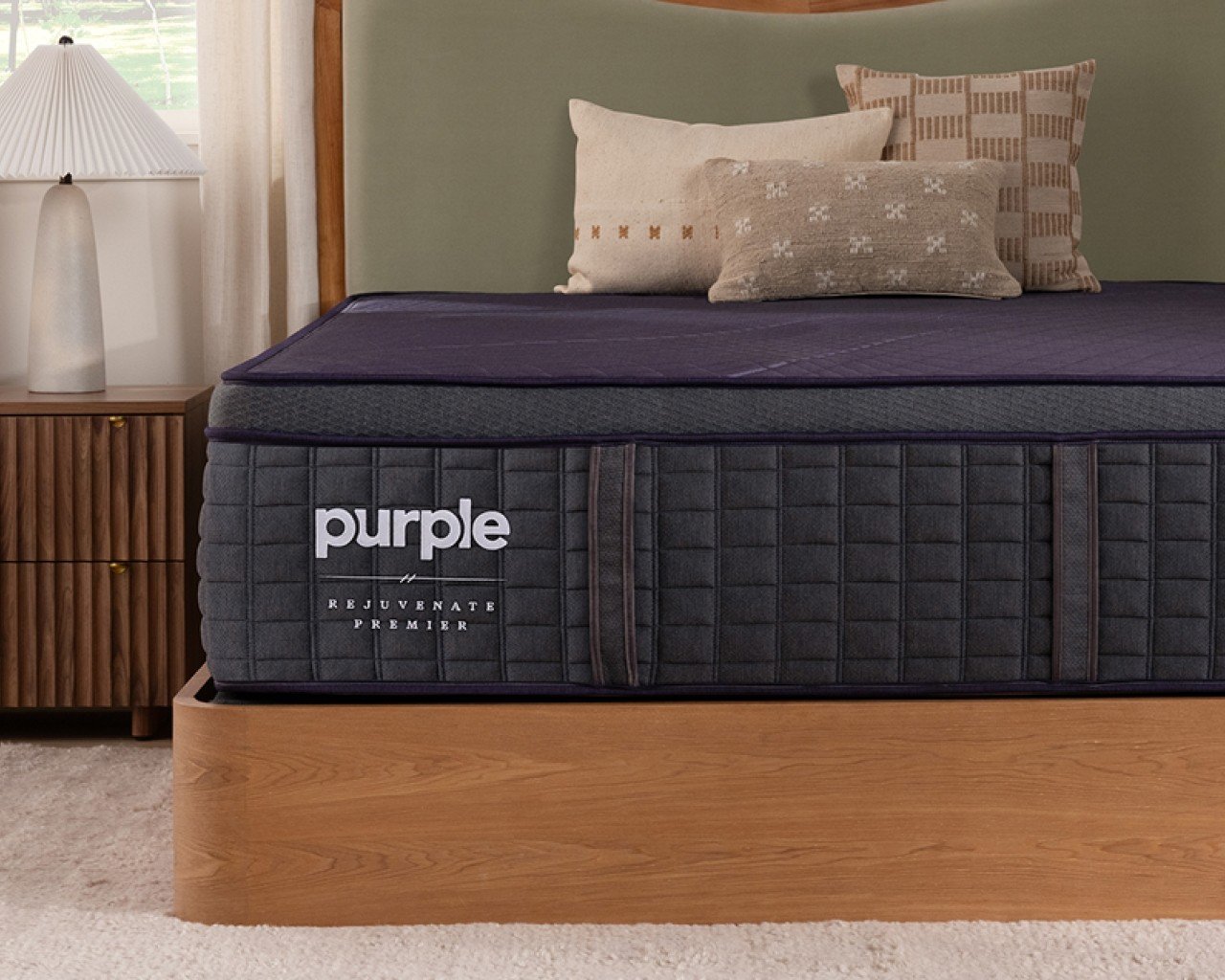 Rejuvenate Luxe CollectionQuilted Euro Top, enhanced comfort layers + hybrid construction offer maximum support.
All-new DreamLayer™ for soothing surface comfort
Layered Grid offers exceptional, full-body pressure relief
Adaptive Response Foam unlocks the Grid’s full comfort potential
Responsive coils maximize mattress cooling, longevity + stability


