
How Long Do Mattresses Last? Factors + Care Tips


How long does a mattress last?
- Most mattresses have a lifespan of seven to 10 years, though it can vary based on mattress type and material quality.
- Taking proper care of your mattress and using recommended support will help extend your mattress’s lifespan.
- Purple mattresses should last at least 10 years with proper care and are covered by a 10-year manufacturer’s warranty.
The right mattress can mean the difference between a good night's sleep and a terrible night's sleep. But how long do mattresses last, and how do you know if it's time to get a new one?
Our guide will help you understand when to replace a mattress so you can know the right time to upgrade to a new Purple mattress.
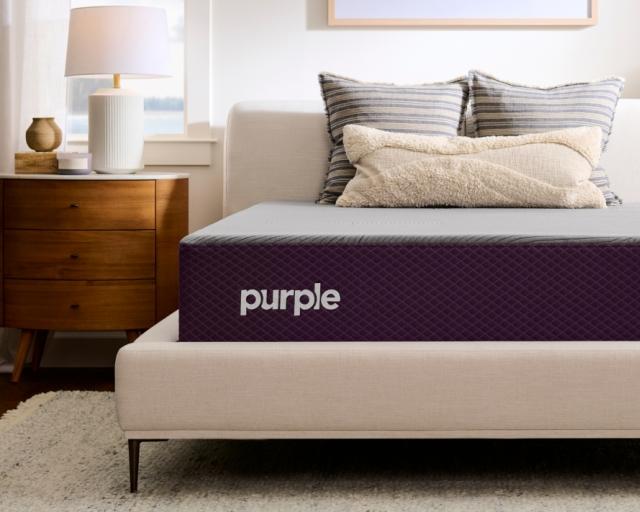
Maximize Your Sleep Quality
Enjoy cooling comfort and full-body support with Purple’s revolutionary GelFlex Grid® in every mattress.
Read on to learn more about the average lifespan of a mattress.
How Long Should a Mattress Last?
On average, you can expect your mattress to last seven to 10 years, as long as you follow the manufacturer’s care guidelines. Mattress lifespan varies based on a variety of factors, such as mattress materials, maintenance, weight, and even your sleeping style.
The type and quality of the mattress may have the biggest influence on its lifespan. Of course, no mattress has a specific expiration date. It’s up to you to decide when to get a new mattress based on factors like comfort and support.
Mattress type | Average lifespan | Factors to consider |
Innerspring | 5-8 years | Coils break down faster from extra weight or stress (like kids jumping on the bed) |
Memory foam | 7-10 years | More prone to sagging than other materials |
Latex | Up to 20 years | Natural and high-density latex may be more durable than blended or synthetic latex |
GelFlex Grid® | 10+ years | Grid retains structure thanks to highly durable polymer and design |
Hybrid | 7-10 years | Material quality greatly impacts lifespan |
Adjustable | Up to 10 years | Frequent adjustments can lower lifespan |
How Long Does a Purple Mattress Last?
The average Purple mattress lifespan is around 10 years with normal use, though you can expect a longer lifespan with our higher-end mattresses. You shouldn’t experience any Purple mattress sagging as long as it’s used as intended during that time. If you notice any sagging or unusual wear in your Purple mattress, contact us for warranty support.
Keep in mind that removing the cover from the mattress will void its 10-year warranty, since UV exposure degrades the materials. You are also responsible for any damage resulting from not using an adequate frame or foundation. Improper use or neglect of the mattress (including jumping on the bed or unsanitary conditions) will also void the warranty.
How Long Do Purple Pillows Last?
All Purple Pillows can last multiple years beyond their one-year warranty, provided you follow the care guidelines.
Regularly replacing your pillow can also play a big role in helping you get a comfortable night’s sleep. Standard pillows, such as polyester or other down alternatives, often need to be replaced every one to two years as they lose shape and support.
What Factors Affect Mattress Durability?
There’s no one-size-fits-all answer when asking how long a mattress lasts, as several factors affect your mattress’s durability.
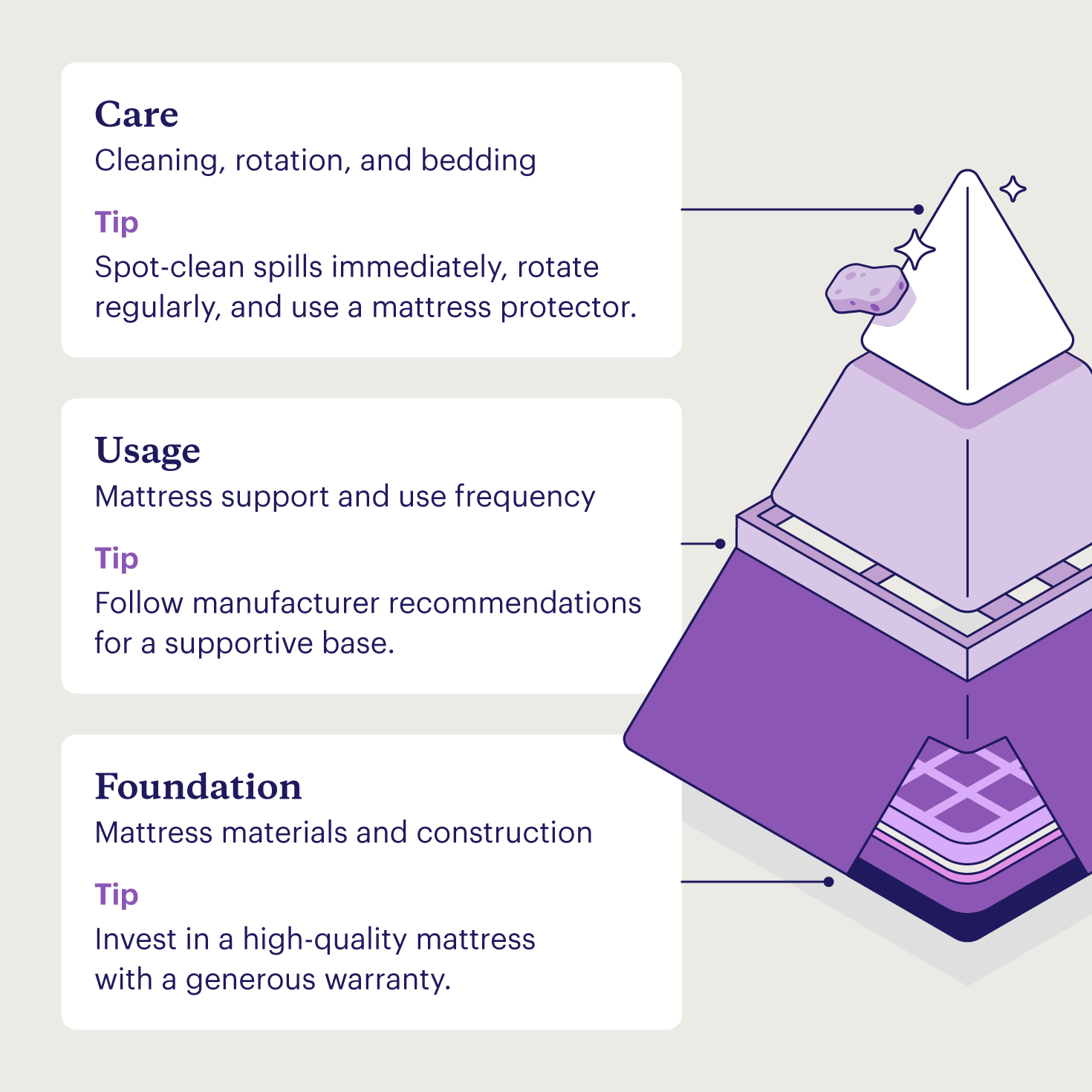
Mattress Type
Your mattress type can have a large impact on its lifespan. For example, standard innerspring mattresses tend to have a lower lifespan, usually closer to five or six years. Always check the manufacturer's warranty to get an idea of what to expect.
- Innerspring: An innerspring mattress usually lasts five to eight years. The coils break down faster if they are absorbing a lot of weight or unnecessary stress.
- Memory foam: A memory foam mattress generally lasts seven to 10 years, depending on the density of the foam and the weight of the user.
- Latex: Latex mattresses can last up to 20 years, depending on the materials included in the mattress.
- GelFlex Grid®: The Purple GelFlex Grid® lasts at least 10 years with proper care.
- Hybrid: A hybrid mattress typically lasts seven to 10 years, depending on the materials and budget for the mattress.
- Adjustable: Adjustable mattresses can last up to 10 years, but may have a shorter lifespan if you frequently adjust their settings.
Mattress Quality
The quality of your mattress’s design and materials also impact how long it lasts. The length of the mattress warranty can be an indicator of the quality of materials — a longer warranty generally means higher-quality materials were used.
Price can also be an indicator of quality, but a more expensive mattress doesn't always mean better quality.
Care and Maintenance
Routine maintenance keeps your mattress clean and in good shape — and helps it last longer. This includes following mattress cleaning best practices (like spot cleaning stains as needed) and rotating the mattress every three to four months to prevent sagging.
Using a mattress protector can also help keep your mattress in good condition by protecting it from spills, dust, pet dander, and other hazards.
Frequency of Use
A mattress that you sleep on every night will wear out much faster than a guest mattress that’s only used every few months. The mattress in your primary bedroom will probably need to be replaced several years sooner than a mattress in your guest bedroom.
Bed Support
The bed frame or base you use with your mattress can affect its durability. For example, most new mattresses shouldn’t be used with a box spring, as it breaks down a mattress and causes it to age prematurely. In some cases, not using the proper type of support can even void your mattress’s warranty.
Sleeping Position
Your sleeping position can impact the lifespan of a mattress, particularly if you sleep in the same position and location each night. For example, side sleepers may find that their mattress starts sagging sooner in the hip and shoulder areas because of the added pressure in these zones.
Body Weight
A mattress used by two people will wear out faster than a single sleeper simply because of the extra body weight. Similarly, heavier people may find their mattresses begin to sag sooner.
Many mattresses also have a stated weight limit that you should follow. Exceeding the weight limit can cause the mattress to wear out prematurely.
Signs It Might Be Time To Replace Your Mattress
Don’t just focus on the age of your mattress. Watching for key signs of excess wear can help you know when it’s time for an upgrade.
- Imprints: A body-shaped impression on the surface of your bed after you get up is a sign that your mattress is wearing out.
- Sagging: Visible sagging means your mattress support is breaking down. Even a 1-inch sag can create a world of hurt for your back.
- Lumps: Lumps in your mattress are caused by uneven mattress density due to age and wear and tear.
- Noise: Squeaks and screeching are signs that innerspring mattress coils are on their way out and that your support level has already decreased significantly.
- Discoloration: Yellow mattress stains are a fairly common result of extended use over the years. Some stubborn stains will refuse to come out even with intense cleaning.
- Odor: Mold and mildew can cause unpleasant smells and create an unhealthy sleeping environment. Mold, mildew, and dust mites can cause sneezing or coughing when you spend time on your mattress, especially if you have allergies.
- Morning aches: Waking up in pain could mean that your mattress isn't supporting you at night. Bad mattresses are notorious for causing pain in the hips, back, neck, and shoulders.
- Discomfort: Tossing and turning? An uncomfortable mattress can cause you to feel physically and mentally agitated at night.
How Often Should You Get a New Mattress?
While most mattresses last seven to 10 years, this isn’t a hard-and-fast rule. By paying attention to your current mattress’s type, quality, and comfort (or discomfort), you can determine when it’s time to choose a new mattress. If you’re not sleeping well, it may be time to make a change.
When considering how long mattresses last, make sure you get a mattress that will help you get quality sleep. All Purple mattresses feature our GelFlex Grid® (also known as a Gel Matrix™) to cradle pressure points like your hips and shoulders while keeping the rest of your body fully aligned. With multiple options to choose from, you can have the comfort and support you need.
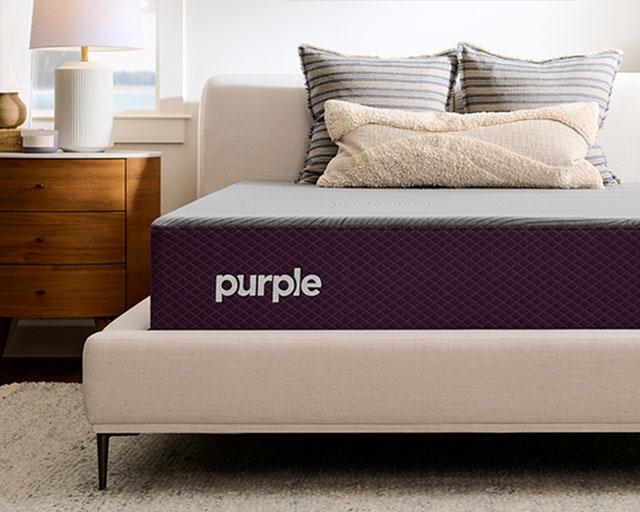
Maximum Comfort and Support
Purple Restore™ Hybrid mattresses provide structured support and pressure relief to keep you comfortable.
FAQ
Signs that a mattress is worn-out include visible imprints, sagging, or lumps. Worn mattresses may also be noisy, discolored, or even have an unpleasant odor. Most importantly, they can cause discomfort that makes it hard to fall asleep and stay asleep.
With proper care, most mattresses should last seven to 10 years before sagging. This can vary based on the type and quality of materials used for your mattress.
Latex mattresses tend to last the longest, with a lifespan of up to 20 years depending on the quality of the materials used.
A bed in a box should have a similar lifespan to a mattress that wasn’t delivered in a box. On average, these mattresses last seven to 10 years depending on factors like materials, quality, and care.
Mattress toppers don’t extend the life of your mattress on their own. That said, they can help protect the mattress from hazards like spills, mold, pests, and allergens, which could impact the mattress’s lifespan.
After 10 years of regular use, a mattress’s structural support starts to deteriorate. This means the mattress will start to sag and provide less comfort, pressure relief, and support for spinal alignment. At this point, it’s likely time to get a new mattress.
Most mattresses need to be replaced after 10 years, but a mattress that hasn’t had much use (such as a guest bedroom mattress) can potentially last for 20 years with less wear and tear.
Most 30-year-old mattresses no longer provide the support and comfort needed for a good night’s sleep. Pay attention to how well you’re sleeping and how comfortable the mattress feels.
More To Explore
Level up your sleep routine with our most-loved products.
-
Targets back painOn sale
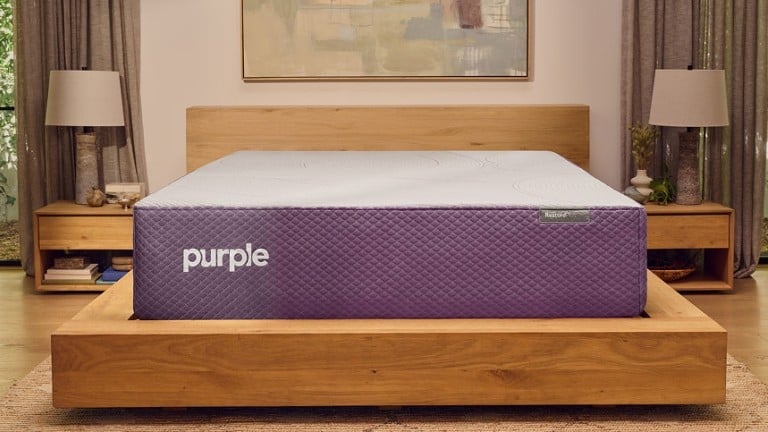
RestorePlus® Hybrid Mattress
From Is dollars Is now dollarsShop RestorePlus® Hybrid MattressCradling lower-back support with 3" GelFlex Grid's deep relief + zoned coils.
-
On sale
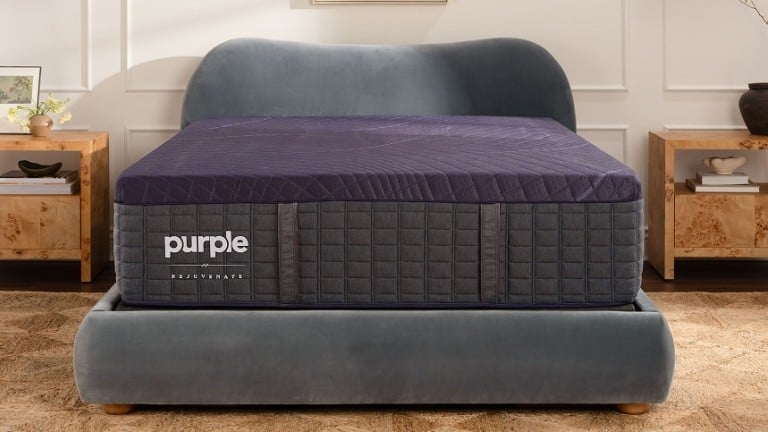
Rejuvenate™ Mattress
From Is dollars Is now dollarsShop Rejuvenate™ MattressPerfectly balanced comfort and support.
-
Bestselling quick shipOn sale
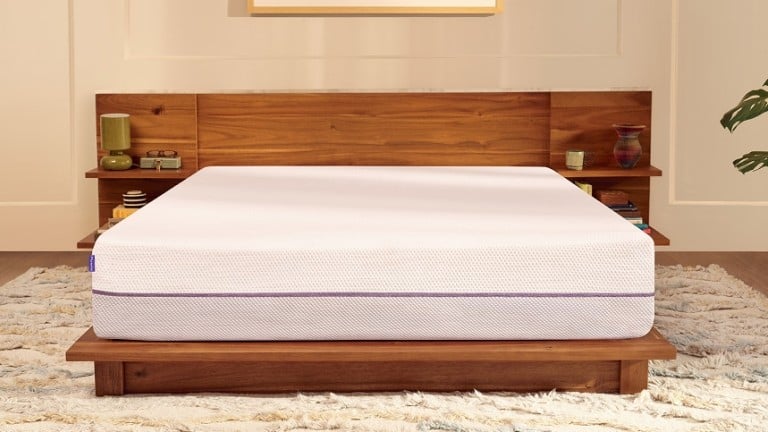
PurplePlus® Mattress
From Is dollars Is now dollarsShop PurplePlus® MattressCradling support that never traps heat + isolates motion to avoid disruptions.
Related Articles


-
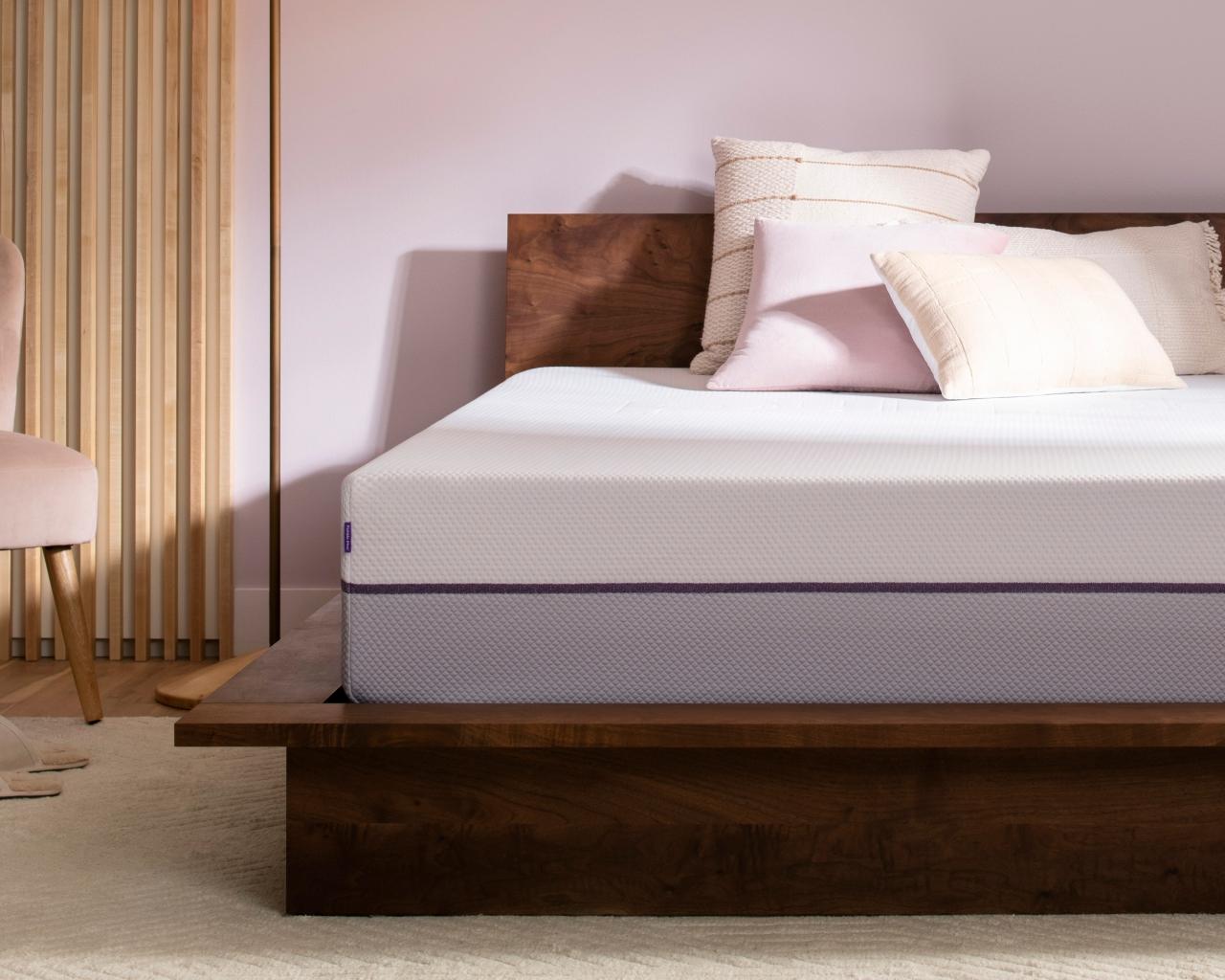 Purple Essential CollectionExperience the instantly adaptive GelFlex® Grid — at our best price.
Cradling comfort from the Purple GelFlex Grid
Easy, fast delivery
-
 Restore Hybrid CollectionStep up with a hybrid construction for enhanced pressure relief, support + up to 4x more cooling.*
GelFlex Grid + comfort layers for enhanced pressure relief
Maximum cooling — up to 4X cooler2 than competitors
Coil System provides responsive support
-
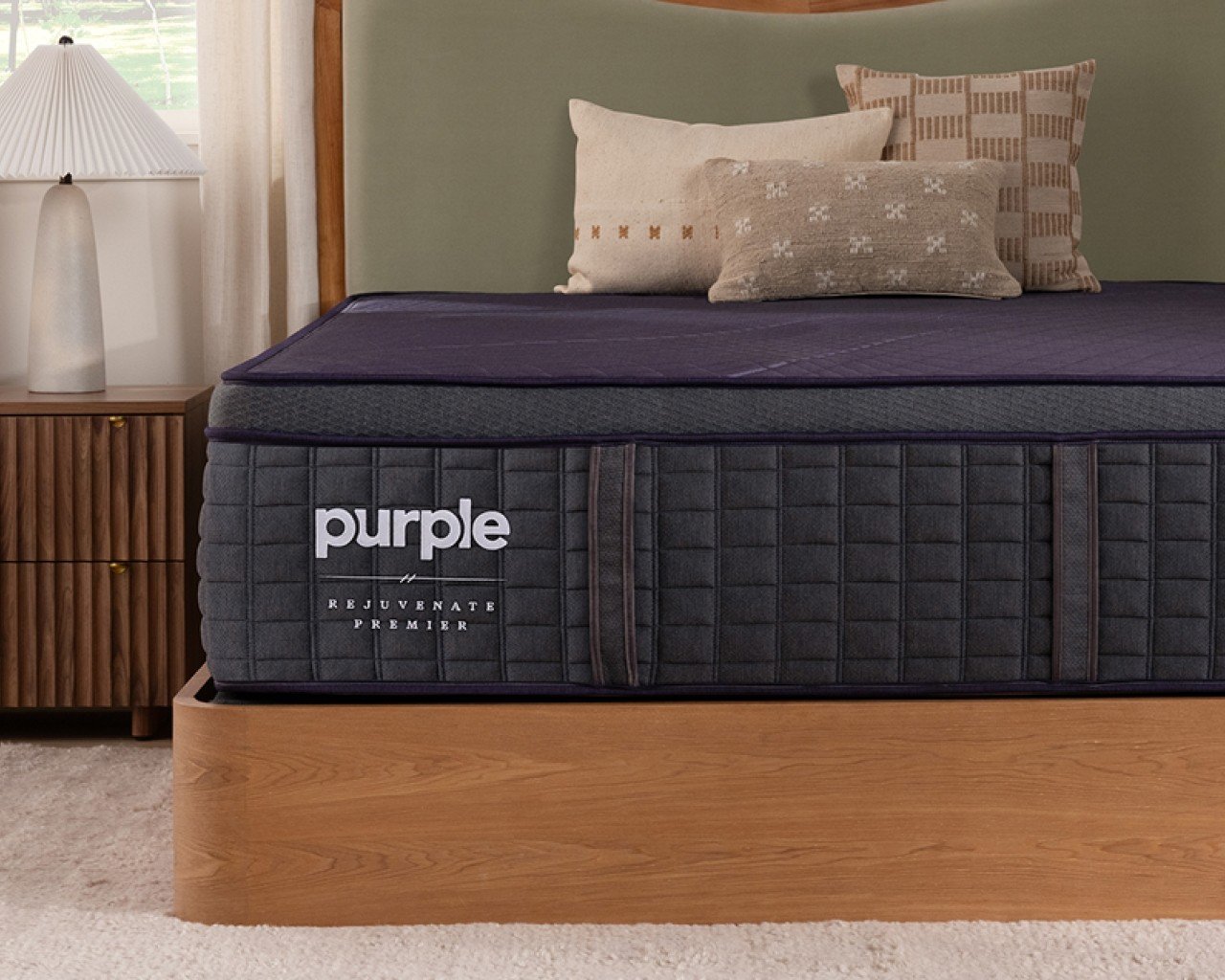 Rejuvenate Luxe CollectionQuilted Euro Top, enhanced comfort layers + hybrid construction offer maximum support.
All-new DreamLayer™ for soothing surface comfort
Layered Grid offers exceptional, full-body pressure relief
Adaptive Response Foam unlocks the Grid’s full comfort potential
Responsive coils maximize mattress cooling, longevity + stability


