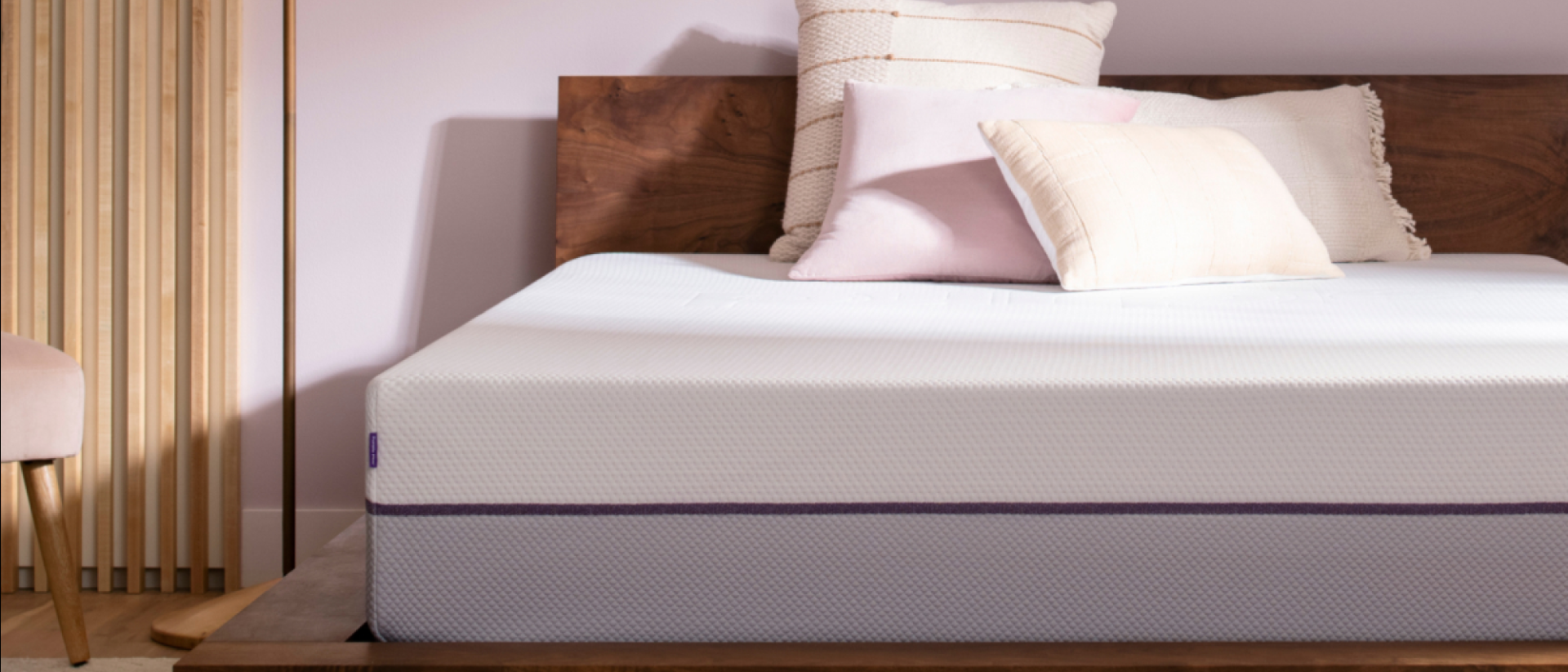
Best Mattresses for Allergies in 2026: How To Choose a Hypoallergenic Mattress



What is the best mattress for allergies?
The best mattress for allergies uses breathable, low-emission materials that help reduce dust mites and buildup. Look for a hypoallergenic mattress designed for airflow, easy cleaning, and consistent comfort. Purple mattresses use GelFlex Grid® technology to promote airflow and help limit common allergens—so you can sleep more comfortably with fewer disruptions.
Struggling with allergies at night? Your mattress might be part of the problem.
Dust mites, pet dander, pollen, and moisture can build up inside traditional mattresses, triggering congestion, irritation, and restless sleep. Because you spend hours on your mattress every night, it can become one of the biggest sources of bedroom allergen exposure in your home.
The best mattress for allergies is designed to reduce that buildup while keeping you comfortable. That’s where hypoallergenic mattresses come in.
Whether you’re dealing with asthma, dust mite allergies, or sensitive skin, choosing the right materials and construction can help create a cleaner, more breathable sleep environment and better mornings.

The Ultimate Restorative Sleep
Every Purple mattress features the flexible GelFlex Grid®, which dissipates body heat, cradles pressure points, and supports spinal alignment.
What is a hypoallergenic mattress
A hypoallergenic mattress is designed to help limit common allergens like dust mites, pet dander, mold, and pollen. While no mattress is completely allergy-proof, the right design can make it harder for irritants to build up over time.
In simple terms, “hypoallergenic” means a mattress is less likely to trigger allergic reactions—not that it eliminates allergens entirely. The goal is to create a cleaner sleep environment with fewer triggers.
The best hypoallergenic mattresses focus on:
- Airflow to reduce heat and moisture
- Materials that resist trapping allergens
- Cleanability for easier maintenance
For people with allergies or asthma, reducing exposure at night may help minimize disruptions like congestion or irritation.
Traditional foam and spring mattresses can trap heat and moisture, creating an environment where allergens build up. Newer designs, like Purple’s GelFlex Grid®, are engineered to promote airflow and reduce buildup, helping support a cleaner sleep surface without sacrificing comfort.
What is the best mattress for allergies and asthma
The best mattress for allergies and asthma is one that reduces exposure to common triggers like dust mites, pet dander, and moisture buildup. Look for a hypoallergenic mattress with breathable materials, low emissions, and a design that promotes airflow instead of trapping heat.
In general, the best allergy-friendly mattresses include:
- Breathable construction to reduce heat and humidity
- Hypoallergenic materials that resist buildup
- Low-emission foams for cleaner indoor air
- Easy-to-clean surfaces or compatibility with mattress protectors
Different needs may require different features:
- Dust mite allergies benefit from materials that don’t trap particles
- Asthma concerns often benefit from airflow and low emissions
- Sensitive skin may benefit from softer, non-irritating surfaces
Purple mattresses are designed with all of these needs in mind. The GelFlex Grid® creates thousands of open air channels that help move heat and moisture away from the body– making it harder for allergens to accumulate, without trade-offs in comfort or support.
Purple mattresses use foams that are CertiPUR-US® certified, meaning they are tested for low emissions and made without certain harmful chemicals. This helps support better indoor air quality in your bedroom.
Many Purple products are also tested to meet Clean Air GOLD standards, which evaluate products for low chemical emissions in indoor environments like homes and schools.
Best mattresses for allergy sufferers
When choosing the best mattress for allergies, it helps to match your needs with the right features.
Best Mattress for Allergy-Sensitive Sleepers: The Purple Mattress®
Alternative for: Nolah Natural or Avocado Green Mattress
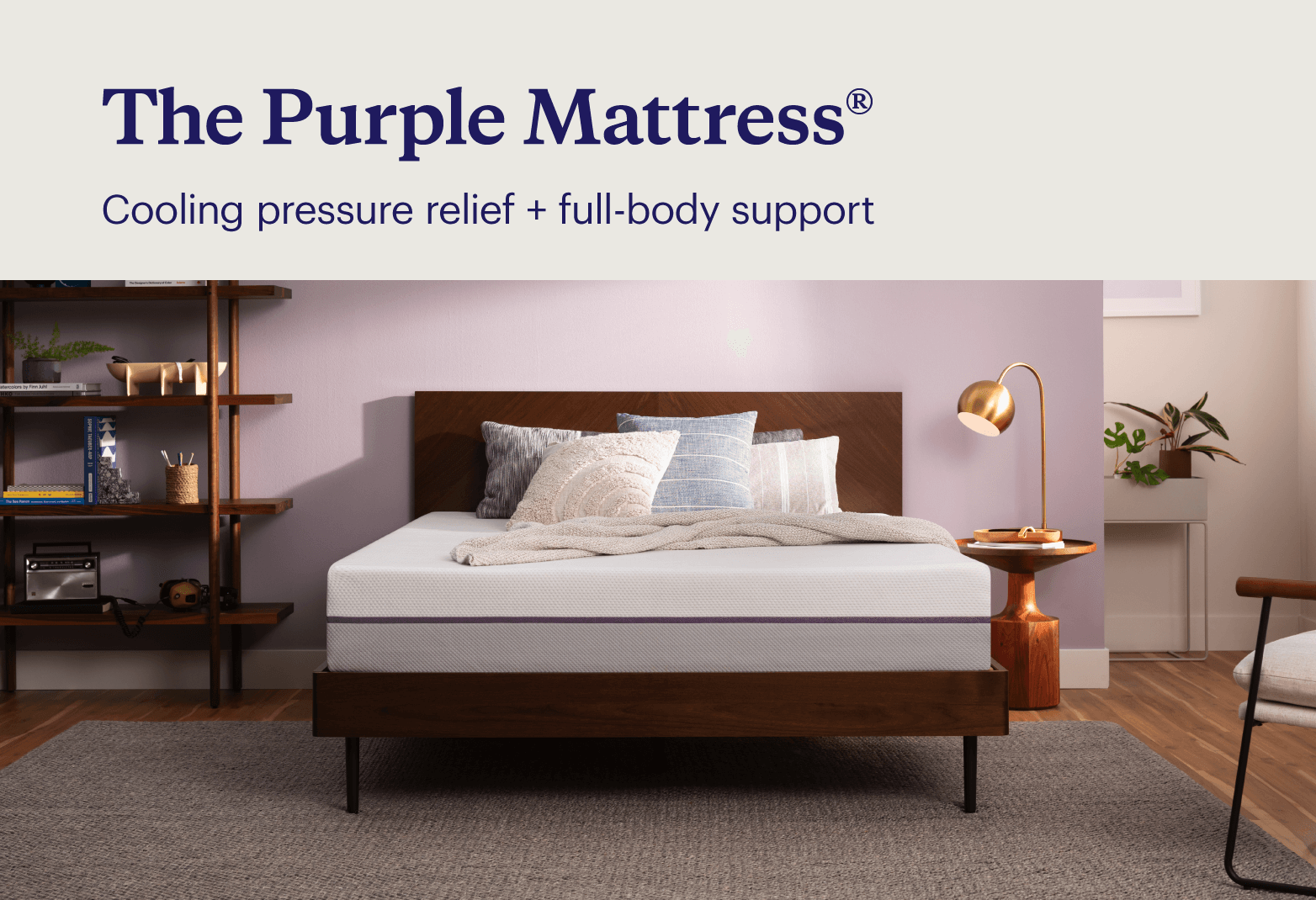
The Purple Mattress®’s GelFlex Grid® is made with a Hyper-Elastic Polymer, while the comfort and base layers are made with polyurethane foam. These materials help prevent dust mites, pollen, and other allergens from accumulating inside your mattress. The GelFlex Grid’s breathability and airflow can help you sleep cooler while making it even harder for allergens to take hold.
Our GelFlex Grid®, which is designed to instantly adapt to your preferred sleep position, cradles your pressure points and provides support for better posture and more comfortable sleep. Pairing the mattress with a compatible adjustable base can help you find your optimal sleep position while also promoting better airflow in your room.
- Key features: 9.25” thickness, 2” GelFlex Grid®, Comfort Foam, Edge Support Foam, Base Support Foam, Softflex Cover
- Sizes: Twin, Twin XL, Full, Queen, King, Cal King, Split King
- Price: $999-$2,198
“The mattress really is unbelievable. I have allergies so I appreciate the science and all the amazing materials that make up Purple products. I love sleeping on this mattress, it is everything I hoped it would be.” — Barbara T., Purple Mattress® review
Best Latex-Free Mattress: PurpleFlex™ Mattress
Alternative for: Layla Memory Foam Mattress
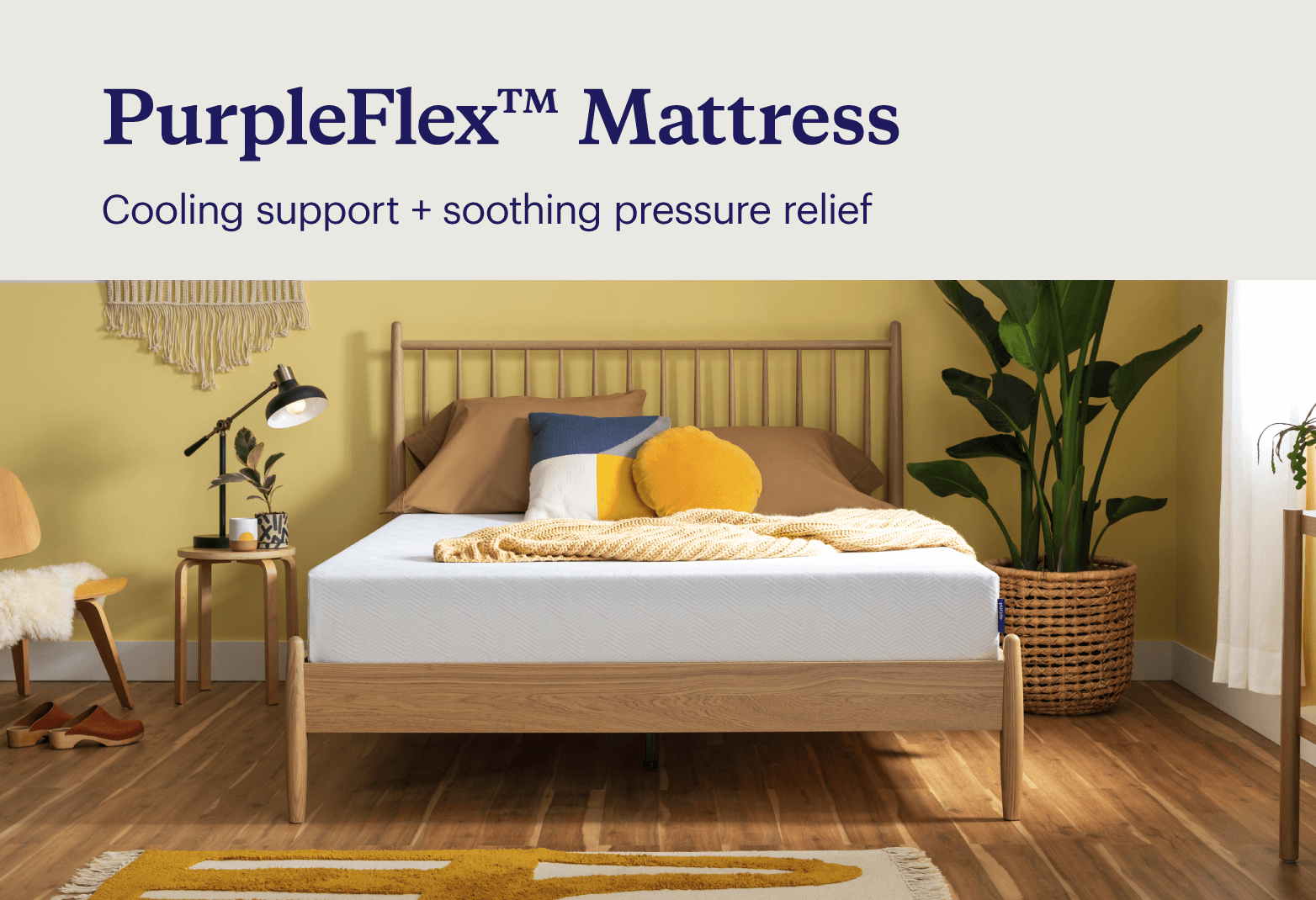
Latex mattresses are a popular pick for those seeking mattresses with hypoallergenic properties — but if you’re allergic to latex, they could make your symptoms worse. The PurpleFlex™ Mattress doesn’t contain latex, making it one of the best options for those with latex allergies.
With our Hyper-Elastic Polymer GelFlex Grid® and polyurethane foam for the base layer, you won’t have to worry about your mattress materials causing rashes or itching.
This firm mattress provides significant airflow thanks to the 2-inch GelFlex Grid®, which not only helps you sleep up to two times cooler than other comparable mattresses, but also makes it harder for allergens to accumulate within the mattress. Stable base support conforms to your contours to relieve pressure on the hips and shoulders.
- Key features: 8” thickness, 2” GelFlex Grid®, Edge Support Foam, Base Support Foam, Softflex Cover
- Sizes: Twin, Twin XL, Full, Queen, King, Split King
- Price: $699-$1,698
“Mattress is really awesome, plus because of the material it is made out of, dust mites can't thrive on it!” — Breanna M., PurpleFlex™ review
Non-Toxic Mattress for Better Sleep: Restore® Hybrid Mattress
Alternative for: DreamCloud Premier Hybrid or Saatva Latex Hybrid Mattress
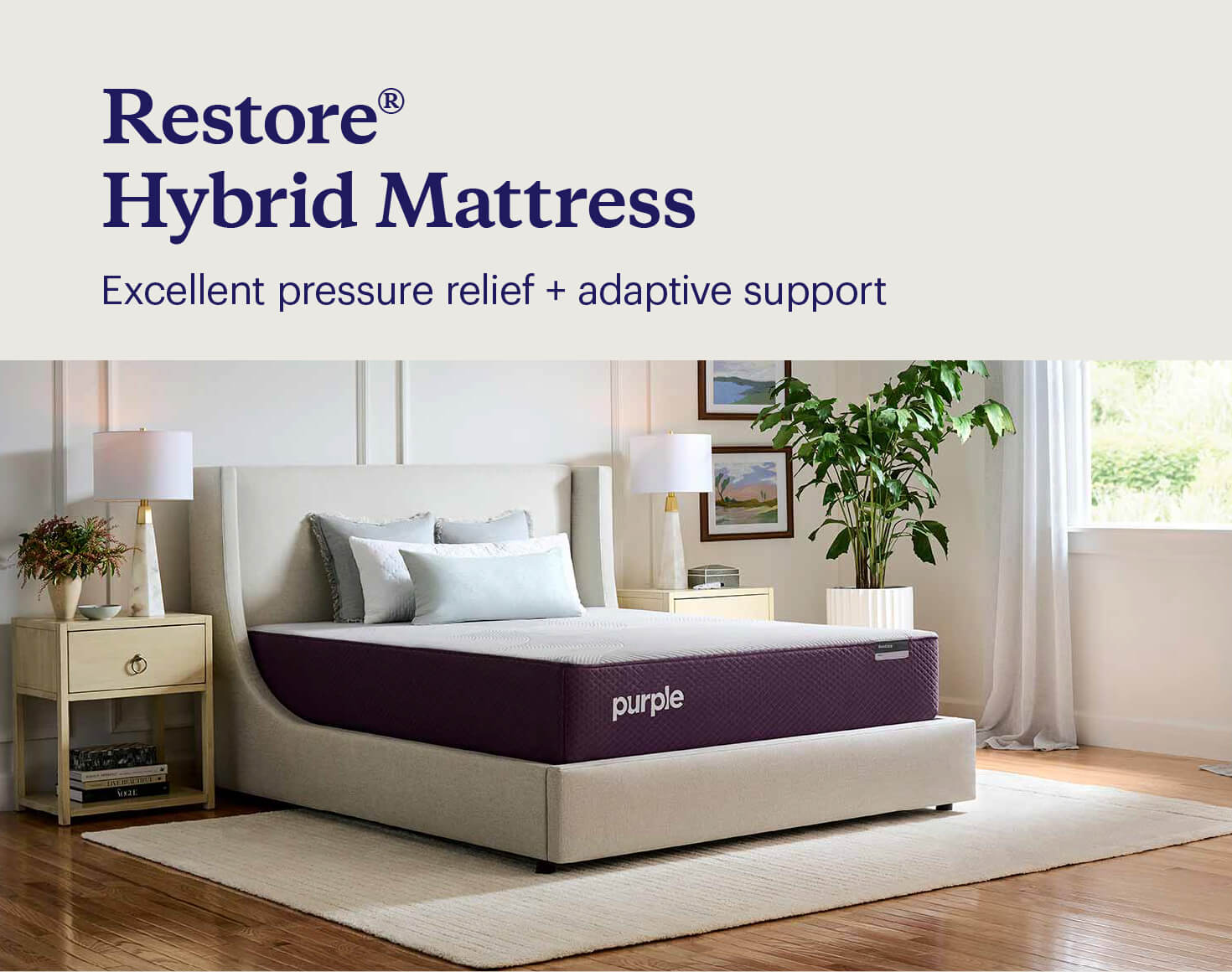
The Restore® Hybrid Mattress keeps you cool with non-toxic materials for a superior night’s sleep. The GelFlex Grid® dissipates heat, allowing for cooler sleep so you can fall asleep faster and sleep deeper. Responsive Edge-to-Edge Coils promote better airflow while also providing the support your body needs, even as you shift your position. With CertiPUR‑US® certified foam and Clean Air GOLD certification, Purple mattresses like the Restore® Hybrid are certified to have low VOCs for better indoor air quality.
Debating whether you need a mattress protector? Thanks to its antimicrobial finish, the Softflex Cover on the Restore® Hybrid Mattress helps inhibit the growth of bacteria and other microorganisms. This way, you get the comfort and cooling you need, even as you get extra protection against dust mites and other allergens — without the need for an additional mattress protector.
- Key features: 11.5” thickness, 2” GelFlex Grid®, Edge-to-Edge Coils, Edge Support System, Antimicrobial Finish, Comfort Layer
- Sizes: Twin XL, Full, Queen, King, Cal King, Split King
- Price: $1,999-$3,998
“We love our new Purple mattress! It is so comfortable! Both my husband and I are sleeping much better, when one of us moves, the other person can barely feel it which promotes more sleep for the both of us! ” — Michelle G., Restore® Hybrid review
Best mattress materials for allergies
When trying to find the best mattress for allergies and asthma, there are certain traits you should look for. By focusing on key features like the mattress material and certifications, as well as its base and bed frame compatibility, size capacity, and additional functionality, you can get a mattress that may help reduce allergy symptoms and support healthy sleep.
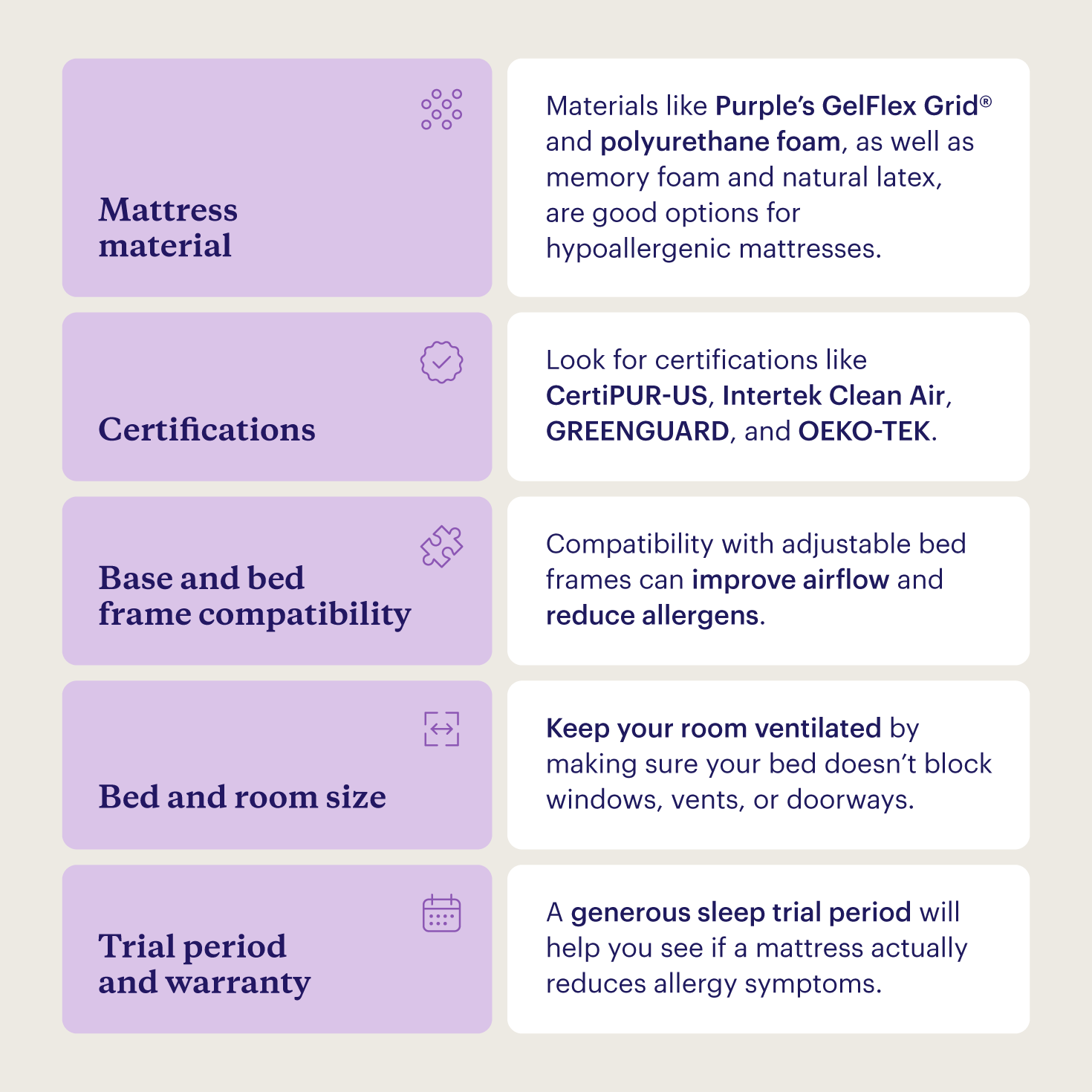
The materials inside your mattress affect how it handles allergens.
Some trap heat and moisture. Others allow airflow and resist buildup.
Material | How it helps with allergies | Potential drawbacks |
GelFlex Grid® (Purple) | Promotes airflow and reduces heat + moisture buildup | Unique feel may take adjustment |
Memory foam | Dense structure limits deep allergen penetration | Can trap heat if not breathable |
Natural latex | Naturally resistant to dust mites and mold | Not suitable for latex allergies |
Innerspring | Allows more airflow than foam | Can collect dust over time |
Material breakdown
GelFlex Grid®
Designed for airflow, helping reduce heat and moisture buildup while providing support and comfort without trade-offs.Memory foam
Often considered hypoallergenic, but breathability varies. Less airflow may lead to heat and moisture retention.Natural latex
Naturally resistant to dust mites and mold, but not suitable for people with latex sensitivities.- Innerspring
More breathable than foam, but still requires maintenance to limit allergen buildup.
Certifications
The mattress industry has many different certifications to ensure mattresses meet safety standards, possess certain properties, or meet other important requirements. When shopping for a mattress for allergies, these are some certifications to look for:
- CertiPUR-US: CertiPUR-US certification requires that mattresses are made without formaldehyde, zone depleters, phthalates, heavy metals, or harmful chemicals — all of which can aggravate asthma and allergy symptoms. All Purple mattresses are CertiPUR-US certified, with low VOCs and safe materials.
- Intertek Clean Air: The Intertek Clean Air certification tests a wide range of products for VOC compliance. Purple’s mattresses are Clean Air GOLD certified, meaning they contribute to improved indoor air quality.
- GREENGUARD: GREENGUARD certification sets emission limits for hypoallergenic mattresses and other furniture items to ensure they meet chemical emissions requirements.
- OEKO-TEX: OEKO-TEX tests mattresses and other textile products for harmful chemicals.
How to reduce allergens in your bed
Creating an allergy-friendly bed goes beyond the mattress.
Here are simple ways to reduce allergens:
Use a mattress protector
Adds a barrier against dust mites and buildup.Wash bedding regularly
Use hot water to remove allergens.Choose breathable bedding
Helps reduce heat and moisture.Control humidity
Lower humidity helps limit dust mites.Clean your mattress regularly
Helps reduce dust and debris.
Pairing these habits with a breathable mattress creates a more complete approach to reducing allergens.
Are hypoallergenic mattresses worth it
Getting a mattress made with hypoallergenic materials can help reduce exposure to allergens and improve comfort for some people with allergies. Purple mattresses contain materials with hypoallergenic properties that can make it more difficult for dust mites and other allergens to build up. Reducing allergy triggers at night can reduce nighttime discomfort and support healthy sleep.
Mattresses with hypoallergenic materials aren’t the be-all and end-all for allergy relief. As Wright notes, “A hypoallergenic mattress is helpful, but regular maintenance like washing bedding weekly/regularly, spot-cleaning the mattress when needed, and using dust-mite-proof covers is also important.”
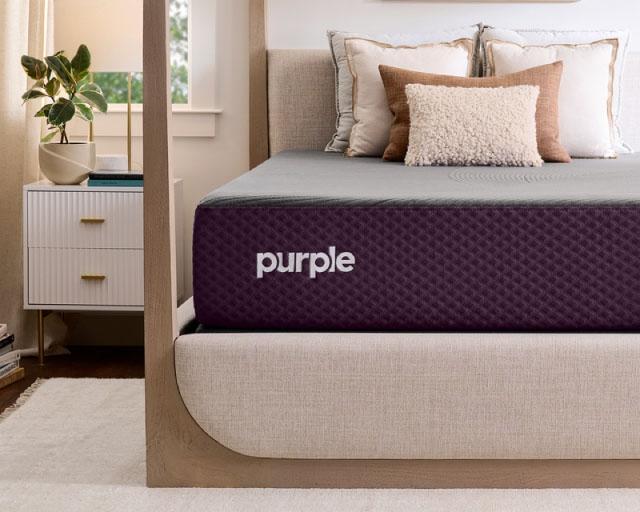
Sleep Soundly With Purple
Purple mattresses are fiberglass-free and promote comfortable, restful sleep for all sleepers.
FAQ
A mattress for allergies is designed to help minimize discomfort and reactions for people with asthma or allergies. These mattresses are made with hypoallergenic materials like polyurethane foam, natural latex, or memory foam, which are naturally less likely to harbor dust mites and other irritants.
Natural latex and polyurethane foam are among the most resistant to allergens thanks to their properties that deter dust mites, pollen, mold, and other irritants. A natural latex mattress isn’t recommended if you have a latex allergy.
The Purple Waterproof Mattress Protector is a strong choice for those with allergies. With antimicrobial and hypoallergenic properties, this mattress protector is designed to help reduce allergen accumulation. Its silent, no-crinkle fabric also supports undisturbed sleep, while its waterproof and stain-resistant properties protect your mattress from spills and contaminants, which could otherwise contribute to allergen growth.
The Purple Waterproof Mattress Protector is a strong choice for those with allergies. With antimicrobial and hypoallergenic properties, this mattress protector helps keep allergens and bacteria away. Its silent, no-crinkle fabric also ensures undisturbed sleep, while its waterproof and stain-resistant properties protect your mattress from spills and contaminants that could otherwise foster allergen growth.
More To Explore
Level up your sleep routine with our most-loved products.
-
Bestselling quick shipOn sale
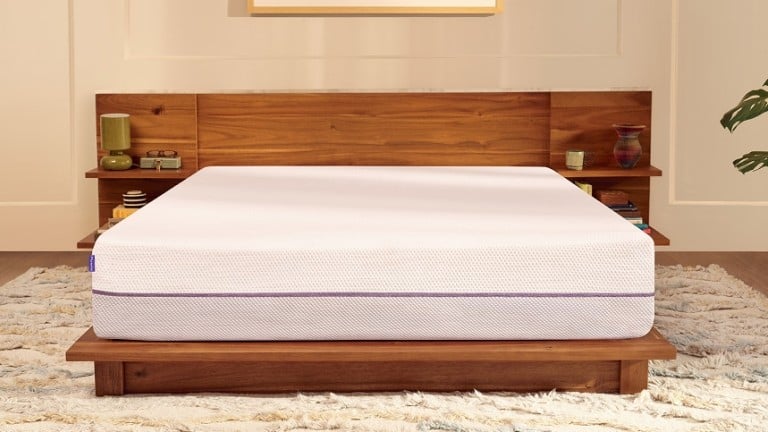
PurplePlus® Mattress
From Is dollars Is now dollarsShop PurplePlus® MattressCradling support that never traps heat + isolates motion to avoid disruptions.
-
The original PurpleOn sale
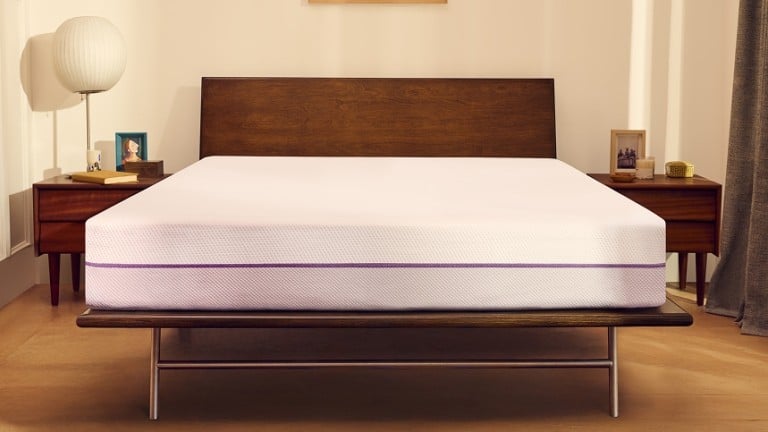
The Purple Mattress®
From Is dollars Is now dollarsShop The Purple Mattress®Balanced support that never traps heat.
-
Online exclusive
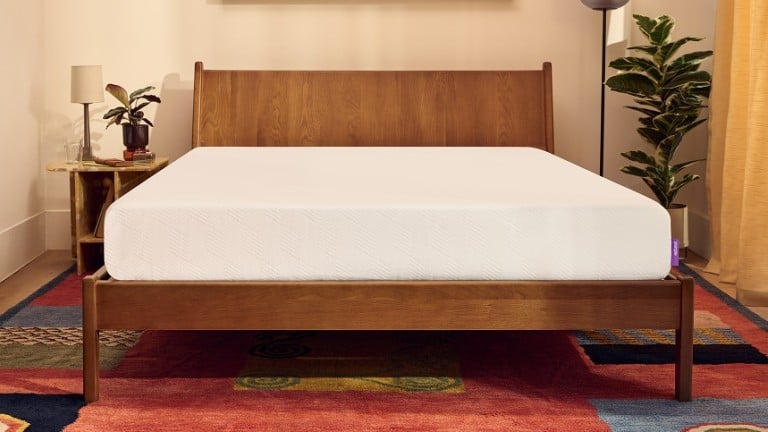
PurpleFlex® Mattress
From Is dollars Is now dollarsShop PurpleFlex® MattressFirm support that never traps heat.


-
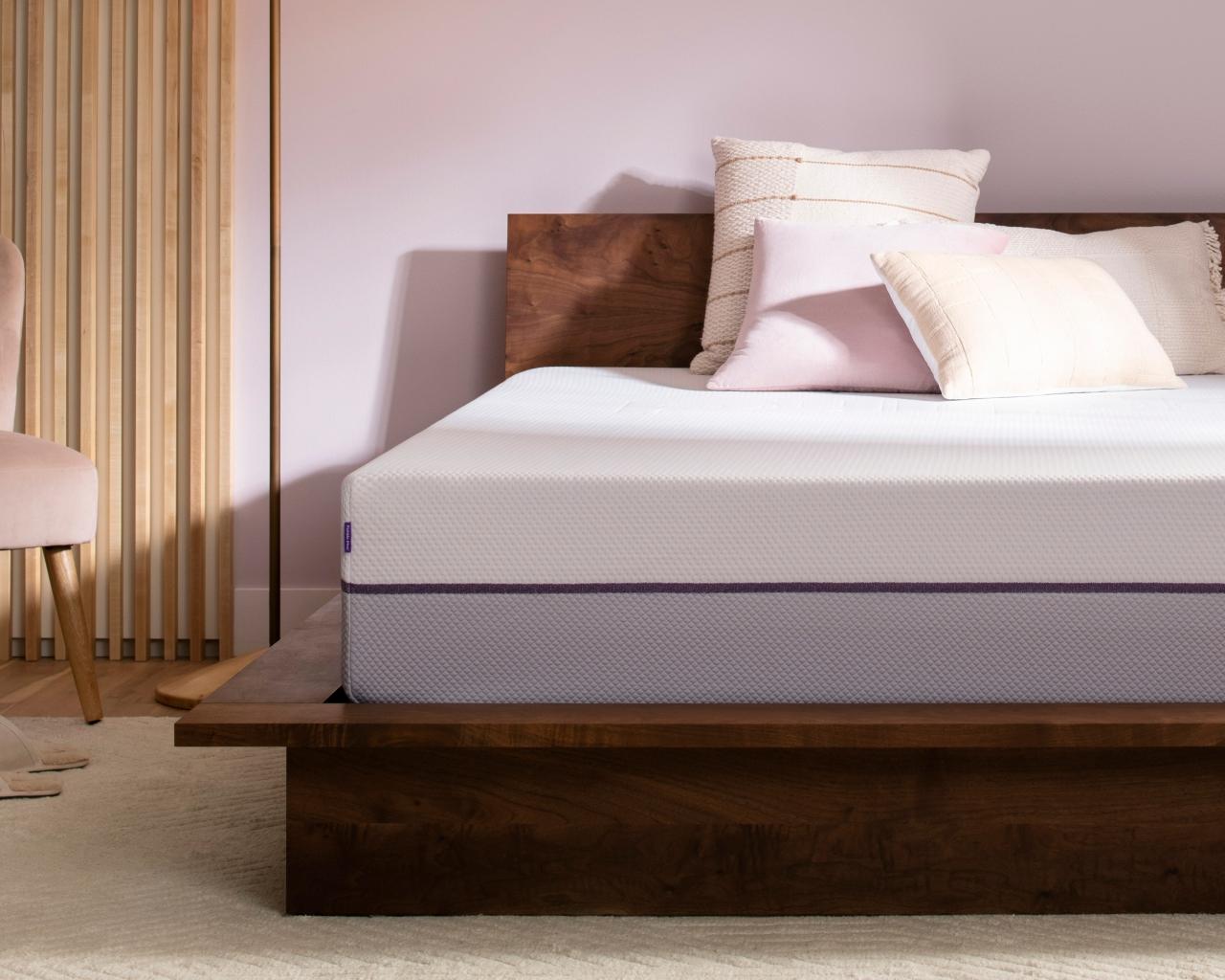 Purple Essential CollectionExperience the instantly adaptive GelFlex® Grid — at our best price.
Cradling comfort from the Purple GelFlex Grid
Easy, fast delivery
-
 Restore Hybrid CollectionStep up with a hybrid construction for enhanced pressure relief, support + up to 4x more cooling.*
GelFlex Grid + comfort layers for enhanced pressure relief
Maximum cooling — up to 4X cooler2 than competitors
Coil System provides responsive support
-
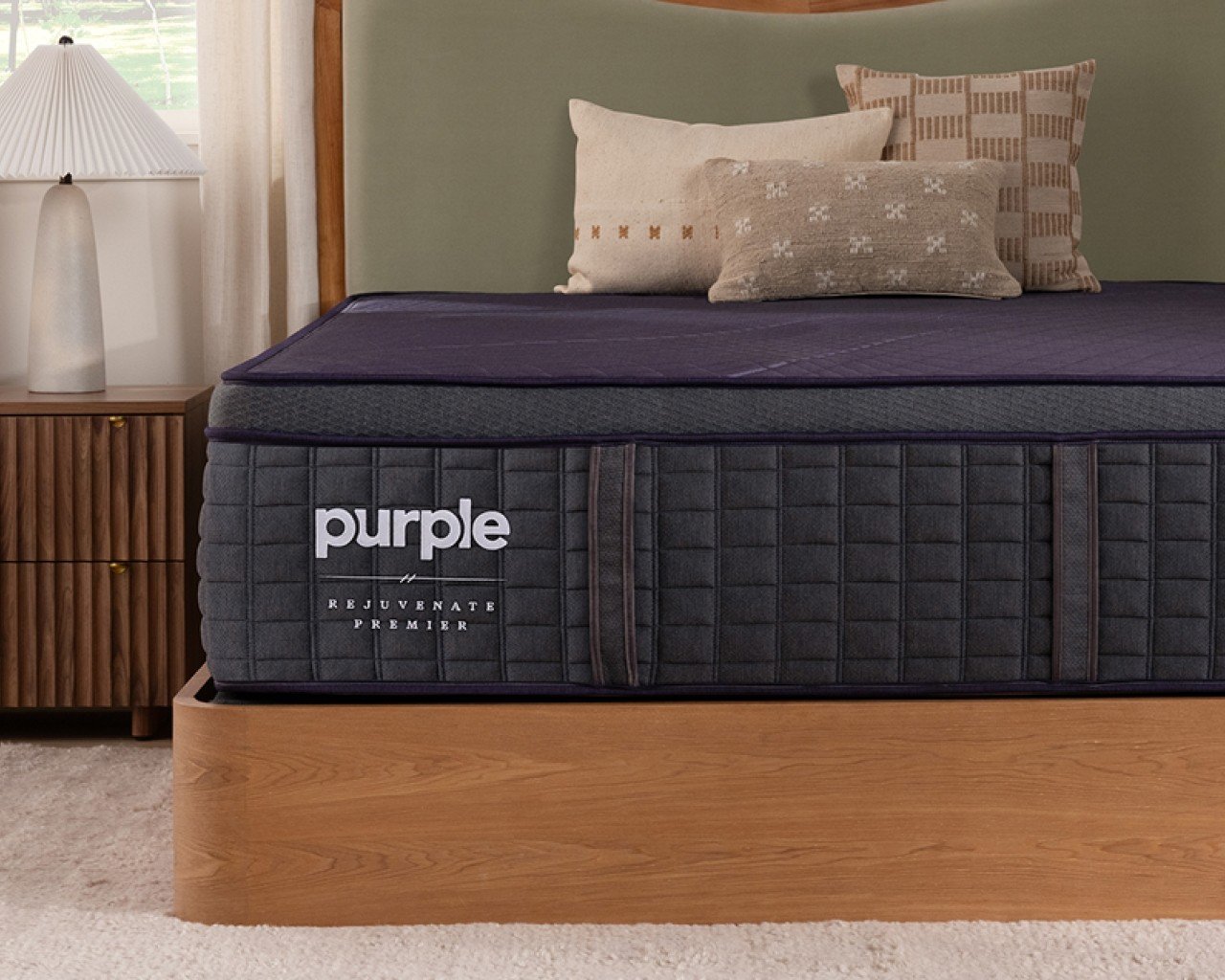 Rejuvenate Luxe CollectionQuilted Euro Top, enhanced comfort layers + hybrid construction offer maximum support.
All-new DreamLayer™ for soothing surface comfort
Layered Grid offers exceptional, full-body pressure relief
Adaptive Response Foam unlocks the Grid’s full comfort potential
Responsive coils maximize mattress cooling, longevity + stability


