Treatment for a Blocked Nose at Night: Causes + Tips To Help You Breathe Better


How to unstuff your nose instantly
For immediate nasal relief, try nasal decongestants, saline rinses or sprays, antihistamines for allergy symptoms, and intranasal corticosteroids. Long term, consider adjusting your sleep position, keeping your bedroom clean, and talking to a doctor if necessary.
Whether you’re dealing with seasonal allergies or a cold, a clogged, congested nose can leave you tossing and turning all night long. While there are many tricks and tips for when you can’t sleep, they don’t always work when you’re experiencing nighttime congestion. Instead, you need to find the best treatment for a blocked nose at night.
Fortunately, there are many nasal congestion treatments that can offer the relief you need. Some are meant to provide immediate relief of your symptoms, while others are more focused on long-term solutions.
Read along to learn more about some of the most effective strategies for dealing with nasal congestion at night so you can get to sleep faster.
Disclaimer: This is not a substitute for medical advice and is intended for informational purposes only.
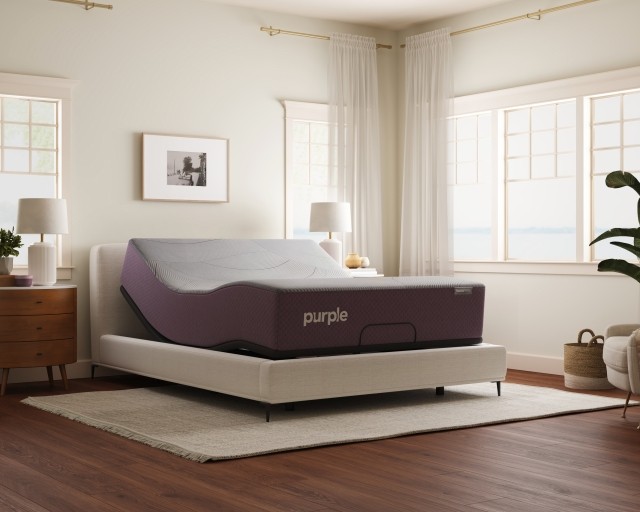
Raise Your Head and Breathe Easier
Elevating your head can help keep airways clear. Purple’s adjustable bases offer customizable comfort so you can sleep soundly.
1. Use Nasal Sprays and Rinses for Rapid Relief
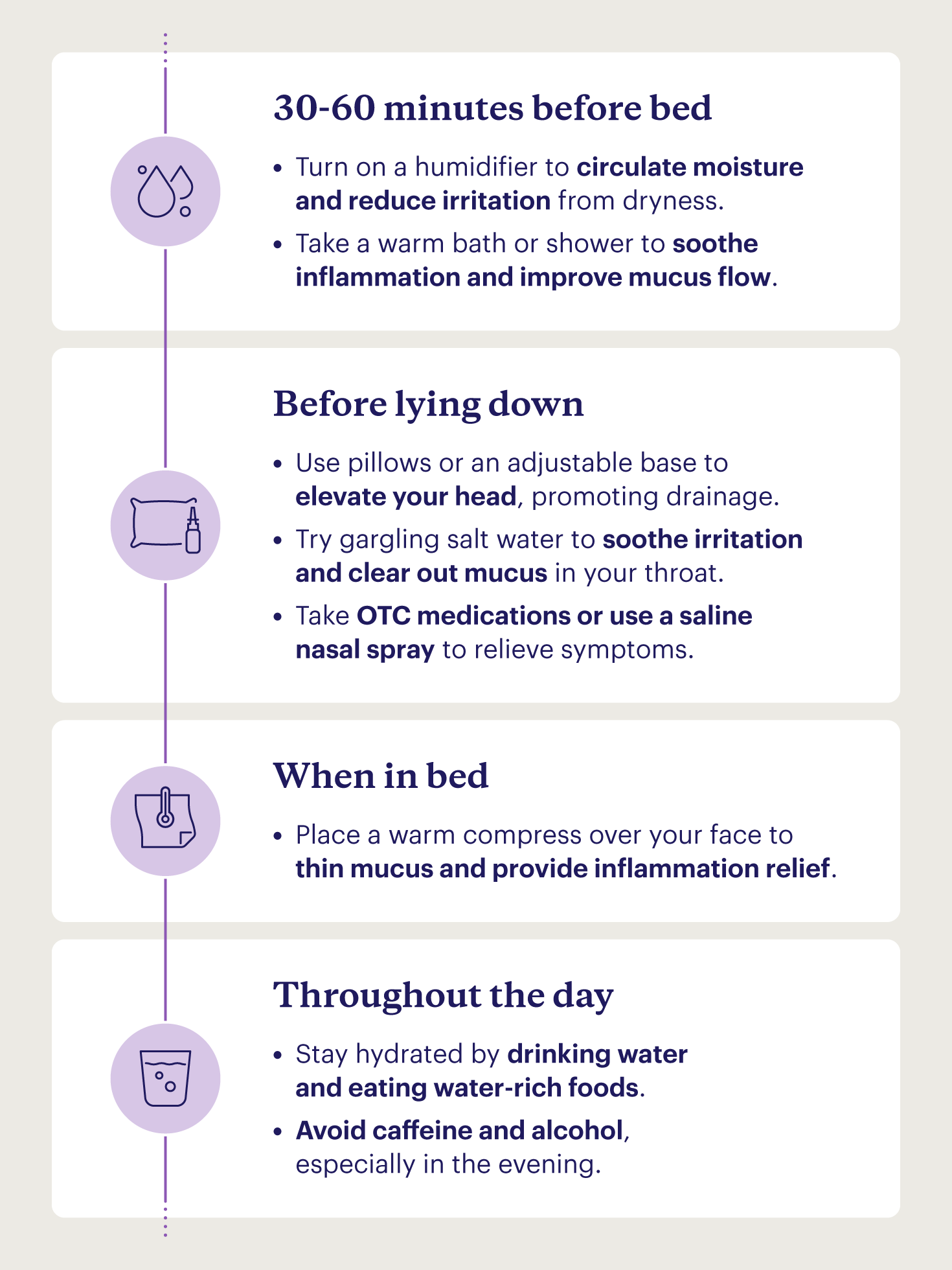
Nasal sprays and rinses are designed to provide quick relief when your nose is congested or irritated. These sprays moisturize dry nasal passages, which helps remove dust, pollen, and other irritants. When you’re sick, these sprays can also thin the mucus in your nose so it’s easier to remove.
Here are the most common spray options:
- Saline solutions: Standard saline solutions use a salt and water mixture to moisturize your nose and remove irritants and mucus.
- Corticosteroid nasal sprays: These sprays use anti-inflammatory drugs to reduce swelling and other issues related to conditions like asthma, chronic obstructive pulmonary disease (COPD), and allergic rhinitis.
2. Explore Over-the-Counter Options
In addition to nasal sprays, there are several different types of medicines you can purchase over the counter to combat bedroom allergies:
- Decongestants: Decongestants reduce swelling in your nose’s blood vessels. They are usually taken for colds and flu, sinus infections, or allergies.
- Antihistamines: Antihistamines treat congestion by decreasing swelling and inflammation and relieving related symptoms like a runny nose and sneezing.
- Menthol: Menthol chest rubs and lozenges create a cooling sensation that relieves feelings of congestion. While menthol doesn’t actually improve airflow, it still provides some symptom relief.1
- Nonsteroidal anti-inflammatory drugs (NSAIDs): Over-the-counter drugs like acetaminophen and ibuprofen can reduce the sinus pressure pain that can occur alongside nasal congestion.
- Nasal strips: You can place nasal strips on the bridge of your nose to widen your nasal passages. This allows for more airflow, making it easier to breathe.
3. Try a Humidifier
Sleeping with a humidifier is a simple yet powerful solution for addressing congestion and irritation. Dry air makes you more vulnerable to irritation, congestion, and other forms of discomfort.2 A humidifier adds moisture to the air in your bedroom, which soothes dryness (especially in winter). Using a humidifier also traps airborne allergens and irritants, which can help make indoor air healthier.
4. Elevate Your Head
Nose stuffiness can sometimes feel worse when you lie down. That's because gravity naturally causes mucus to pool in the back of your throat, which can make it difficult to fall asleep.
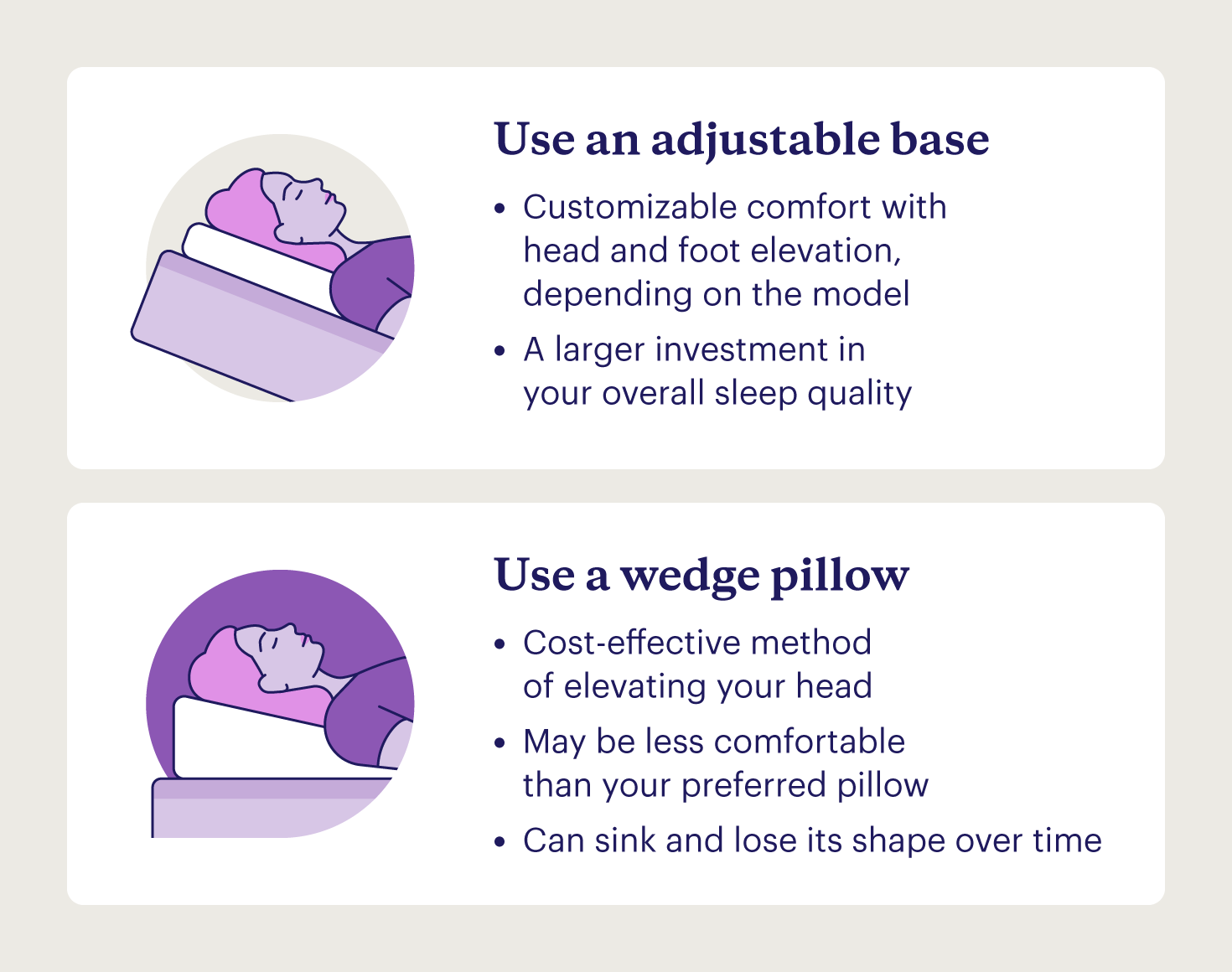
Slightly elevating your head at night can promote proper drainage and reduce congestion.3 An adjustable bed frame makes it much easier to achieve this without sacrificing comfort. With an adjustable bed, you can elevate your head to reduce pressure on your nasal passages and keep them more open.
5. Adjust Your Sleep Position
To sleep well while congested, you may also need to change your sleep position. Sleeping on your back with your head elevated is generally considered the best way to sleep when congested. Sleeping on your side can also work when the more congested nostril is facing up.
Avoid sleeping on your stomach or completely flat on your back, as this can cause more mucus to accumulate in your nose or throat.
6. Place a Warm Compress on Your Face
Placing a warm compress (such as a clean washcloth that has been dampened with warm water) on your face is an easy way to relieve congestion and irritation. The warmth increases blood flow to your sinuses, which reduces inflammation and loosens mucus.4
For best results, place a damp washcloth over your nose and forehead for about 10 to 15 minutes. Repeat as often as needed.
7. Take a Warm Bath or Shower
Taking a warm bath or shower before bed can also relieve congestion. The hot water and steam loosens up mucus in your nasal passages, making it easier to drain them out before you go to bed. The steam and heat can also open up and moisturize your nasal passages, reducing irritation and making it easier to breathe.
8. Stay Hydrated
Increasing your fluid intake while sick (like water, tea, or an electrolyte drink) can thin mucus and relieve congestion. Staying hydrated also improves your body’s ability to flush out irritants and allergens that are contributing to your symptoms.5
Be sure to avoid alcohol, as it contains histamines and can thicken mucus. Alcohol has also been linked with poor sleep quality even when you aren’t dealing with congestion.6
9. Keep Your Bedroom Clean
If you’re consistently having trouble figuring out how to stop coughing at night, your bedroom itself could be to blame. Irritants and allergens, including mold on your mattress, can get trapped in your bedding and worsen your symptoms, especially with an older mattress.
Wash your bedding at least once a week, and possibly more often if you have severe symptoms. You should also regularly clean the mattress itself.
Be sure to replace elements of your bed when they wear out, as old and worn bedding can be harder to clean effectively. Add-ons like the Purple Mattress Protector® offer an extra barrier against dust mites, dander, and other irritants to help relieve symptoms.
10. Try Home Remedies
Just like how eating the right foods can help you sleep better, there are also a variety of simple home remedies that can help treat a blocked nose, coughing, congestion, and other nighttime symptoms.
Here are some of the more popular home remedies that can relieve your symptoms:
- Try essential oils: Certain essential oils, such as eucalyptus, peppermint, and lavender, have decongesting, soothing, or anti-inflammatory effects.7 Simply dilute them by adding a few drops to your humidifier. Don’t use them if you have pets, as essential oils can actually make them sick.
- Gargle salt water: Gargling salt water is a popular home remedy for relieving sore throat, inflammation, and congestion.8 Mix half a teaspoon of salt in a glass of warm water and gargle for 10 to 15 seconds at a time. Be sure to spit it out when you’re done!
- Eat spicy foods: Capsaicin, a compound found in spicy food, can irritate your nasal passages in a way that increases mucus production.9 This can also help relieve nighttime congestion by clearing out your nose. Just don’t eat too close to bedtime so you don’t experience acid reflux.
- Sip hot tea or soup: Drinking hot tea or soup can relieve congestion by opening up your nasal passages and helping you stay hydrated.
- Try accupressure: Applying gentle pressure to different parts of the body (such as the area above the bridge of your nose or the area below your cheekbones) is believed to help alleviate sinus pain and congestion.10
11. Talk to Your Doctor
If you're still struggling to find what helps with a stuffy nose at night, you might need to talk to your doctor. Professional medical treatment for a blocked nose at night could be necessary if you’re experiencing the following symptoms:11
- Nighttime congestion that lasts for more than 10 days
- Congestion accompanied by facial pain or severe headache
- High fever that lasts for more than three days
- Frequent sinus infections
Your doctor can help you identify underlying issues that could be to blame and prescribe medication to help relieve symptoms so you can sleep better.
What Causes a Stuffy Nose at Night?
There are several potential culprits behind your congestion. If you want to figure out how to get rid of a stuffy nose at night, you should first figure out what’s behind your symptoms.
- Allergies: Pollen, dust, and other allergens can irritate the nose and throat, causing coughing, sneezing, and congestion.
- Cold or flu: Congestion and a severe runny nose often accompanies the cold or flu.
- Sinus infection: When your sinuses become inflamed by trapped allergens or a viral infection, congestion and facial pressure usually result.
- Rhinitis: Rhinitis is inflammation of the nasal lining due to allergies, infections, or exposure to irritants like smoke or chemicals. Congestion, sneezing, and a runny nose are often accompanied by dry eyes.
- Acid reflux: Acid reflux or heartburn occurs when stomach acid flows back into the throat. If stomach acid travels all the way to the nasal passages, it can cause congestion, inflammation, and even sinus infections.12
- Sleep apnea: Sleep apnea is when airflow obstructions cause temporary pauses in breathing during sleep. Sleep apnea can increase inflammation and dry out the nasal passages, increasing the risk for congestion. At the same time, congestion can make sleep apnea worse.13
- Dry air: Dry air can dry out your nasal passages, leaving you at greater risk of irritation and congestion. Dry air is most severe during the winter.
- Hormonal changes: Changes in estrogen levels have been linked with increased likelihood of nasal irritation and congestion, especially during menopause.14
Is It Dangerous To Sleep With a Blocked Nose?
Sleeping with a blocked nose isn’t dangerous in and of itself, though it can cause significant discomfort and disrupt your sleep — and that can become dangerous. Not getting enough sleep could make you more likely to fall asleep while working or driving, which could cause a serious accident.15
For this reason alone, getting treatment for a blocked nose at night should always be a priority. Whether you just need some home remedies or need to replace an old mattress, taking steps to improve your sleep environment and address inflammation can keep congestion from disrupting your sleep.
Breathe Easier With Purple
Purple mattresses are a great choice if you need to update your mattress as part of this process. Made with hypoallergenic materials, our innovative GelFlex Grid®, also known as a Gel Matrix™, keeps allergens out and air circulating to promote healthier sleep.
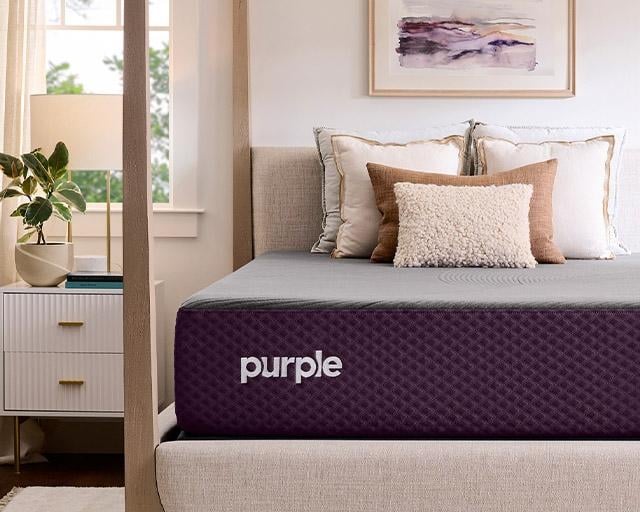
Soothing Support and Pressure Relief
Every Purple mattress features the GelFlex Grid®, which instantly adapts to your body to give you relief and support where you need it.
FAQ
The fastest solution for how to unclog your nose at night usually involves using a saline spray, applying a warm compress, or inhaling steam (such as by taking a hot shower). Warmth and moisture help loosen mucus and relieve irritation.
If you’re struggling with how to sleep with a stuffy nose, start by elevating your head to keep mucus from pooling in your nose. Using a humidifier in your room can also relieve nighttime nasal congestion by adding moisture to the air, which thins mucus.
Saline nasal sprays are a quick and easy solution for relieving a stuffy nose. Nasal decongestants and antihistamines can also work well, especially when allergies are to blame. NSAIDs can help reduce inflammation in your sinuses.
Warm drinks like herbal tea can help clear your sinuses by thinning mucus, relieving inflammation, and helping you stay hydrated. The steam from the drink can also relieve nasal irritation. Avoid alcoholic drinks, which could worsen symptoms.
Sleeping on your back with your head elevated is the best way to sleep with a stuffy nose because it promotes better drainage of mucus from your nasal passages and sinuses. This reduces the likelihood of becoming congested in a way that would make it harder to breathe while sleeping.
More To Explore
Level up your sleep routine with our most-loved products.
-
Special offer

Purple Adjustable Base
From Is dollars Is now dollarsShop Purple Adjustable BaseSleep or sit up at your perfect incline
-
Special offer

Purple Premium Smart Base
From Is dollars Is now dollarsShop Purple Premium Smart BaseCustomized comfort + support, day + night
-
Super stretchyOn sale
Purple SoftStretch® Sheet Set
From Is dollars Is now dollarsShop Purple SoftStretch® Sheet SetSmooth + stretchy to maximize GelFlex Grid benefits
About the authors

Sydney brings more than five years of experience writing about a range of topics including health, lifestyle, and technology. They have a B.A. in Creative Writing and Literature from Lebanon Valley College. They’re a big fan of sharing dreams and discussing symbolism for fun. Sydney is always searching for tips to improve their sleep quality and hopes to help others get the best sleep possible with their writing.

Brooke Reynolds is a Senior product manager of bases and smart comfort at Purple. She's passionate about designing bases specifically to support Purple mattresses and educating customers on how adjustable bases can improve sleep, provide targeted support and enhance your bedtime routine.
Sources
- European Review for Medical and Pharmacological Sciences
- Cleveland Clinic
- Northwell Health
- Mayo Clinic
- Mayo Clinic
- SLEEP Advances
- Inflammopharmacology
- Journal of Global Health
- Food & Nutrition Research
- BMC Complementary Medicine & Therapies
- CDC
- Electronic Journal of Otolaryngology
- Nature
- The Journal of Allergy and Clinical Immunology: In Practice
- CDC


-
 Purple Essential CollectionExperience the instantly adaptive GelFlex® Grid — at our best price.
Cradling comfort from the Purple GelFlex Grid
Easy, fast delivery
-
 Restore Hybrid CollectionStep up with a hybrid construction for enhanced pressure relief, support + up to 4x more cooling.*
GelFlex Grid + comfort layers for enhanced pressure relief
Maximum cooling — up to 4X cooler2 than competitors
Coil System provides responsive support
-
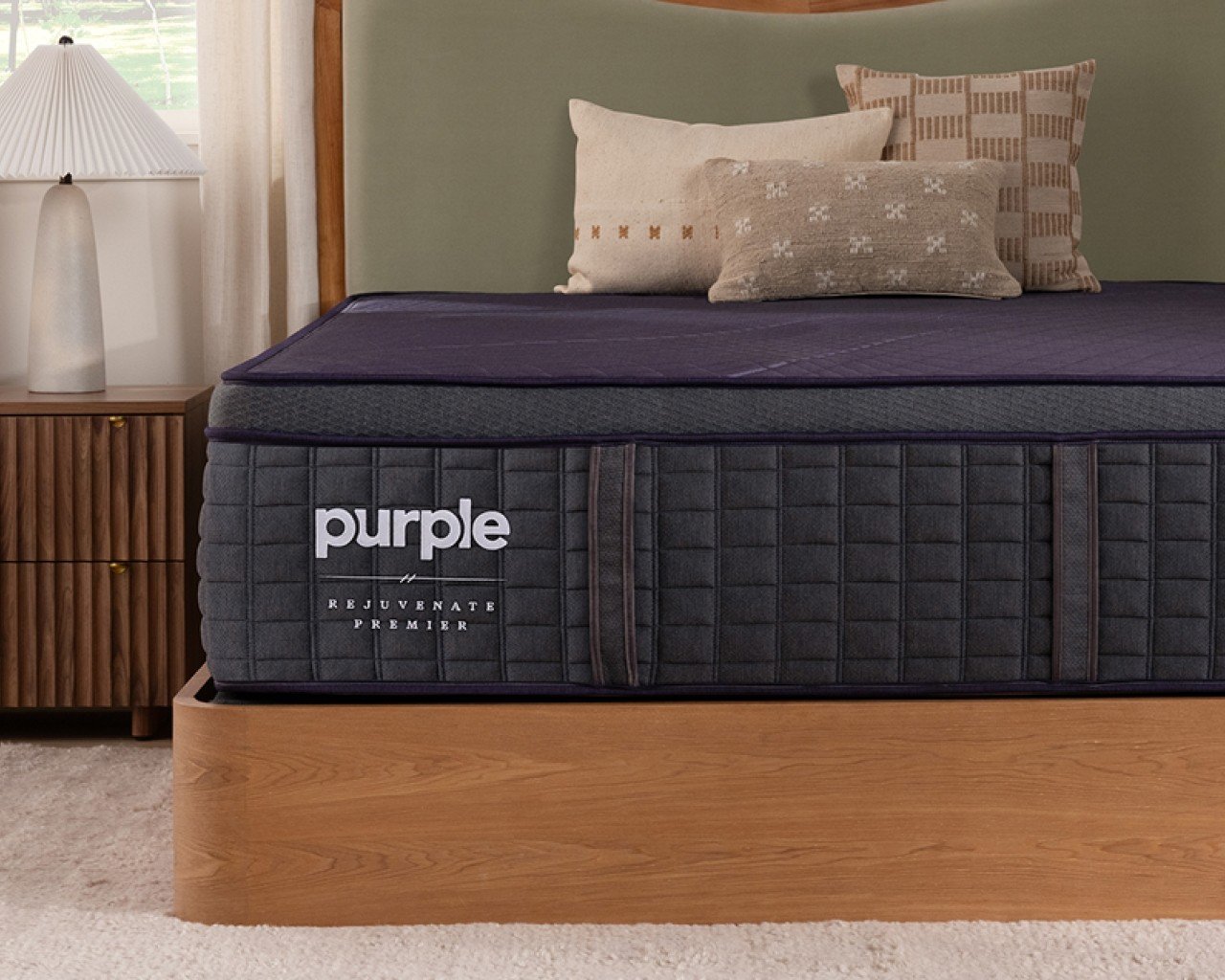 Rejuvenate Luxe CollectionQuilted Euro Top, enhanced comfort layers + hybrid construction offer maximum support.
All-new DreamLayer™ for soothing surface comfort
Layered Grid offers exceptional, full-body pressure relief
Adaptive Response Foam unlocks the Grid’s full comfort potential
Responsive coils maximize mattress cooling, longevity + stability


