How To Fix Your Sleep Schedule: 10 Tips To Get Back on Track


How can you improve your sleep schedule?
- A healthy sleep schedule (seven to nine hours for adults) ensures you get enough sleep each night.1
- A consistent sleep schedule and sleeping in a cool, dark, quiet space with a comfortable bed promotes good sleep.
- If you need to fix your sleep schedule, try to do it gradually with improved sleep hygiene and small schedule adjustments.
Are you finding it harder and harder to go to sleep at a reasonable time? Have you been struggling to wake yourself up in time for work or school more than usual? Do you find yourself feeling tired and unmotivated throughout the day? If you answered yes to any of these questions, then this guide on how to fix your sleep schedule may be just what you need.
Fixing your sleep schedule isn't always as simple as closing your eyes at the same time every night. Here, we break down some of the basics of making and sticking to an effective sleep routine that works for you, and offer some tips for what to do at night when you can't sleep.

Get Soothing Pressure Point Relief
The GelFlex Grid® cradles your body to relieve pressure points no matter what sleep position you prefer.
Read on to learn how you can make changes to support better sleep.
What Is a Healthy Sleep Schedule?
There is no one-size-fits-all bedtime and waking time for everyone. The answer depends on how many hours of sleep you need each night (it's different for everyone) and what time you need to be up in the morning.
According to the National Sleep Foundation, the appropriate sleep time for adults is between seven to nine hours. However, some adults require up to 10 hours of sleep or as few as six hours of sleep.1
Again, the right sleep schedule is relative and depends on what feels good for you. The only way to find out how much sleep you actually need is to test it. Try sleeping for different lengths and observe your quality of sleep and your mood, energy levels, and productivity the next day.
These sleep schedules could help if you can’t sleep seven to eight hours at night:
- Biphasic: A biphasic sleep schedule (also known as a medieval sleep schedule) has two sleep “shifts”: a five-hour shift at night and a 1.5-hour midday nap.
- Polyphasic: A polyphasic sleep schedule is another form of segmented sleep, with multiple short sleep periods rather than one long period.
- Night shift: A night shift sleep schedule adjusts for night work. This usually involves going to sleep for seven to eight hours as soon as you return home from work.
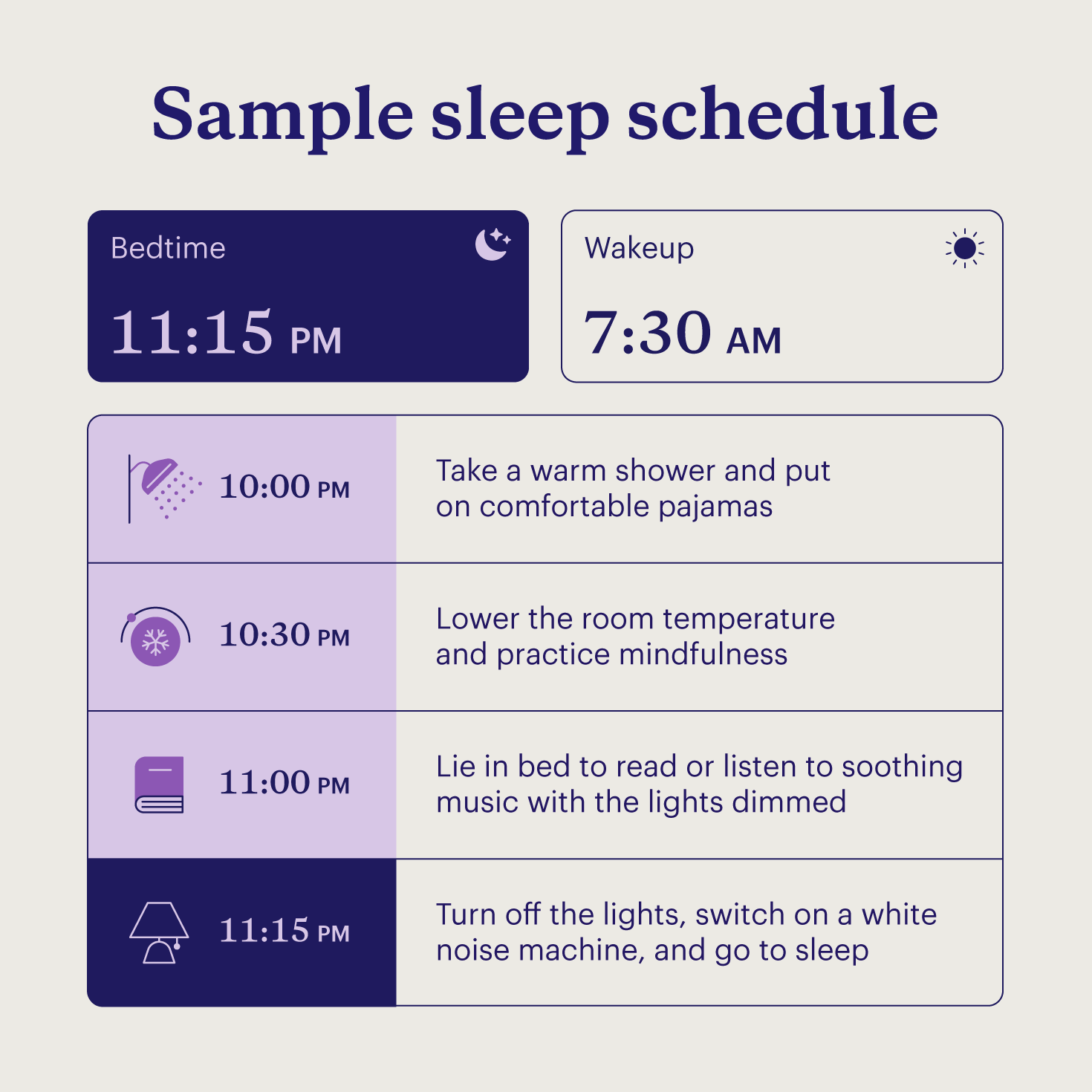
Regardless of the type of sleep schedule you follow, many of the best practices are the same. Improving sleep hygiene is an essential part of getting enough sleep for your needs. Here’s how to get your sleep schedule back on track.
1. Follow a Regular Schedule
Humans are creatures of habit — we thrive on bedtime routines and consistency. And that extends to the way we sleep.
It’s best for your body if you fall asleep and wake up at roughly the same time each day. When your sleep routine is interrupted, it’s important to get back to your regular bedtime routine as quickly as you can. The brain and body seem to work better with a regular rhythm set by a consistent sleep schedule.2
A consistent sleep schedule can help you get enough core sleep — the deep sleep that promotes physical and mental restoration.
2. Take a Gradual Approach
If your sleep schedule is far off from what you want, slowly adjusting your sleep and wake times can be easier than aiming for a hard reset. Rather than trying to figure out how to fix your sleep schedule in one day, your body will adjust better as you focus on how to reset sleep schedules bit by bit.
Our sleep calculator can help you determine your ideal sleep schedule based on your age and when you go to sleep or when you need to wake up. Use it to gradually adjust your sleep schedule until you can get to the desired sleep and wake-up times.
3. Use Light to Your Advantage
Light is a signal to your body and brain that it’s time to be awake. If you find yourself wanting to nod off during the day, it’s a good idea to expose yourself to natural light, especially in the morning.3
When it’s time to sleep, make sure your bed is in a nice, dark space. This tells your brain to crank up melatonin production so you can fall right asleep. Turn the lights off in your bedroom and use blackout curtains or a sleep mask to block ambient light. This can help you fall and stay asleep and get a good night’s rest.4
Be especially mindful of light exposure before bed. Blue light (especially from screens) can make it harder to fall asleep, while yellow and red colored light can help you sleep better.
4. Keep Your Room Quiet
When it’s time to go to bed, a quiet environment can help you feel drowsy. Meanwhile, loud noises can prevent you from falling asleep.5
A sound machine can help mask outside noise with soothing sounds for sleep, such as waves or white noise. You should also turn off any disruptive sounds like text and email notifications. Most phones have a “Do Not Disturb” mode for bedtime.
5. Lower the Temperature
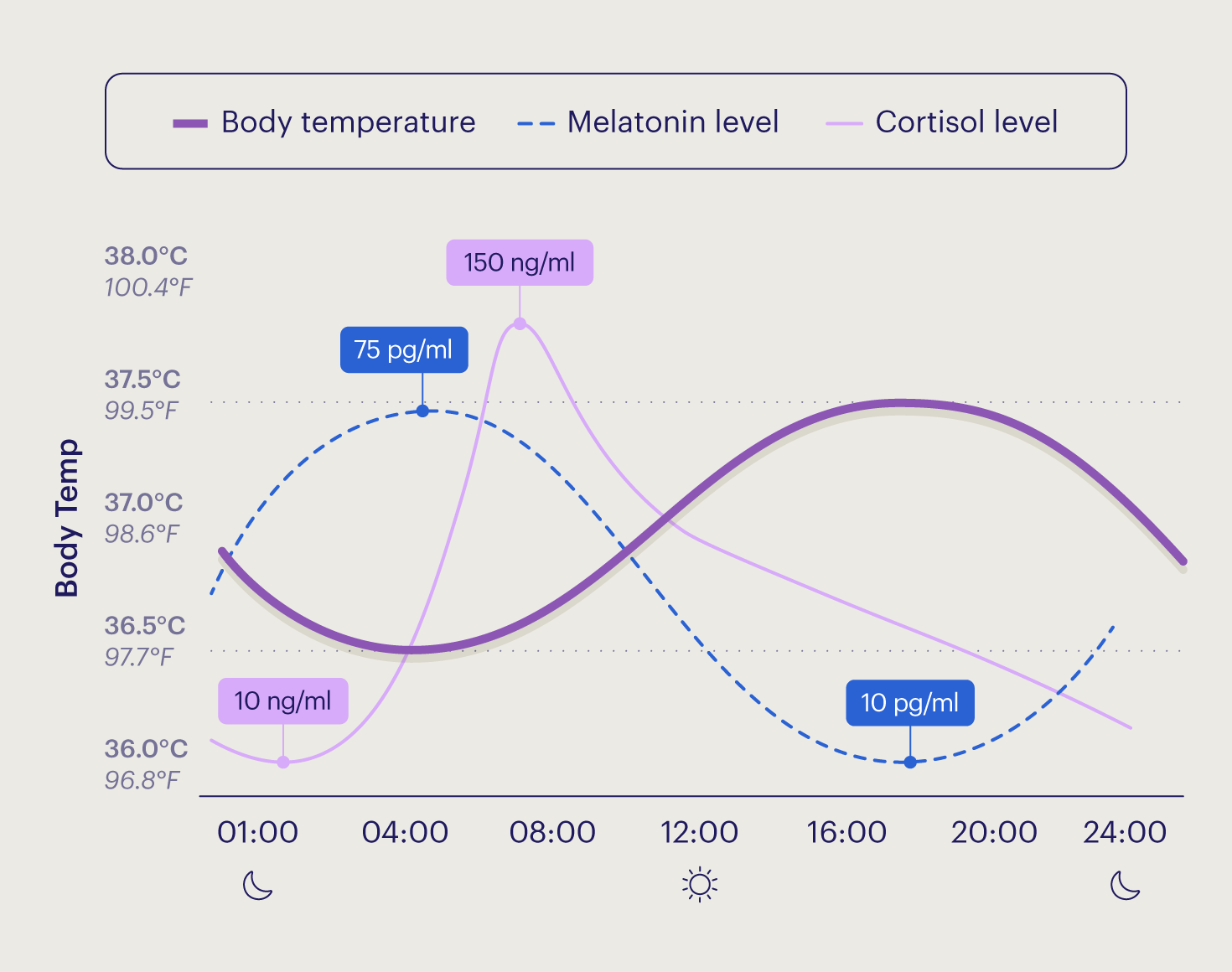
As our bodies prepare to sleep, our body temperature begins to drop. A cool bedroom can help this process and keep you sleeping well throughout the night.6
Most adults sleep best at temperatures between 60 and 72 degrees Fahrenheit. In addition to setting the thermostat lower at night, you can also use a fan during the hottest summer months to keep air circulating in your room. It also helps to invest in a cool mattress and breathable bed sheets that don’t trap body heat.
6. Relax
When we’re stressed or anxious, our bodies produce the stress hormone cortisol, which makes us feel wound up and on edge. This adrenaline makes it very difficult to fall asleep and stay asleep.7
To help relax your body and mind so you can fall asleep at a consistent time more easily, take steps to manage stress and wind down before bed. The goal is to essentially teach your body how to fall asleep fast. Effective relaxation methods include deep breathing exercises, meditation, stretching, yoga, and even journaling before bed.
7. Limit Screen Use
One of the best ways to fix your sleep schedule is to cut down on blue light exposure and screen use before bed. It’s all too tempting to scroll through your phone before going to sleep, but blue light exposure from your screen can suppress melatonin production and make it harder to fall asleep.8
To promote better sleep, avoid screen time for two to three hours before bed.8
8. Avoid Napping
Taking a long afternoon nap can keep you from feeling tired when it’s bedtime. If you need to nap, keep it to 30 minutes or less. This prevents you from moving into the deepest sleep cycles during the day, which can further disrupt your internal clock.9
9. Eat Early
When you eat a large or heavy meal shortly before you go to bed, it can be difficult to fall asleep. Instead, enjoy your last meal of the day at least two to three hours before you plan to go to bed.10
If you’re hungry before bedtime, limit yourself to a light snack — ideally, one that includes sleep-promoting foods like a piece of whole wheat toast with peanut butter.
Be careful of what you drink before bed, too. Caffeine and alcohol can trigger acid reflux and hamper your sleep rhythm, so it’s best to avoid them completely as bedtime approaches.11
10. Get the Right Support
Your head, neck, and shoulders need the right support from your mattress and pillow. If you’re sleeping on a bed or pillow that is sagging or not offering the right kind of pressure relief and support, you may find yourself tossing and turning at night to find the right sleeping position, which can end up disrupting your sleep schedule.
When you choose a mattress, make sure you pick an option that balances comfort and pressure relief. The GelFlex Grid® (also known as a Gel Matrix™) found in Purple mattresses cradles pressure points and keeps you cool for a good night’s sleep. A supportive bed frame also provides the stability your mattress needs for lasting performance.

Sleep Better With Purple
Discover the difference of the GelFlex® Grid, which provides unparalleled comfort and cooling support.
What Can Throw Off Your Sleeping Schedule?
There are several factors that can disrupt your sleep schedule, including:
- Blue light: Cell phones, tablets, laptops, and other electronic devices emit blue light, which reduces melatonin production. Blue light tricks your brain into thinking that it isn't time yet to go to bed.8
- Lack of sunlight: Not getting sunlight during the day can throw off your circadian rhythm and make it harder to fall asleep at night.12
- Shift work: It can take time for your body to adjust to a night shift sleep schedule for work.
- Jet lag: Traveling to different time zones can also throw off your sleep schedule. The greater the difference, the longer it takes to adjust.
- Medical conditions: Medical conditions such as Alzheimer’s disease, Parkinson’s disease, and blindness can also make it hard to have a consistent sleep schedule.13, 14, 15
How Long Does It Take To Fix Your Sleep Schedule?
It may take a couple of weeks to a few months to fix your sleep schedule. This will depend on factors like your sleep environment, your work or school schedule, chronotype, and ability to stick to a routine.
When trying to adopt healthy sleeping habits, try not to change too much too fast. For example, try moving your bedtime back by just 15 minutes every couple of days until you get to where it needs to be. Be patient as you make small changes that can help reset your circadian clock so you can fall asleep and stay asleep.
Improve Your Sleep Habits With Purple
With a little discipline and dedication, figuring out how to fix your sleep schedule when it gets off-balance is possible. Most people can successfully reset their body clocks within a couple of weeks after a short deviation, barring any serious sleep disorders.
If you try our tips and still have trouble sticking to a regular sleep schedule, or if you think you might be dealing with a sleep disorder, it’s best to consult with your doctor.
Don’t overlook how much a quality mattress can help. With a Purple mattress, you can get the comfort and pressure relief you need to enjoy deep sleep during your preferred sleep schedule. By pairing better sleep habits with a comfortable, supportive mattress, you can look forward to improved sleep quality.
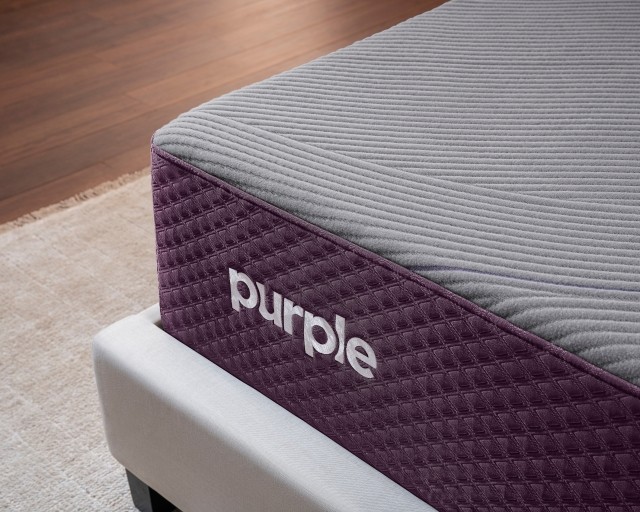
Premium Support for Better Sleep
Enjoy restful sleep with responsive CoolFlex™ coils and advanced edge support.
FAQ
A sleep schedule is your pattern of sleeping and waking. Ideally, even though each person’s sleep schedule is unique, most people are able to follow a consistent sleep schedule night after night.
The best sleep schedule is one that suits your circumstances and your circadian rhythm. For adults, this means getting seven to nine hours of sleep each night. You can set a sleep schedule that fits your needs based on when you need to wake up in the morning or go to sleep at night.
You can’t fix your sleep schedule in one day, and you shouldn’t try, as this can prove frustrating and even make sleep challenges worse. Instead, gradually adjust your sleep schedule over time (such as by changing your bedtime by 15 minutes each night) until you reach your desired bedtime.
The best way to fix your sleep schedule is to take a gradual approach, adjusting your bedtime bit by bit to reach your desired bedtime. Pair these schedule adjustments with healthy sleep habits that make it easy to fall asleep, such as sleeping in a dark, cool, and quiet space on a comfortable mattress.
Pulling an all-nighter will usually only make a disrupted sleep schedule worse by increasing sleep deprivation and leaving you exhausted the next day.16
The 10-3-2-1-0 rule involves modifying daytime habits for better nighttime sleep:
- 10 hours before bedtime: No more caffeine
- 3 hours before bedtime: No more meals or alcohol
- 2 hours before bedtime: No more work
- 1 hour before bedtime: No more screens
These guidelines ideally result in zero times hitting the snooze button in the morning because you will be rested and refreshed.17
More To Explore
Level up your sleep routine with our most-loved products.
-
Targets back painOn sale
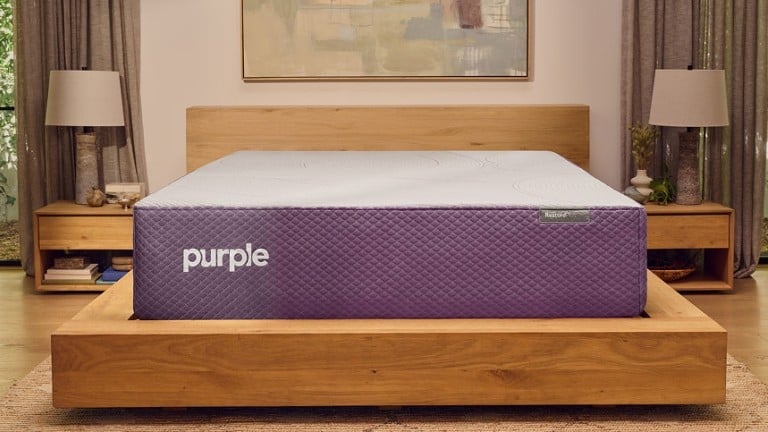
RestorePlus® Hybrid Mattress
From Is dollars Is now dollarsShop RestorePlus® Hybrid MattressCradling lower-back support with 3" GelFlex Grid's deep relief + zoned coils.
-

Purple Adjustable Base
From Is dollars Is now dollarsShop Purple Adjustable BaseSleep or sit up at your perfect incline
-
Best sellerOn sale

Purple Harmony™ Pillow
From Is dollars Is now dollarsShop Purple Harmony™ PillowInstantly responsive + doesn’t fall flat
Related Articles


-
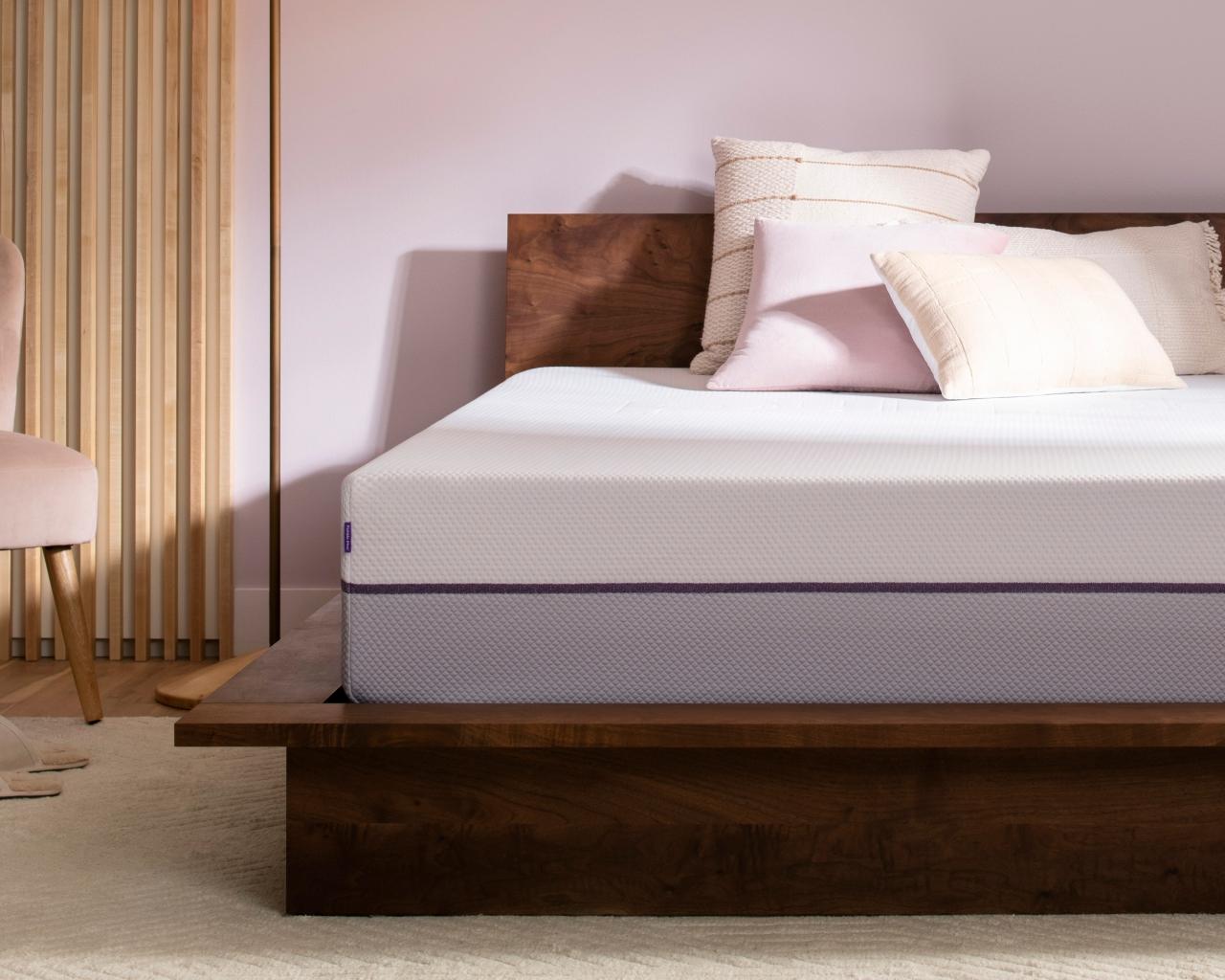 Purple Essential CollectionExperience the instantly adaptive GelFlex® Grid — at our best price.
Cradling comfort from the Purple GelFlex Grid
Easy, fast delivery
-
 Restore Hybrid CollectionStep up with a hybrid construction for enhanced pressure relief, support + up to 4x more cooling.*
GelFlex Grid + comfort layers for enhanced pressure relief
Maximum cooling — up to 4X cooler2 than competitors
Coil System provides responsive support
-
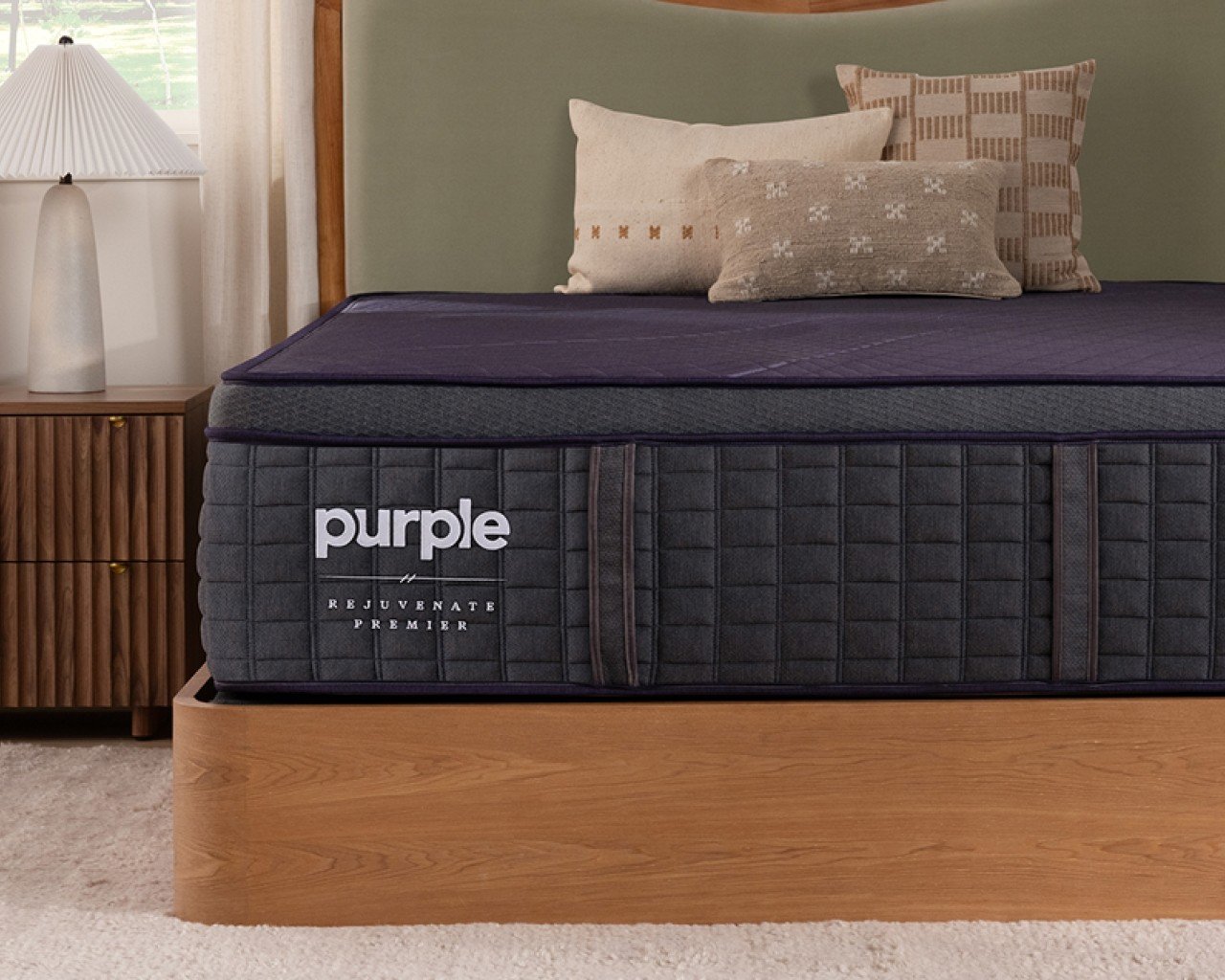 Rejuvenate Luxe CollectionQuilted Euro Top, enhanced comfort layers + hybrid construction offer maximum support.
All-new DreamLayer™ for soothing surface comfort
Layered Grid offers exceptional, full-body pressure relief
Adaptive Response Foam unlocks the Grid’s full comfort potential
Responsive coils maximize mattress cooling, longevity + stability


