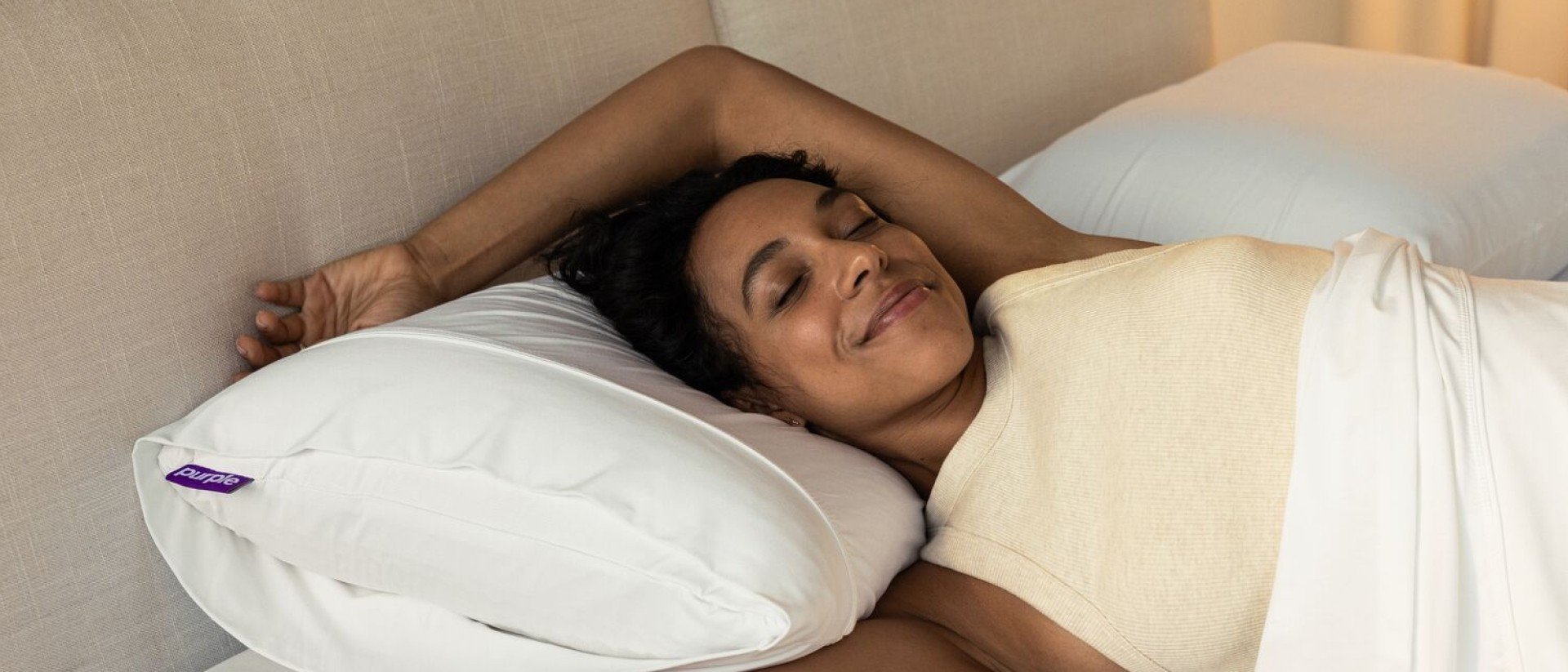
What Is Sleep Hygiene? 5 Tips for Better Sleep [+ Checklist]


Key Takeaways
- Sleep hygiene refers to healthy habits and practices you can do to get enough quality sleep at night.
- Good sleep hygiene helps you fall asleep quickly and stay asleep throughout the night, so you have enough energy in the morning and enjoy better physical and mental health.1
- You can improve sleep hygiene by following a consistent sleep schedule, avoiding screens, alcohol and caffeine before bed, and relaxing with activities like reading a book or journaling.2
When it comes to getting a good night’s sleep, few things are more important than sleep hygiene. In fact, common sleep disorders like insomnia are often directly linked to poor sleep hygiene.3
Healthy daytime and bedtime habits, paired with a good sleep environment, can make it easier to fall asleep and stay asleep so you feel better rested in the morning. This can also improve your overall physical and mental health.1
By understanding and practicing basic ways to improve sleep hygiene, you can get the rest you need each night. Let’s take a closer look at what you can do to improve your sleep quality — like investing in a supportive mattress that you love.
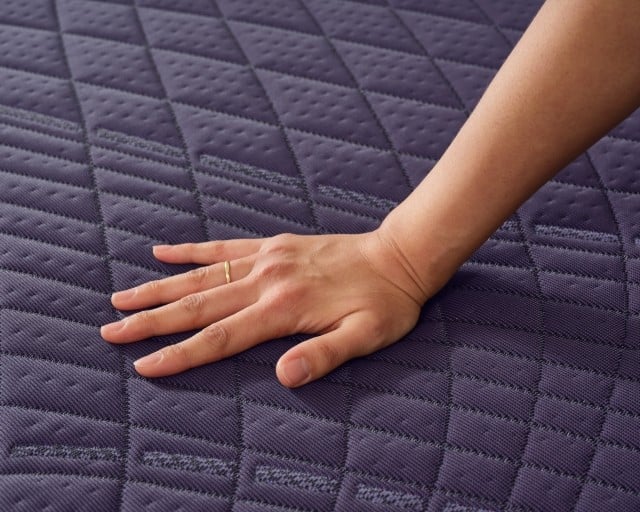
Experience the Purple Difference
Soothing pressure relief, full-body support, and superior airflow make Purple mattresses a great option for any sleeper.
What Is Sleep Hygiene?
Sleep hygiene is another way of describing the habits and practices you use to ensure you get quality sleep each night. For most adults, this means getting seven to nine hours of comfortable, uninterrupted sleep.2
“Sleep hygiene combines your surroundings and habits that ultimately determine how well your body actually rests.
I'd describe sleep hygiene as a system, not a single action or habit. If you're having irregular sleep cycles, poor wind-down routines, and trouble staying asleep , your sleep system definitely needs a change of behaviour. “ — Dr. Asim Cheema, Your Doctors Online4
Good sleep hygiene involves developing habits like following a consistent sleep schedule and creating a comfortable bedroom environment. Essentially, it means becoming more intentional about sleep. With poor sleep hygiene, you often sacrifice sleep quality because of habits like checking your phone at night or not following a consistent sleep schedule, which can leave you feeling fatigued.
Signs of Poor Sleep Hygiene
Poor sleep hygiene usually causes you to not get enough sleep at night — or to experience lower-quality sleep with more interruptions. You may not realize you’re not getting enough sleep, but there are several signs you can watch for.
From not dreaming at night to daytime fatigue, there are many potential issues that could indicate you need to improve your sleep habits. If you experience these symptoms even while practicing good sleep hygiene, it may be a good idea to get evaluated for potential sleep disorders like sleep apnea.
Sign | Possible cause(s) |
Daytime sleepiness | Inconsistent sleep schedule1 Using digital devices before bed1 Poor diet2 Lack of exercise1 |
Trouble falling asleep | Stress and anxiety5 Nicotine and caffeine consumption2 Late afternoon naps2 Using digital devices before bed5 |
Nighttime awakenings | Stress Alcohol consumption5 |
General fatigue | Insufficient or interrupted sleep5 |
Difficulty concentrating | Stress5 Insufficient or interrupted sleep3 |
Irritability and mood changes | Stress5 Insufficient or interrupted sleep3 |
Frequent bathroom trips at night | Consuming caffeine Drinking too much liquid before bedtime5 |
Increased appetite | Hormone imbalances caused by insufficient sleep5 |
More frequent illness | Insufficient or interrupted sleep5 |
How To Improve Sleep Hygiene: 5 Core Tips
Low-quality sleep doesn’t just cause you to feel tired. Over time, poor sleep hygiene can even increase your risk for conditions like anxiety, depression, and heart disease.3 Fortunately, many of the things you can do to improve sleep hygiene and enjoy better sleep are relatively straightforward.
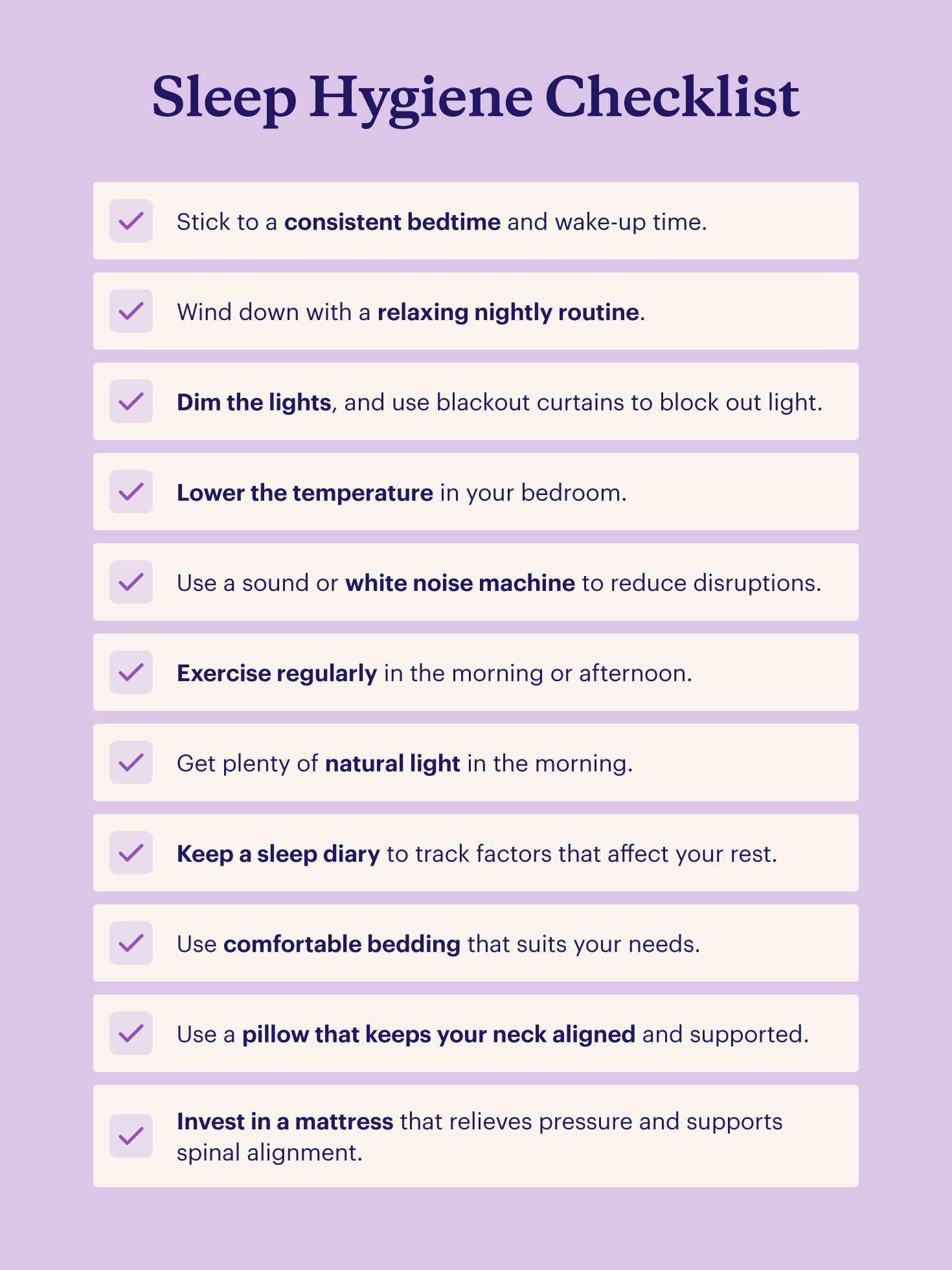
Following these sleep hygiene tips can help you fall asleep faster and stay asleep throughout the night.
1. Regulate Your Sleep Schedule
A consistent sleep schedule is one of the first ingredients for a good night’s sleep. Your body operates on the circadian rhythm, which is like an internal clock that tells your brain and body when it’s time for different activities. When you go to bed at the same time each night, it trains your body to fall asleep at that time. But if you have a different bedtime each night, it can be harder for your brain to get into that “go to bed” mode.6
Use our sleep calculator to set a consistent sleep schedule. Simply plug in your age range and your desired bedtime or wake-up time. The calculator will give you a recommended wake-up or bedtime based on the number of hours of sleep you should get each night, even accounting for the average 15 minutes it takes to fall asleep.
2. Wind Down Before Bed
A set sleep schedule isn’t enough on its own. You also need a healthy bedtime routine that will help your mind and body relax before bed. Good wind-down activities include reading a physical book, taking a warm bath, or doing some simple stretches or deep breathing exercises.2
It’s equally important to avoid things that could stimulate your mind and body at night:
- Avoid alcohol and caffeine within six hours of bedtime.1
- Exercise during the day, but not too close to bedtime.1
- Avoid blue light and electronic devices, and keep them out of the bedroom if possible.2
3. Transform Your Sleep Environment
Ideally, you should keep your bedroom cool, dark, and quiet to promote better sleep. As you get ready for bed, use dim lighting and consider setting the thermostat to 68 degrees Fahrenheit or lower. You may also want to use light-blocking curtains to block light from your bedroom window, or a white noise machine to cover up sounds from outside.2
A comfortable mattress, pillow, and bedding, as well as a supportive bed frame, can help you get the right level of support as you sleep. This makes it easier to fall asleep and stay asleep, since you won’t be tossing and turning as you try to get comfortable.
Replacing a worn or sagging mattress with a supportive, pressure relieving Purple mattress can go a long way in helping you get higher-quality sleep.
4. Make Healthy Lifestyle Choices
Your daytime activities — especially when it comes to diet and exercise — can also have a big influence on your sleep quality. A healthy lifestyle, in which you exercise regularly and eat a balanced diet with foods that support sleep, can actually make it easier to sleep well at night.
To promote good sleep hygiene, exercise in the morning or early afternoon. Try to mix aerobic and resistance training.8 Avoid high-fat and ultra-processed foods, and instead eat a mix of healthy food items that provide essential nutrients like magnesium, calcium, and vitamin D.9 Finally, try to get outside during the day, as exposure to natural light will help keep your body’s circadian rhythm on track.6
5. Keep a Sleep Diary
If you continue to have trouble sleeping, it may be helpful to keep a sleep diary. Tracking your sleep is a valuable way to look for patterns to help you identify what is disrupting your sleep, including whether you may be dealing with an underlying condition. Keeping a sleep diary can also give your doctors extra insights if you decide to seek medical help.
Common things to track in a sleep diary include:
- Your bedtime and wake up times
- Whether you woke up during the night
- If it took a long time to fall asleep
- What you ate for dinner (and what time)
- If you took any medications before bed
- The last time you had caffeine or alcohol
- If you exercised during the day and at what time
- Any other activities you did before bed (especially involving electronic devices)
Why Is Sleep Hygiene Important?
Sleep hygiene is one of the most important parts of your overall well-being. Consistently getting quality sleep can help improve your mood and cognitive abilities, strengthen your immune system, improve your metabolism, and even lower your risk for serious chronic conditions like heart disease. With good sleep, you’re better able to handle stress and stay focused and alert through the day.5
“Good sleep hygiene can regulate the body's circadian rhythm, improve cognitive function & mood, and support immune health and metabolic homeostasis.
Bad sleep hygiene is heavily associated with insomnia, anxiety, depression, cardiovascular risk and decreased work productivity.” — Dr. Michael Chichak, MEDvidi10
Unsurprisingly, poor sleep hygiene can make you still feel tired after sleeping, but that’s far from the only problem it can cause. All those benefits you get from good sleep hygiene disappear if you constantly struggle to get enough sleep. Anxiety, depression, mood changes, reduced physical and social activity, and a greater risk for chronic disease are all very real risks, so you should make sleep hygiene a priority.5
Support Better Sleep Hygiene With Purple
By making good sleep hygiene a consistent part of your daily routine, you can get into a rhythm that helps you get enough rest each night.
Don’t let a bad mattress ruin your sleep hygiene. A comfortable sleep environment can make or break your sleep.
With Purple, you have great options for everything you need for a comfortable setup that promotes good sleep hygiene — from mattresses and pillows to bed frames and bedding. A recent study from SleepScore Labs found that sleepers reported 2.5x improvement in comfort on a Purple mattress.*
*Disclaimer: Survey results from a SleepScore Labs study with subjects sleeping on a Purple Restore Collection mattress for 4 weeks compared to their original mattress.
Find a mattress and frame that fit your sleep style so you can get the rest you need.
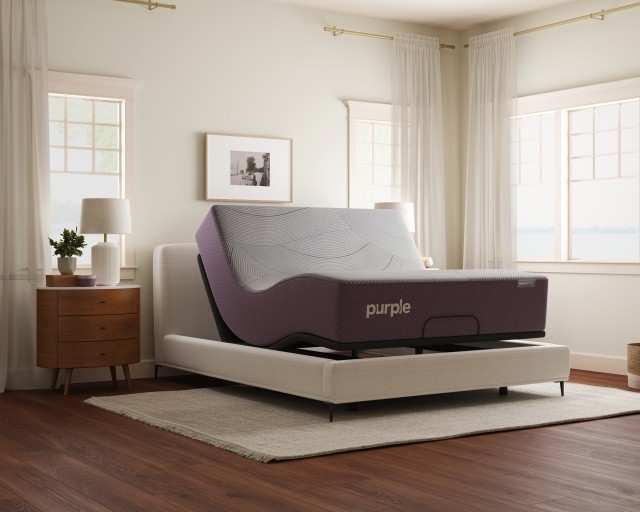
Elevate Your Bedroom
Get the best support for your mattress with a base designed with Purple products in mind.
FAQ
Good sleep hygiene involves consistently following healthy habits and practices that promote quality sleep. This includes having a consistent sleep schedule, avoiding screens and stimulants like alcohol or caffeine before bed, and creating a comfortable bedroom environment.2
Some simple tips for better sleep hygiene include:
- Following a consistent sleep schedule1
- Doing calming activities before bed like reading a book or taking a warm bath2
- Avoiding screens, alcohol, and caffeine before bedtime1
- Making healthy diet and exercise choices during the day8, 9
- Pairing a comfortable bed with a cool, dark, and quiet bedroom2
Make sleep hygiene recommendations part of your normal routine. It takes practice to follow sleep hygiene guidelines, but as you stick with it, they'll become second nature so you can consistently enjoy quality sleep each night.
More To Explore
Level up your sleep routine with our most-loved products.
-
Instant pressure reliefOn sale
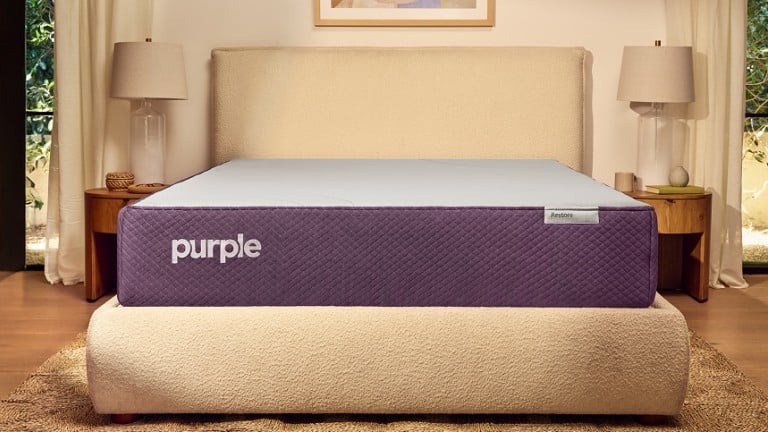
Restore® Hybrid Mattress
From Is dollars Is now dollarsShop Restore® Hybrid Mattress2" GelFlex Grid + coils for responsive support and increased breathability.
-
On sale
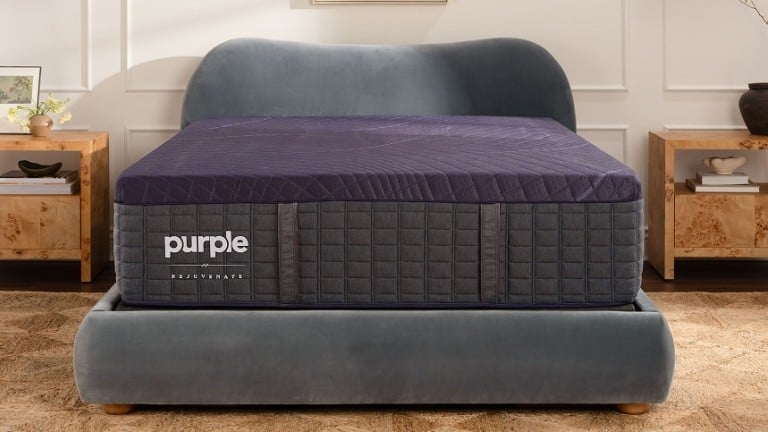
Rejuvenate™ Mattress
From Is dollars Is now dollarsShop Rejuvenate™ MattressDreamLayer® top with 2" GelFlex Grid for balanced comfort, support, and responsiveness.
-
Special offer

Purple Adjustable Base
From Is dollars Is now dollarsShop Purple Adjustable BaseSleep or sit up at your perfect incline
About the authors

Sydney brings more than five years of experience writing about a range of topics including health, lifestyle, and technology. They have a B.A. in Creative Writing and Literature from Lebanon Valley College. They’re a big fan of sharing dreams and discussing symbolism for fun. Sydney is always searching for tips to improve their sleep quality and hopes to help others get the best sleep possible with their writing.

Tyler Wright is a Senior Product Manager of mattresses. With over 10 years of experience in product development, he is dedicated to developing innovative products that enhance and improve lives. At Purple that means building products that help people get the best sleep ever.
Related Articles


-
 Restore Hybrid CollectionStep up with a hybrid construction for enhanced pressure relief, support + up to 4x more cooling.*
GelFlex Grid + comfort layers for enhanced pressure relief
Maximum cooling — up to 4X cooler2 than competitors
Coil System provides responsive support
-
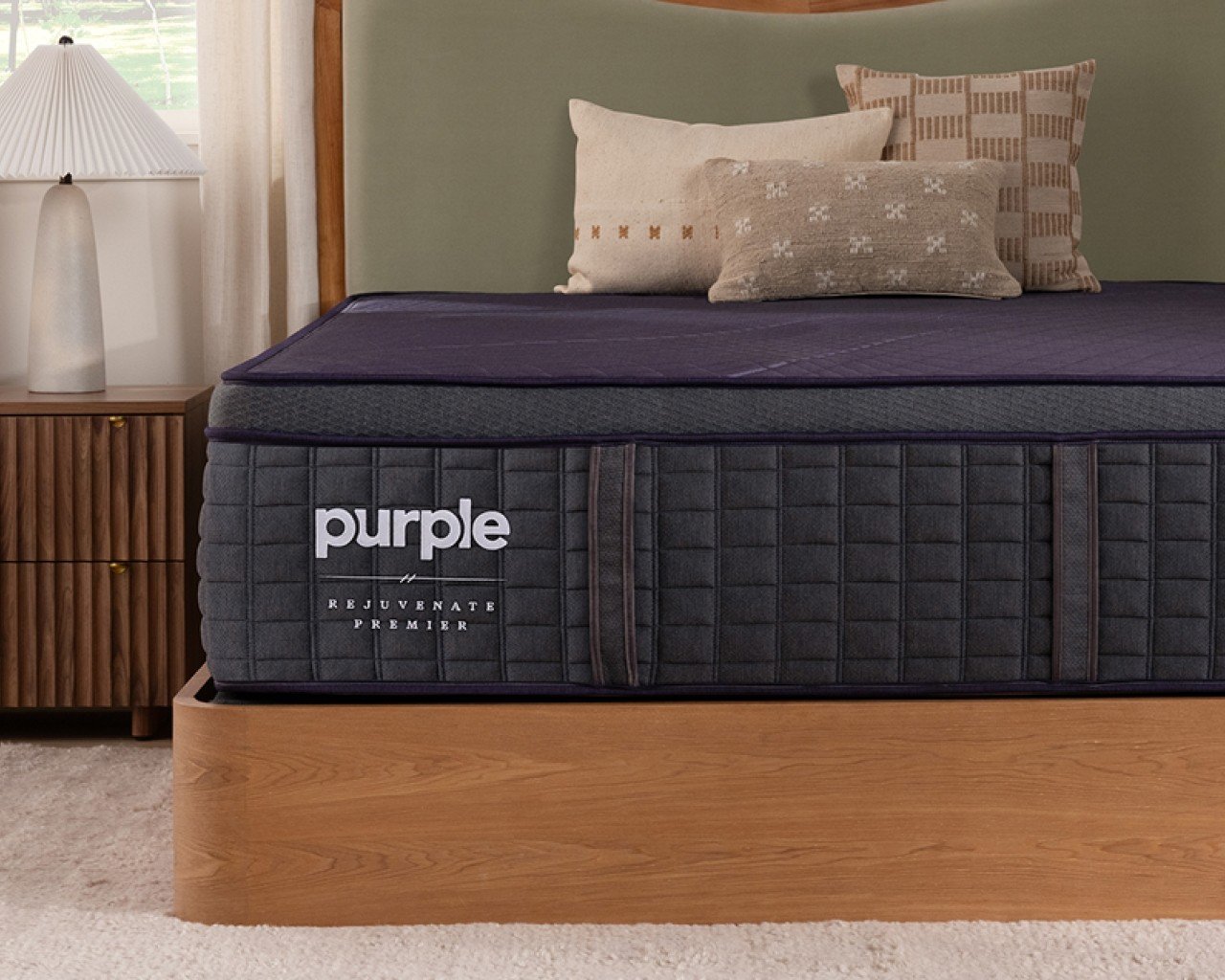 Rejuvenate Luxe CollectionQuilted Euro Top, enhanced comfort layers + hybrid construction offer maximum support.
All-new DreamLayer™ for soothing surface comfort
Layered Grid offers exceptional, full-body pressure relief
Adaptive Response Foam unlocks the Grid’s full comfort potential
Responsive coils maximize mattress cooling, longevity + stability
-
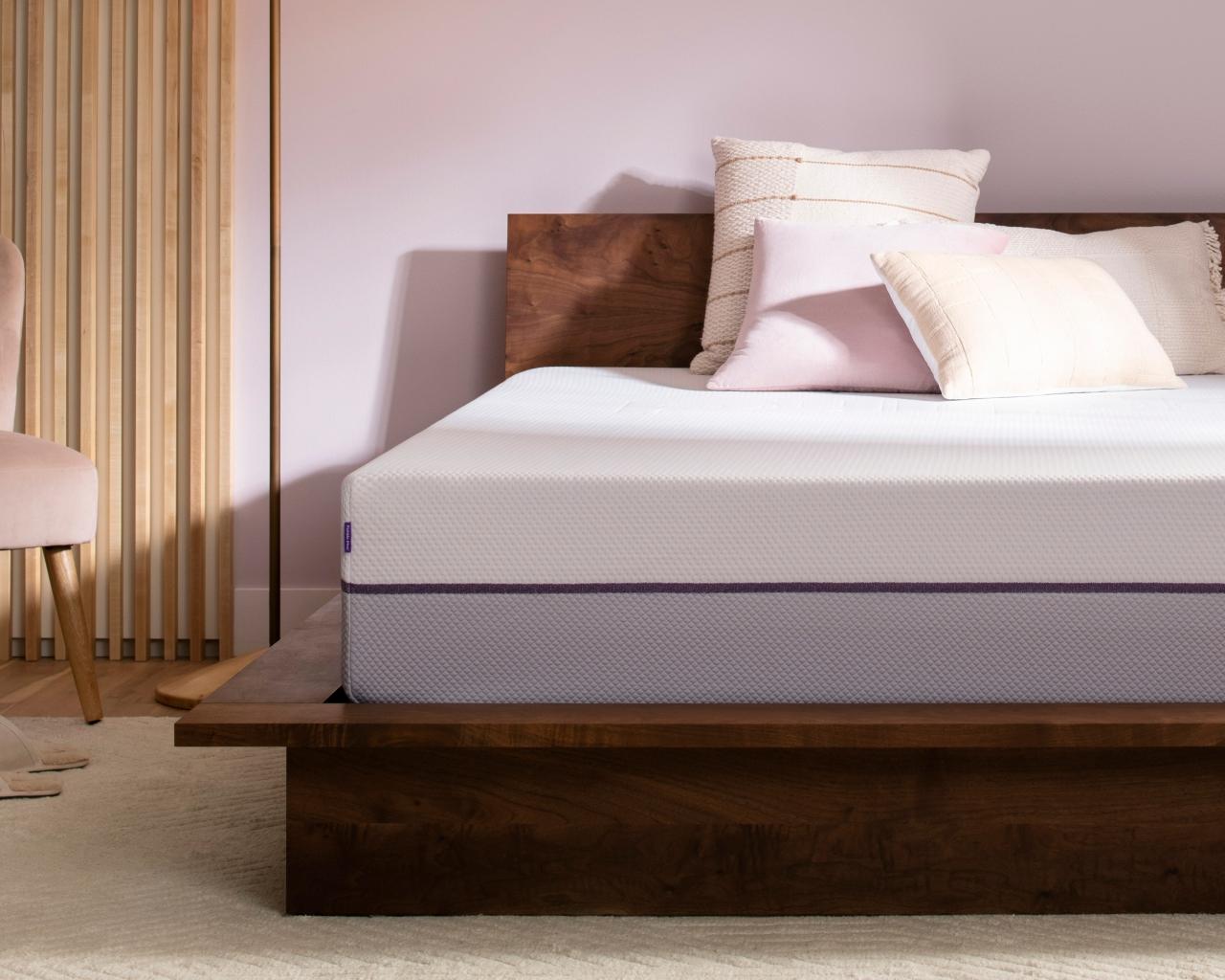 Purple Essential CollectionExperience the instantly adaptive GelFlex® Grid — at our best price.
Cradling comfort from the Purple GelFlex Grid
Easy, fast delivery


