How To Fall Asleep Fast: 12 Quick Methods To Get Back To Sleep + 13 Additional Tips To Make It Easier


What you can do right now to fall asleep faster
- Try 4-7-8 breathing by inhaling for 4 seconds, holding for 7 seconds, and exhaling for 8 seconds to calm your nervous system.
- Use progressive muscle relaxation (PMR) to ease tension by tensing then releasing the muscles throughout your body.
- Visualize a peaceful scene to distract your mind with an engaging yet relaxing mental exercise.
Wondering how to fall asleep fast? You're not alone. Whether you’re currently lying awake or you’re dreading how long you think it might take to fall asleep, most people have experienced these struggles. Beyond mere annoyance, difficulty falling asleep on a regular basis can affect your physical and mental health.
Fortunately, there are several strategies that can help you fall asleep easily. Tapping into scientific insights and everyday wisdom, we've compiled 26 ways to help you fall asleep faster and get a better night’s sleep.
Purchasing the best mattress for your unique preferences won’t solve all your problems, but lying down on a comfortable, supportive Purple mattress certainly makes going to bed more appealing.

Get Soothing Pressure Point Relief
The GelFlex Grid® cradles your body to relieve pressure points no matter what sleep position you prefer.
Keep reading for 11 tips to immediately address sleeplessness, or skip ahead for 15 habits and practices to improve your sleep hygiene and better support the quality of your rest.
Disclaimer: This article is not a substitute for medical advice. If sleep difficulties persist, please consult a healthcare professional.
1. Use a Mattress With the Right Support
Your mattress is the true foundation of your sleep quality. Sleeping on a mattress that has started to sag or is too firm or soft for your preferences can only hinder your efforts to fall asleep quickly.
A mattress is a haven for your body after a long day. Having the right mattress firmness and support isn’t a luxury but a necessity. A supportive mattress can help maintain spinal alignment and may reduce the likelihood of waking with stiffness or discomfort.
For side sleepers, softer mattresses can help relieve pressure points. Meanwhile, those who prefer lying on their back might lean towards a medium-firm mattress, capturing the balance between cushion and support.
Shop our collections specially designed for all sleep positions, preferences, and hurdles.
Comfort That Adapts To You
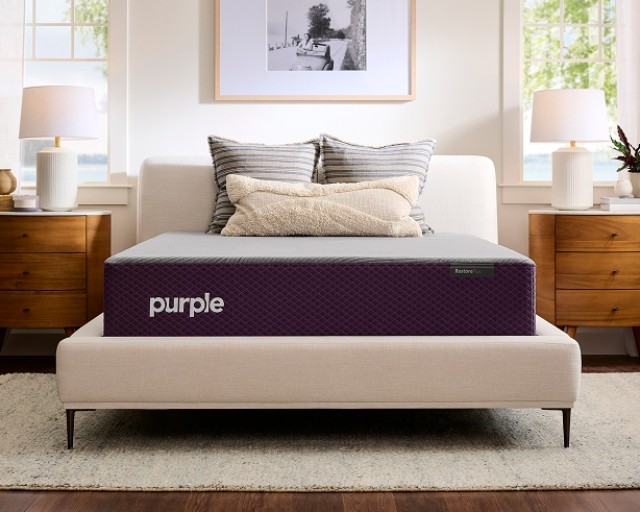
The GelFlex Grid® instantly adapts to your body as you lie down and shift positions, providing pressure relief and support wherever you need it most.
2. Practice Meditation
For anyone wondering how to fall asleep fast with anxiety, mindfulness and meditation can be useful tools. Meditation serves as an anchor for the mind, grounding you in the present and helping to calm racing thoughts that often keep us awake. It's not about emptying the mind but rather observing it. By doing so, you can find peace in the midst of the storm.
Mindfulness meditation, in particular, has shown promise for those who often find themselves tangled in webs of anxiety or stress. By focusing on your breath or the rise and fall of your chest, you can create a buffer between yourself and the overwhelming thoughts.
This gentle act of focusing and refocusing does wonders for the brain. In fact, research suggests that these meditative moments not only pacify restless minds but pave the way for quicker transitions to dreamland.1
3. Listen to Peaceful Music
For many, calming music acts as a lullaby, nudging them into the world of dreams, away from the buzz of the daily grind.
Noise can easily intrude on our sleep sanctuary, whether it’s a partner’s sneeze or that night-owl neighbor upstairs. Introducing some peaceful music into your bedtime routine can create a buffer to drown out those pesky, disruptive sounds.
Dr. Vanessa Hill describes her experience: “I need to quiet my mind to sleep, so I listen to river sounds every night. I find them really peaceful and it helps turn down the volume on my thoughts as I drift off.”2
Of course, everyone's sensory preferences vary. If melodies become more of a midnight dance party than a sleepy serenade, white noise might be up your alley. It offers a consistent sound palette, whether it's the strumming of a guitar, the pitter-patter of rain, or the steady hum of a fan.
4. Follow Guided Imagery
Our minds, so often cluttered with the hustle and bustle of daily life, seek solace in places of tranquility and calm. The age-old practice of guided imagery provides a mental escape hatch to these serene sanctuaries without ever needing to pack a bag or book a ticket.
Picture something like:
- A sun-dappled forest clearing, birds serenading from treetops, the gentle sway of leaves, and the distant murmur of a babbling brook.
- A secluded beach, where the ebb and flow of waves paint patterns on the sand, and a soft, salty breeze carries the scent of the ocean.
- A serene cabin in the mountains, an autumn breeze rustling through the changing leaves, the scent of woodsmoke rising from the fireplace, and a warm mug of a soothing beverage.
By guiding your thoughts towards these peaceful vistas and away from the day’s tension, you anchor yourself in the present, grounding anxieties and fostering relaxation.
5. Use the Military Method
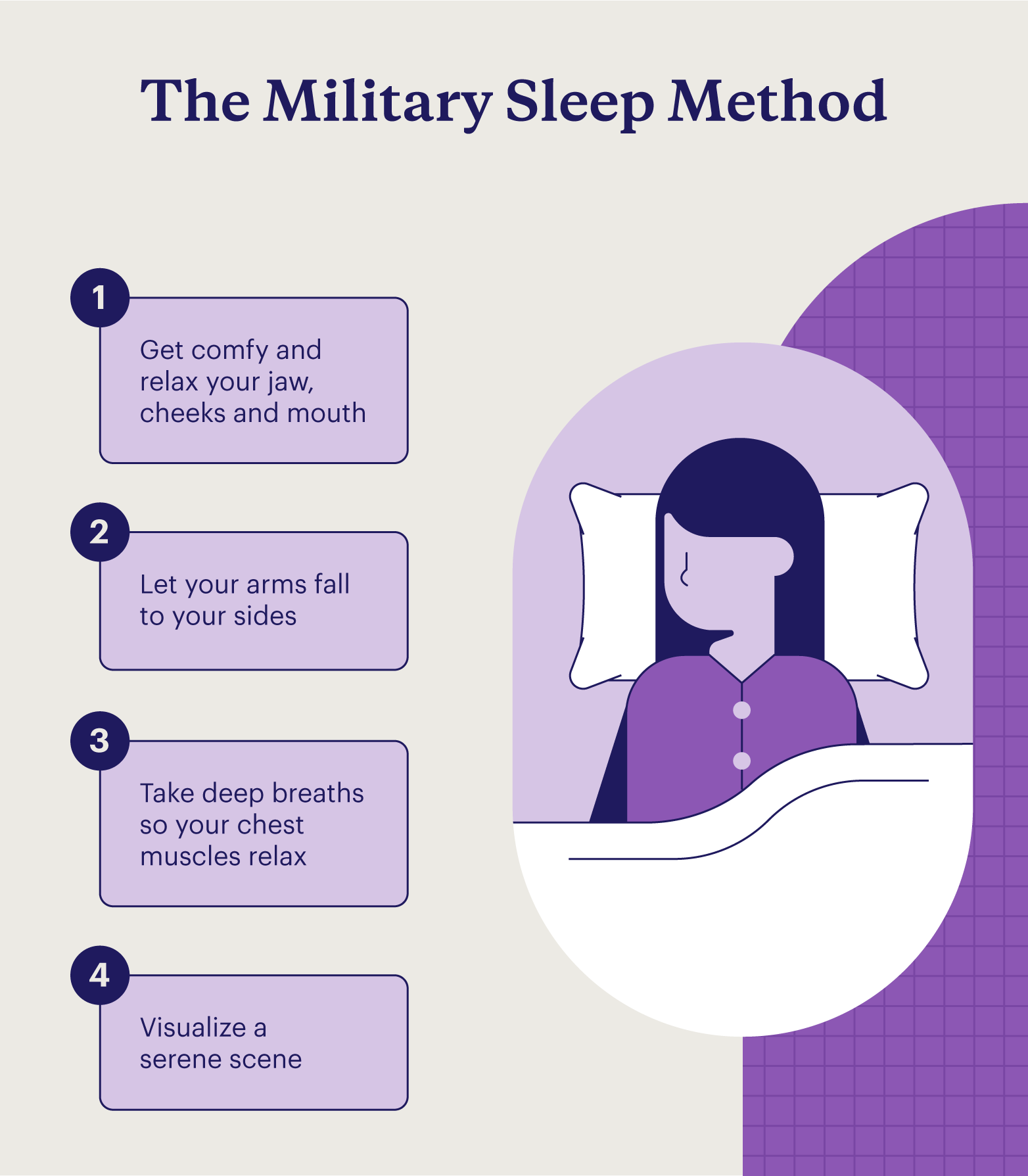
Sometimes, the most unexpected solutions come from necessity. Soldiers, often facing erratic schedules and less-than-ideal sleeping conditions, have developed an effective sleep technique over the years, aptly named the "military method." It may help some people fall asleep more quickly, even in challenging environments, though evidence is largely anecdotal.
Ready to give it a whirl?
- Get comfy, and focus on feeling every tension melt away from your jawline, cheeks, and mouth.
- Let your arms gently fall to your sides, starting from your shoulders.
- Take deep breaths so your chest muscles relax.
- Visualize a serene scene, such as a cozy fire or a private beach. If stressful thoughts creep in, acknowledge them and gently escort them out, returning to your tranquil scene.
- Not one for visualization? No worries. A simple repetitive phrase, like "It’s time to rest," can be just as effective.
For many, the military method has become a steadfast companion in their journey toward a good night’s sleep.
6. Try Progressive Muscle Relaxation
Sometimes, the key to soothing our restless thoughts lies in relaxing our tensed muscles. PMR is a method that capitalizes on this very connection, allowing you to take an active role in melting away the day's stresses and paving a smoother path to sleep.3
PMR is like a gentle guided tour through your body, where you methodically visit and relax each muscle group.
Here's how:
- Lie down in a comfortable position and close your eyes. Take some deep, grounding breaths.
- Tense your facial muscles, holding onto that tension for about 10 seconds. Then, release and feel the rush of relaxation flood in. Follow this with a few calming breaths.
- Move to your shoulders. Tense them for a brief 10-second spell, then let go, inviting relaxation. Breathe deeply and steadily.
- Continue this rhythmic dance of tension and release, gradually descending from your torso to your legs and, finally, your feet.
For many, PMR is a treasured tool in their sleep toolkit, an intimate ritual that signals to the body, "It's time to wind down." Remember, this is about relaxation, so if any area feels sore or uncomfortable, feel free to skip it.
7. Follow the 4-7-8 Breathing Method
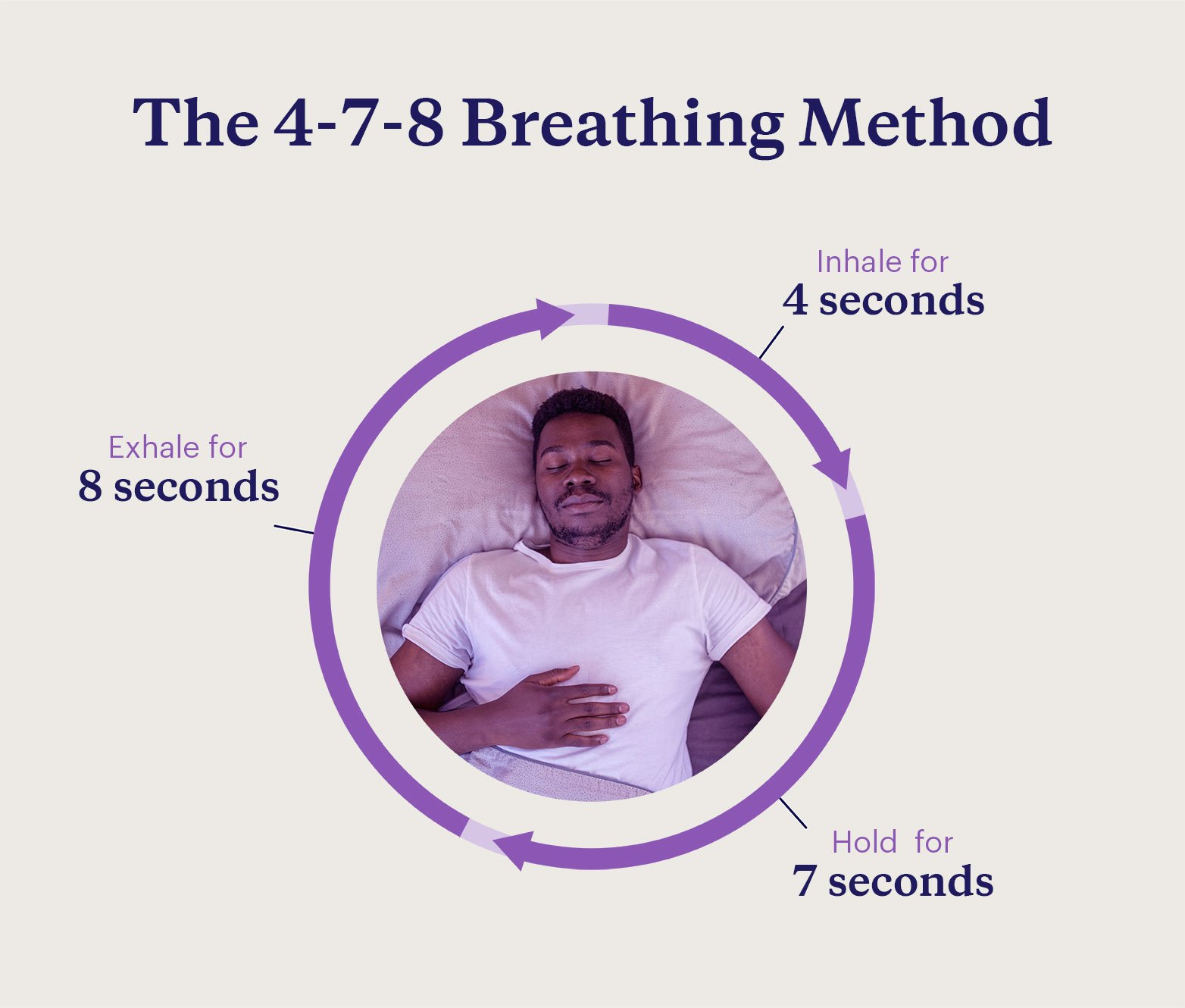
In a world that's often go, go, go, our minds race faster than we'd like, especially when it's time to wind down. But what if life had a slow-mo button? Enter the 4-7-8 breathing method, a rhythm of inhales and exhales that's like a lullaby for your overworked mind.
Here’s the breakdown:
- Inhale: With your mouth gently closed, take a deep, silent breath in through your nose, counting to four as you do.
- Hold: Keep that breath with you, letting it fill every nook and cranny of your lungs as you count to seven.
- Exhale: Now, part your lips slightly and release that breath slowly, making a whooshing sound as you count to eight.
By following this pattern, you're doing more than just breathing — you may be sending a signal to your nervous system to take a break, calm down, and prepare for rest — which can help reduce stress or anxiety before bedtime.
8. Tell Yourself To Stay Awake
By resisting sleep, you just might invite it. Try telling yourself that you just need to stay awake a little longer instead of focusing on the frustration of being unable to fall asleep.
This tactic may seem counterintuitive, but refocusing your attention could actually help you get to sleep.
Changing your goal from trying to fall asleep to keeping yourself awake is a form of reverse psychology. You can playfully trick your brain, reducing the stress and pressure of forcing yourself to rest and instead allowing your body and mind to relax naturally.
9. Focus on a Mental Task
Around 50% of American adults report that racing thoughts keep them awake. You can try redirecting your mental energy to a less-stimulating task or exercise to soothe your mind and allow yourself to relax.
The key to this practice is to choose activities that hold your attention without triggering an emotional response. What this looks like will vary person to person, but here are some ideas:
- Picture how you might rearrange the furniture in a specific room
- Envision a landscape with specific features like landforms, plant life, and weather
- Plan a three-course meal, considering how each dish complements the others
- Imagine how different plays for your favorite sport might play out
These exercises can be as creative or mundane as you’d like. Aim for engaging, not stimulating, ideas that can distract you from the task of falling asleep.
10. Write Down Your Thoughts
When you can’t sleep, writing down some of the thoughts in your head can help you relax. It’s best to use a physical notebook rather than your phone to avoid blue light exposure. Consider jotting down your objectives for the next day or any concerns you may have.
Whether you’re worried about something specific or just want to focus your energy on a productive task, the act of journaling can help clear your mind, making it easier to fall asleep faster.
11. Avoid Checking the Clock
As the night goes on, checking the time can often make it harder to fall asleep. Going down the clock-watching rabbit hole may make you focus on the fact that you’re having trouble sleeping, causing more stress that keeps you up.
12. Get Up and Move
If you’ve been lying awake for a while, a change of scenery often brings clarity, setting the stage for sleep. After 20-30 minutes of sleeplessness, it may be helpful to get out of bed to reset. You can then try:
- Taking a short walk around your home
- Eating a light snack
- Drinking a glass of water
- Lying on the floor in a different room
- Reading, journaling, or doing a similar low-energy activity
When you’re ready, go back to bed to settle in. Coming back to a mattress that cushions your pressure points, provides ample support, and keeps you cool. Every Purple mattress features the GelFlex Grid® (also known as a Gel Matrix™) to meet all these criteria, ensuring you can get the best sleep possible night after night.
Because everyone is different, these methods of helping yourself go to sleep quickly may be more or less effective for you.
If you’re not sure which of these tips you should try first or you’re looking for the fastest way to fall asleep, consider the following options based on how quickly they may prepare you for rest:
1 minute | 5 minute | 10 minute | |
Objective | Quickly quiet the mind and body with a narrow focus or psychological shift. | Physically calm the nervous system and distract from racing thoughts. | Create a peaceful transition and sensory environment conducive to sleep. |
Method #1 | Try the military method. Release tension and deter thoughts to relax. | Use the 4-7-8 breathing method. Inhale for 4, hold for 7, exhale for 8, repeat. | Try guided imagery. Visualize a peaceful scene to engage your senses. |
Method #2 | Tell yourself to stay awake. Encourage rest with reverse psychology. | Use progressive muscle relaxation (PMR) Tense then relax your muscles. | Listen to calming music. Drown out noise and quiet your mind. |
13 Additional Tips To Get To Sleep Faster
Healthy habits and the right sleep environment make up the foundation of quick, easy, and restorative sleep. Set yourself up for long-term success and make it easier to wake up well-rested by following these tips to improve your sleep hygiene.
13. Keep a Consistent Sleep Schedule
Ever felt like your internal clock has missed a beat or two? Your body thrives on consistency, especially regarding sleep: some research suggests consistency may be more important than sleep duration for overall health.4 When you veer from a steady sleep schedule, it can leave you feeling foggy for the rest of the day.
By heading to bed at the same time every night and waking up at the same time every morning, you help anchor your internal clock. The result? Falling asleep becomes more consistent over time, and mornings feel a bit easier to manage.
Not sure when you should go to bed or wake up? Use our sleep calculator to find out how much sleep is recommended for your age group and what your ideal sleep schedule might look like. Trust us, your body and mind will thank you for it.
14. Start Your Bedtime Routine Early
The earlier you start your routine, the more likely you’ll be able to relax and wind down when you want to sleep. For example, if you wash your face at night, do it well before bed to avoid waking yourself up with a cold splash.
15. Dim the Lights
Low house lights in the hours before bedtime can help with the natural production of melatonin, a hormone that helps you feel sleepy. Soft, warm light can help you fall asleep, but when it’s time to go to bed, you should keep your bedroom dark. Blackout curtains can be especially helpful for those who live in urban areas.
Make sure you get plenty of light exposure in the morning to keep your circadian rhythms aligned.
16. Lower Your Bedroom Temperature
Lower temperatures mimic the body's natural sleep mode, prompting it to wind down. If your bedroom is too warm, you may be facing night sweats and other discomfort.
17. Minimize Nighttime Screen Use
Research shows that while blue light can suppress melatonin, its impact on sleep onset is often small — usually just a few minutes difference in controlled lab settings.4 Similarly, suspenseful shows or video games may raise stress and heart rate before bed, but most studies still find minimal differences in how long it takes people to fall asleep.
“Both screen and content type don’t really matter that much… What does matter is creating a distraction-free environment for sleep: no texts, notifications, and anything else that will suck your brain back into your screen after you’ve gotten into bed.”2 — Dr. Vanessa Hill
Instead of focusing only on blue light filters or avoiding a particular genre of show, it may be more effective to minimize disruptions and try to use screens in ways that let you disengage easily before sleep.
18. Read a Book Before Bed
Trade the blue light on your phone for a book light. Reading and other calm activities can help you wind down and settle in.
19. Take a Warm Bath or Shower
Warm water soothes muscles, priming the body for relaxation. Be sure to cool off before climbing in bed to avoid overheating.
20. Try Light Yoga or Stretching
Yoga for sleep sends a message to your body, ensuring your muscles are ready for rest. The goal is to relax and reduce tension. If any stretches cause pain or discomfort, stop them immediately.
21. Try Calming Essential Oils
Lavender or eucalyptus may help some people relax before bed. Be careful if you have allergies or co-sleep with pets; essential oils may cause irritation or be hazardous to animals when inhaled.
22. Reduce and Manage Daily Stress
A tranquil mind is a well-rested one. By minimizing daily stressors and adopting healthy coping skills, you pave a smoother path to slumber. This practice is especially important for anyone who struggles with racing or anxious thoughts.
23. Watch What You Eat
Your dietary choices influence digestion, metabolism, and even sleep onset. Snacking too close to bedtime or eating the wrong foods can make it harder to fall or stay asleep, while other foods can help you sleep better.
Here are a few foods to keep an eye out for:
- Rich or spicy foods: These may trigger heartburn or acid reflux, disrupting sleep when all you crave is serenity.
- Coffee or tea: Your favorite go-to pick-me-up could keep you awake, even if you no longer feel the buzz. Try cutting off caffeine around nine hours before you tuck in.5
- Alcohol and nicotine: Even if they may seem relaxing, both are associated with more fragmented sleep and poorer sleep quality.
24. Exercise During the Day
Wearing yourself out during the day can help you have a restful sleep at night. Try to avoid exercising too close to when you go to sleep, as the endorphins could keep you awake.
25. Preserve Your Bedroom for Rest
Keeping work and play out of the bedroom signals to the brain that this space is solely for rest. Reading or watching TV in bed might help you wind down, but try to avoid lounging or working in the same space you sleep.
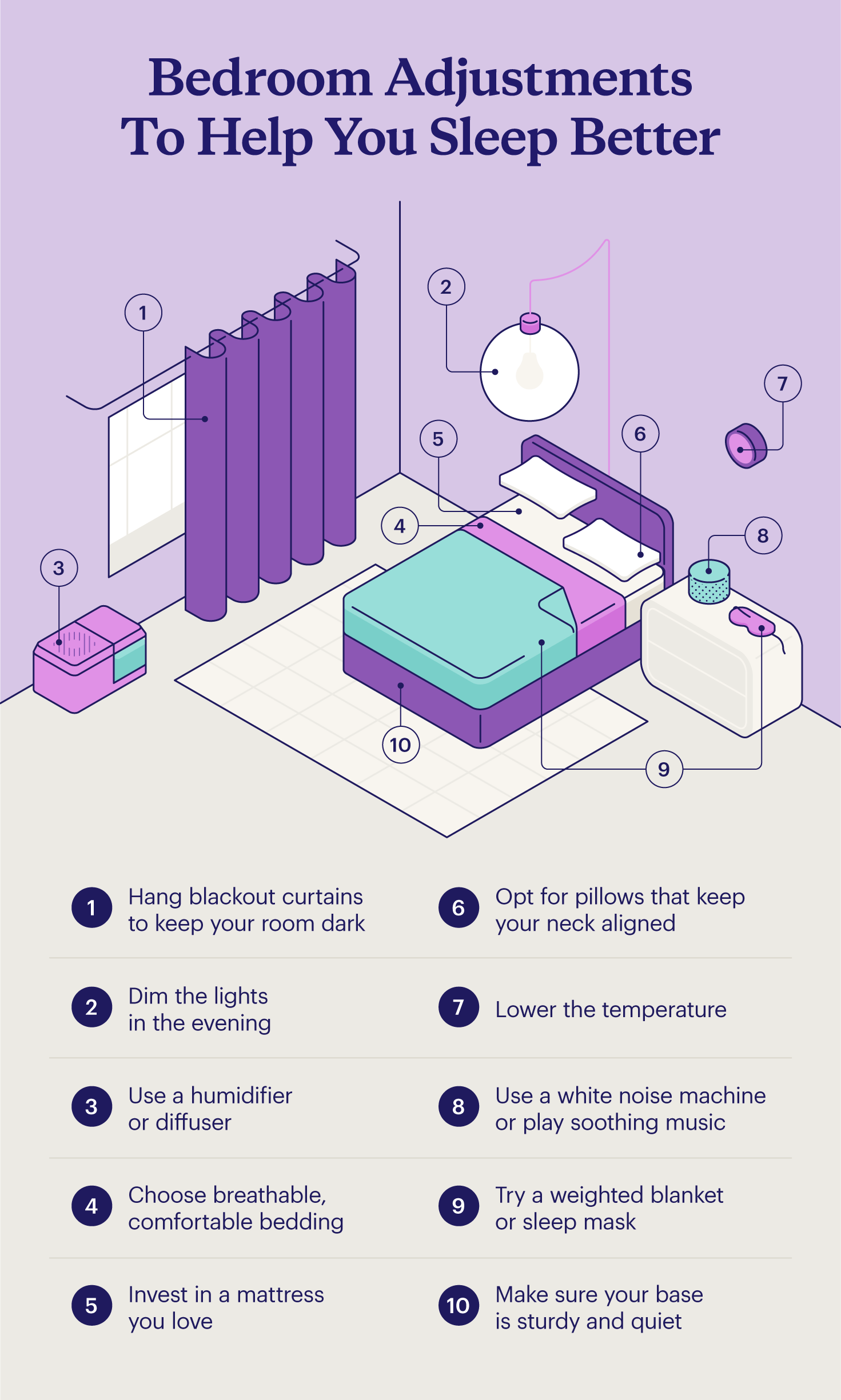
How To Improve Your Bedroom To Help You Fall Asleep Faster
Creating a true sleep sanctuary can be the difference between tossing and turning and drifting off instantly. Here is how to curate your setup to ensure your body feels supported and ready for rest.
- Invest in a good mattress: Your bed is literally the foundation of your rest. Make sure you choose a mattress that cushions pressure points while supporting your spine. Purple mattresses like the Restore® Hybrid feature the GelFlex Grid® for the ultimate combination of soothing pressure relief, temperature balancing, and full-body support.
- Choose comfortable pillows: Your pillow should bridge the gap between your head and shoulders to keep your neck neutral. Side sleepers generally need a thicker loft to fill that space, while back and stomach sleepers often sleep better with a thinner, flatter profile.
- Opt for the right bedding: Temperature regulation is critical for falling asleep fast. Look for breathable bedding like Purple’s SoftStretch® Sheets that wick away moisture and allow airflow so you don’t wake up overheated.
- Use a supportive base: A squeaky or unsupportive frame can ruin a mattress. Choose a bed base like the Purple Upholstered Bed Frame that provides a quiet, solid foundation.
- Consider sleep accessories: A weighted blanket can provide deep pressure stimulation to help reduce anxiety, while an eye mask can ensure total darkness even if streetlights peek through your curtains.
- Try soothing devices: If silence is too deafening or your environment is noisy, a white noise machine can create a consistent soundscape that masks disturbances. Using a humidifier in your bedroom is an excellent way to keep your airways moist and comfortable during dry months.
Make It Easier To Fall Asleep Fast With Purple
You've explored routines, habits, and environments, but don’t forget the foundation of your sleep — your mattress.
A great day starts the night before, and having a mattress tailored to your needs is like having a trusted companion by your side, supporting you through each night and helping you wake revitalized for the day ahead.
As you wonder how to fall asleep more quickly, make sure your bedroom is fully equipped to provide the highest sleep quality possible.
Ready for a healthier sleep routine? Start by selecting the perfect mattress.

Designed for Soothing Relief
The GelFlex Grid® in every Purple mattress instantly adapts to your body for uninterrupted sleep.
FAQ

On average, it takes adults around 10-20 minutes to fall asleep.6 The time that it takes for you to fall asleep is known as sleep latency. Note that this period doesn’t include pre-bedtime things like brushing your teeth, showering, or even winding down with a book. Rather, this period starts from the time you lay your head on your pillow and try to fall asleep.
If you regularly take more than 20 minutes to go to sleep, this may indicate a risk of insomnia or another sleep disorder. There are different factors that may be delaying your sleep latency and affecting your sleep-wake cycles, such as your diet, level of physical activity, or stress levels. If you experience ongoing sleep difficulties, consult a healthcare provider.
If you wake up in the middle of the night, there are a few things you can try to give yourself the highest chances of falling back to sleep:
- Don’t check the time: Staring at the clock can trigger anxiety if you start calculating how much time you have left to rest. Turn the clock away to keep your stress levels low.
- Use the 20-minute rule: If you’ve been tossing and turning for about 20 minutes, get out of bed. Go to a different room and do a quiet, low-light activity until you feel sleepy again.
- Try the 4-7-8 breathing method: Calm your nervous system by inhaling through your nose for 4 seconds, holding for 7, and exhaling through your mouth for 8. This rhythm can help slow your heart rate.
- Practice progressive muscle relaxation: Release physical tension by squeezing specific muscle groups (like your toes or fists) for 10 seconds and then releasing them, working your way up your body.
- Play a mental game: Distract your brain from racing thoughts with a mundane task, like listing states alphabetically or visualizing walking through your childhood home in detail.
- Use reverse psychology: Trying to force sleep often leads to frustration. Instead, tell yourself you need to stay awake; this technique, known as paradoxical intention, can lower anxiety and allow sleep to come more naturally.
If these methods don’t work or you regularly experience difficulty falling back to sleep, you should consult a medical professional.
Research shows that adults require 7-9 hours of sleep each night to function optimally.7 It's not only about the number of hours spent sleeping, but the quality of sleep achieved within those hours. This means spending sufficient time in deep and REM sleep (which make up core sleep) during the night.
Insufficient sleep has been shown by many studies to negatively impact physical and mental health, increasing your risk of stroke, heart attack, and diabetes.8,9,10
Navigating the path to restful sleep with ADHD can feel like a maze without a map. People with ADHD often have a tendency toward restlessness, racing thoughts, or overstimulation, which can make winding down difficult. Strategies that may help include:
- Create a consistent sleep schedule. By going to bed and waking up at the same time daily, you help regulate your body's internal clock.
- Minimizing stimulants like caffeine and screen exposure in the evenings can make a difference.
- Establish a calming pre-sleep routine. This might include activities such as reading, light stretching, or listening to soothing music.
By creating an environment and consistent routine that caters to relaxation, they may help reduce sleep latency and improve overall sleep quality.
To give yourself the best chances of falling asleep quickly, make sure your bedroom is comfortable and conducive to sleep. That typically means making your space cool, dark, and quiet.
You can try:
- Setting your thermostat to a lower temperature — often between 60 and 68°F (15-20°C) — to lower your core body temperature.
- Using blackout curtains or an eye mask to block out light that suppresses melatonin production.
- Keeping your room free from disruptive noise with a white noise machine if necessary.
- Strictly reserving your bed for sleep to strengthen the psychological association between your mattress and rest.
More To Explore
Level up your sleep routine with our most-loved products.
-
Instant pressure reliefOn sale
Restore® Hybrid Mattress
From Is dollars Is now dollarsShop Restore® Hybrid MattressBalanced support with 2" GelFlex Grid's instant relief + responsive coils.
-
Best sellerOn sale

Purple Harmony™ Pillow
From Is dollars Is now dollarsShop Purple Harmony™ PillowInstantly responsive + doesn’t fall flat
-
Special offer

Purple Adjustable Base
From Is dollars Is now dollarsShop Purple Adjustable BaseSleep or sit up at your perfect incline
About the authors

Cecilia brings over five years of writing experience primarily centered around lifestyle and health topics. She has a Bachelor’s degree in Media and Journalism from the University of South Dakota. She’s both an advocate for sleep and a night owl at heart.

Dr. Vanessa Hill, PhD is a sleep scientist and public educator whose research explores bedtime procrastination and the impact of technology on sleep. Published in leading journals and featured in major media, her research focuses on developing practical, behavior-based strategies to improve sleep and help people around the world rest better.